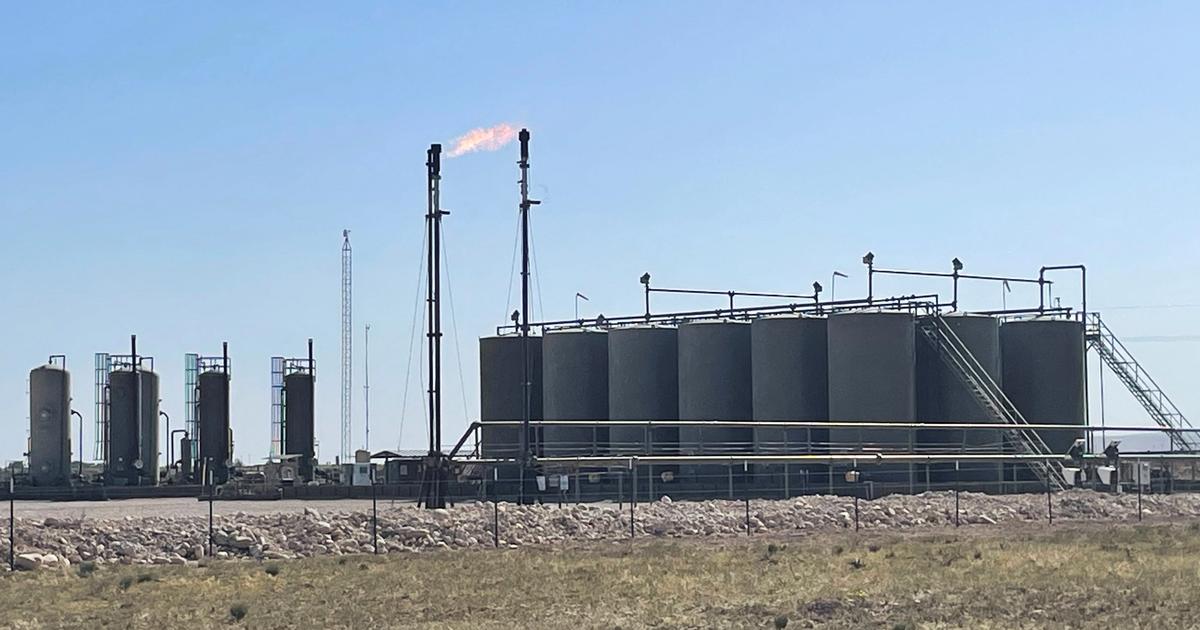
Photo via Semafor

Climate finance needs an overhaul

Read the original at Semafor ↗
Cite

McDonnell, T. (2026, September 23). Climate finance needs an overhaul. Semafor. https://www.semafor.com/article/09/23/2026/climate-finance-needs-an-overhaul

Dated when The Aporia collected the article, usually within hours of publication. Check the original for its exact date and byline.

Semafor · collected 2026-09-23 · by Tim McDonnell

Quick Summary

Tim’s view highlights that despite an increase in climate finance for clean technology in emerging economies—nearly $400 billion in 2025, according to the Climate Policy Initiative—there remains a significant gap between financial commitments and achieving lower poverty and emissions. Tariye Gbadegesin, CEO of Climate Investment Funds, emphasizes the need for better coordination with finance ministries rather than energy or environmental officials to ensure that investments lead to tangible outcomes. Jonathan Berman from the Shell Foundation stresses the importance of focusing on consumer budget constraints and driving down the cost of clean technology through financial innovation and engineering improvements.
Written by AI on 2026-09-23, from this article's own text only (the story summary below draws on all the coverage).

AI analysis

Story summary

Tim McDonnell argues that despite an increase in green tech funding—nearly $400 billion in 2025, double the amount from five years ago—developing countries still face challenges in translating this influx into cheaper and cleaner energy systems. At the COP summit in Azerbaijan, countries agreed to aim for $1.3 trillion annually by 2035, but there's growing optimism about clean tech due to its reduced costs and lower risk compared to previous years. The real challenge lies not just in securing more funding but ensuring it effectively reduces poverty and emissions. According to Tariye Gbadegesin, CEO of Climate Investment Funds, a World Bank-backed organization, development banks need to be proactive about helping developing countries improve their energy market regulations rather than merely financing individual clean tech projects.

Written for “Climate Finance Overhaul” on 2026-11-01, grounded in this article and the 0 other(s) covering the same event.

Story

📰 Climate Finance Overhaul
Environment · 1 article(s) covering the same event.

Compared with similar articles

This article reads unscored and hedges 0% of its claims. Each row says how that neighbour differs.
Toronto Star
⚖️ Leans strongly left Hedges 1 of 39 claims Outlet record 64/100
“The articles cover related topics around climate finance and discussions at Climate Week but do not describe the same specific incident or occurrence.”
South China Morning Post
Hedges 1 of 7 claims Outlet record 63/100
“The articles discuss different aspects of climate finance and policy without referring to the same specific incident or time.”
The Guardian
⚖️ Leans strongly left Hedges 3 of 27 claims Outlet record 66/100
“The articles discuss different aspects of climate issues without referring to the same specific event or occurrence.”
The Guardian
⚖️ Leans strongly left Hedges 0 of 31 claims Outlet record 66/100
“The articles discuss different topics within the broader context of climate change: one is an open letter advocating for solar power and addressing multiple crises, while the other discusses financial aspects of clean tech investment.”
The Independent
⚖️ Leans strongly left Hedges 1 of 41 claims Outlet record 59/100
“The articles discuss different aspects of climate issues; Article A covers leaders' discussions on various environmental concerns during a gathering, while Article B focuses specifically on climate finance needs.”
The Sydney Morning Herald
⚖️ Leans left Hedges 9 of 99 claims Outlet record 61/100
“The articles discuss different aspects of climate finance and policy without clearly referring to the same specific incident.”
Toronto Star
⚖️ Leans left Hedges 4 of 38 claims Outlet record 64/100
“The articles discuss different aspects of climate finance and policy without describing the same specific incident.”
How this article was measured signals, leaning charts, publisher record, byline, topics and claims

Signals How these are calculated →

Claims extracted
15
sentences that state something as happening or true
Uncertain
0%
0 of 15 hedged ("reportedly", "may", "according to")
Leaning
withheld
no quote in the article backed the model's score
Publisher signals
60/100
Semafor's corrections and hedging, across everything collected from it. Not a measure of accuracy.
Outlets on this story
1
Environment
Same framing elsewhere
1
articles that frame the event the way this one does
Analyzed 2026-09-23 · how these are computed

How this is being covered How these are calculated →

Article leaning vs. publisher reliability
Source leaning vs. consistency

Publisher

Semafor · 1393 article(s) · 1 correction(s) detected
Running correction rate · 1 correction(s)

Who wrote this

Tim McDonnell
22 article(s) here · 1 carrying a prediction
🔮 US President Donald Trump’s apparent handout to Big Oil this week is really more of a favor for small producers, and may actually hand more regulatory sway to Europe.
2026-10-29 · assertive framing · Trump's methane rollback could backfire
🔮 The bill could lead to a boost in household income, a White House study forecast, and Columbia University researchers concluded it would meaningfully accelerate the country’s electrification.
2026-10-29 · assertive framing · Democrats divided on timing for permitting reform
🔮 The days in which Moscow will be able to leverage its oil and gas to squeeze concessions from the West are rapidly shrinking.
2026-10-27 · assertive framing · Kyiv misses chances for upper hand in energy war
🔮 Anthropic warned potential investors in its landmark public offering that it expects its already-high energy costs to get higher, and that delays in securing access could slow down the AI buildout.
🔮 High fuel prices could be a decisive disadvantage for US President Donald Trump in the looming midterm elections.
🔮 If the Fed chooses to raise interest rates to tamp today’s inflation down, capital-intensive renewables will suffer.
2026-10-15 · assertive framing · Fossilflation is a permanent risk to the US
🔮 On Friday, Trump announced the US would waive sanctions on Russian diesel exports until the spring and permit it to release 300,000 metric tons of diesel into the global market, before announcing an energy ceasefire between Moscow and Kyiv.
2026-10-13 · assertive framing · Trump’s Russian energy strategy could backfire
🔮 This year, however, an exceptionally strong and possibly even record-breaking El Niño weather pattern — driven by warm ocean surface temperatures in the Pacific — is expected to make for a warm and wet winter in Europe.
2026-10-06 · mixed framing · El Niño comes to Ukraine’s aid
🔮 NextEra could be back in the throne soon, however, if US regulators approve its proposed $67 billion merger with Dominion.
🔮 There will still be plenty of losers among data-center financiers, he said.
Also by Tim McDonnell
Nothing else under this byline is closely related to this article, so these are simply their most recent.
All 22 articles by Tim McDonnell →

Topics

Azerbaijan COP Climate Investment Funds Climate Week the Climate Policy Initiative

Subjects

Azerbaijan GPE · 1× Climate Investment Funds ORG · 1× Gbadegesin PERSON · 1× Jonathan Berman PERSON · 1× Semafor ORG · 1× Tariye Gbadegesin PERSON · 1× Tim PERSON · 1× World Bank ORG · 1× the Climate Policy Initiative ORG · 1× the Shell Foundation ORG · 1×

Narrative

Development banks shouldn’t just dump cash into individual clean tech projects, she said, but rather be proactive about helping developing countries fix their energy market regulations so they become more attractive to private investors, and so that the energy system as a whole, from generation to grids to end users, functions better.
framing: assertive · carried by 1 article(s) · first seen 2026-09-23
🔮 “People assume that if you use these billions of dollars and build these clean energy systems, that the demand will just come.
2026-09-23 · Semafor
Climate finance needs an overhaul · assertive framing

Claims (15 extracted, 0 hedged)

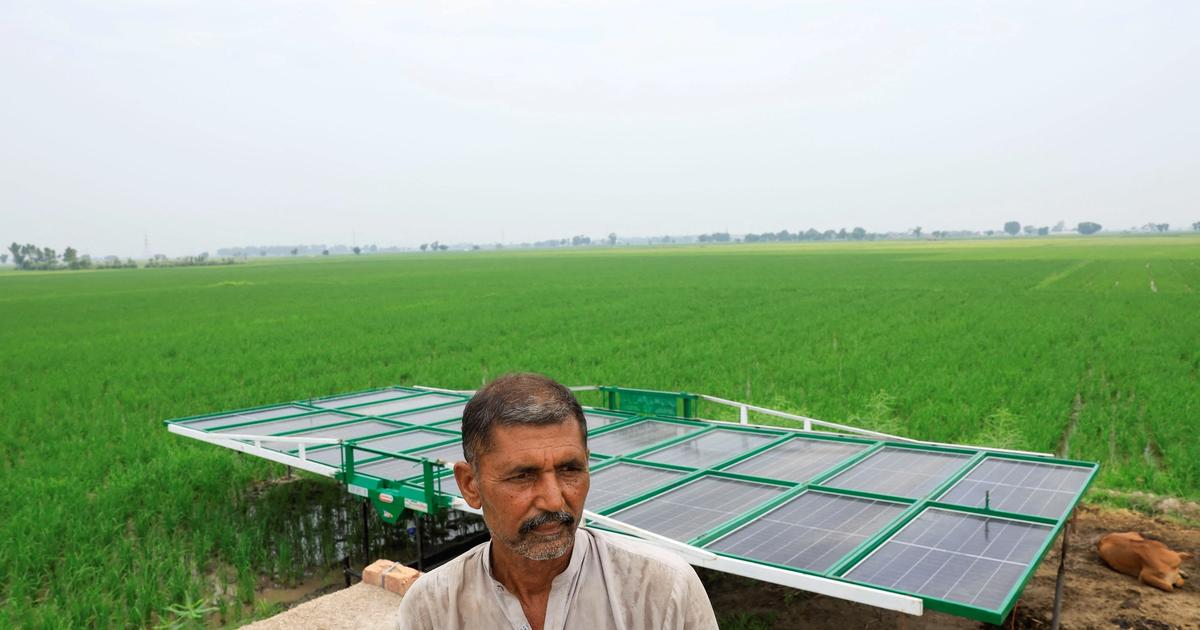
Tim’s view For developing countries, more green tech capital doesn’t always translate to a cheaper and cleaner energy system. asserted
capital → develop → system
It’s not enough — countries agreed at the COP summit in Azerbaijan to hit $1.3 trillion annually by 2035 — but I remember coming to Climate Week a few years ago and hearing a lot more anxiety about this subject than I’ve heard this year. asserted
I → ’ → subject
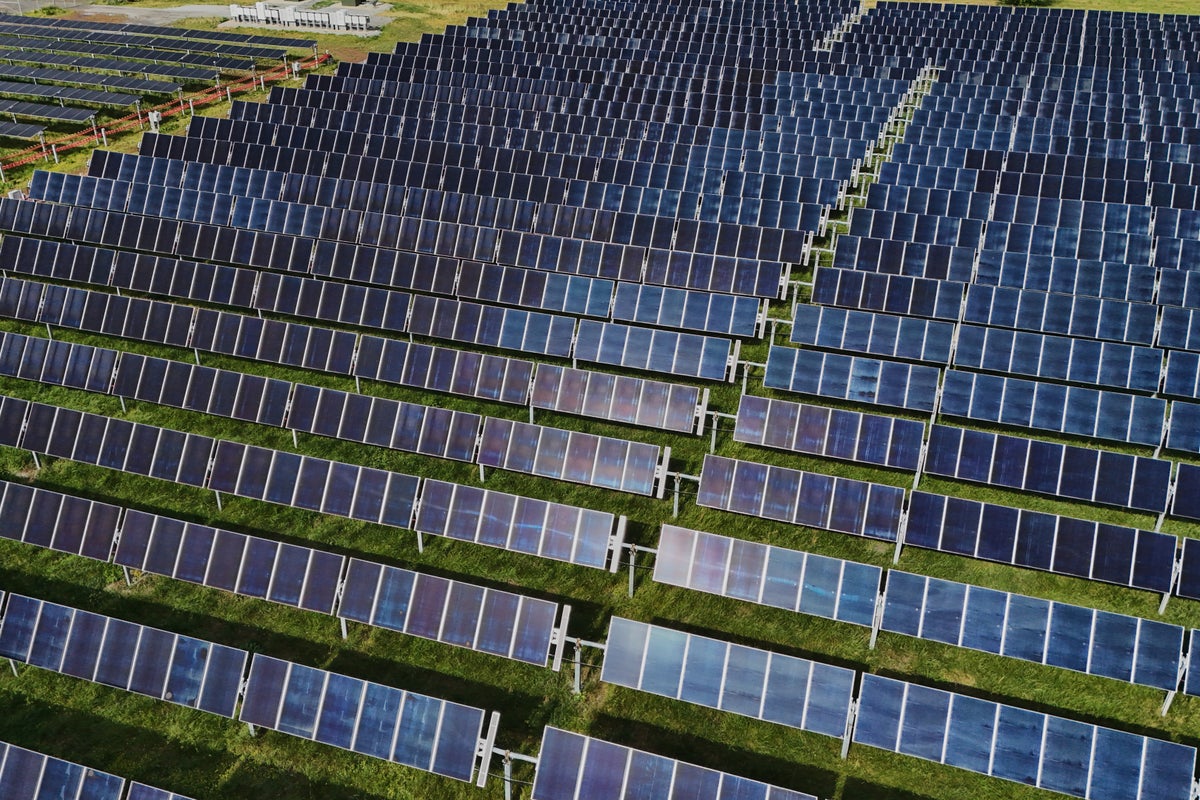
One reason is that clean tech is so much cheaper that there’s more bang for the buck. asserted
tech → ’ → buck
Evidence is also piling up that these investments are much less risky than many investors feared: A recent study of lending from development banks to private enterprises in emerging economies since 1994 found an average default rate of 3.5%, similar to that in advanced economies. asserted
study → pile → economies
The bigger challenge isn’t just getting more capital, but making sure it actually leads to lower poverty and lower emissions. asserted
it → get → poverty
“There’s a lot of good intent,” Tariye Gbadegesin, CEO of Climate Investment Funds, a World Bank-backed pool of concessional capital for clean energy, told me. asserted
Gbadegesin → ’ → me
“But we need to be better at converting that into outcomes.” asserted
we → need → outcomes
One lesson Gbadegesin has learned in her years in this field is that climate finance investments work best when they are coordinated with a country’s finance ministry, rather than energy or environmental officials, which has often been the status quo. asserted
which → learn → ministry
Development banks shouldn’t just dump cash into individual clean tech projects, she said, but rather be proactive about helping developing countries fix their energy market regulations so they become more attractive to private investors, and so that the energy system as a whole, from generation to grids to end users, functions better. asserted
system → dump → users
More financial innovation is also needed to mitigate the risk of losses introduced when imported hardware is paid for in US dollars, but energy is sold in local currency. asserted
energy → need → currency
“That’s really the fundamental challenge,” she said. asserted
she → ’ → ?
Jonathan Berman, CEO of the Shell Foundation, who I interviewed at Semafor’s The Next 3 Billion event, added that more attention should focus on consumers’ budget constraints — that is, diverting more climate finance to the engineering and manufacturing improvements needed to drive the cost of clean tech down ever further. asserted
that → interview → tech
“People assume that if you use these billions of dollars and build these clean energy systems, that the demand will just come. asserted
demand → assume → systems
That’s not true, and it’s less true now even than it was six months ago,” he said, as the fallout from the Iran war has weakened household budgets. asserted
fallout → ’ → budgets
Micro-lending and other financial products designed to make clean tech adoption more affordable to low-income households doesn’t work in a world where each new day feels less predictable than the last, he said, so “we probably should be driving towards no financing at all in as many of the use cases as possible.” asserted
we → design → cases

💬Give feedback
🕘History 🎫Support