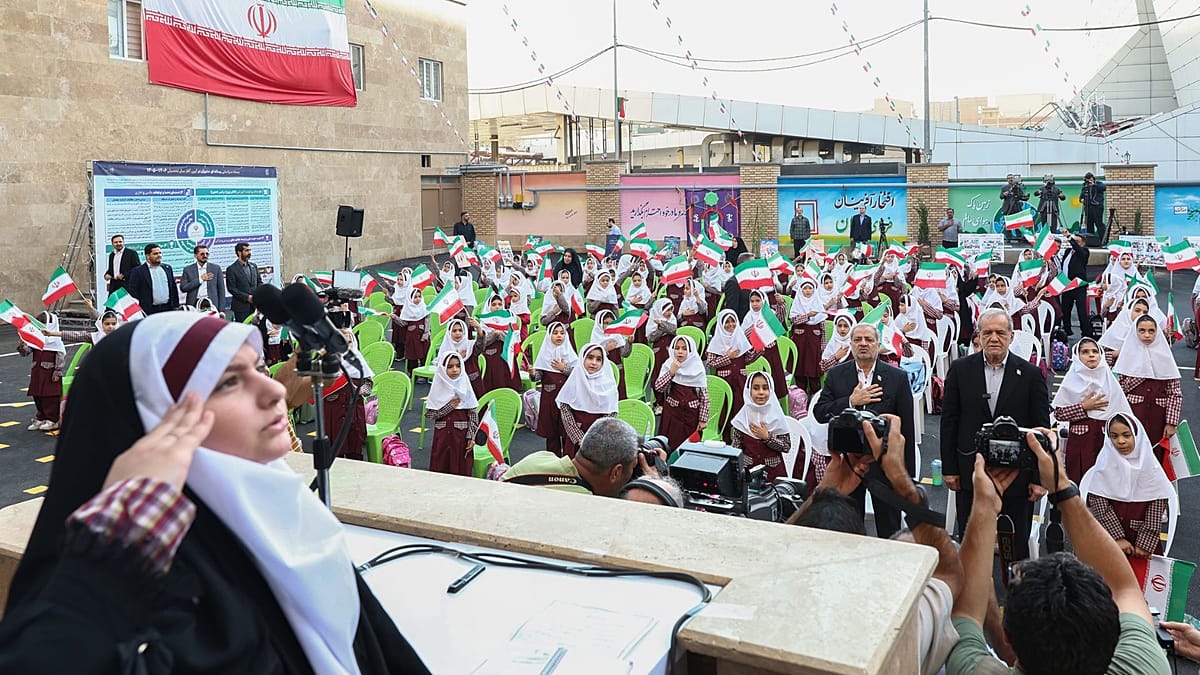
Photo via Euronews

Exclusive: US naval blockade is paralysing daily life, Iranians tell Euronews

Read the original at Euronews ↗
Cite

Kamiar, B. (2026, August 31). Exclusive: US naval blockade is paralysing daily life, Iranians tell Euronews. Euronews. http://www.euronews.com/2026/08/31/exclusive-us-naval-blockade-is-paralysing-daily-life-iranians-tell-euronews

Dated when The Aporia collected the article, usually within hours of publication. Check the original for its exact date and byline.

Euronews · collected 2026-08-31 · by Babak Kamiar

Quick Summary

Iranian citizens describe how the reinstated US naval blockade has crippled their country's trade and daily life. The blockade has disrupted over 80% of Iran's heavy imports and non-oil exports, leading to 70% inflation and a surge in food prices by 128%. Gisoo, a 45-year-old shipping specialist, says that only one out of ten cargo ships arriving from China reaches Iran due to logistical issues. The blockade has caused chaos at land borders, with drivers forced to use poorly equipped crossings like Rimdan on the Pakistan border, leading to damaged goods and plummeting earnings for those in the industry.
Written by AI on 2026-08-31, from this article's own text only (the story summary below draws on all the coverage).

AI analysis

Story summary

As of August 31, 2026, a reinstated US naval blockade off Iran's southern coast is severely disrupting trade and causing significant economic hardship in Iran, with inflation nearing 70% and food prices surging by an unprecedented 128% compared to pre-war levels. The blockade has halted over 80% of Iran’s heavy imports and non-oil exports, leading to a nearly 40% drop in non-oil trade since the start of the conflict.

The economic war, which began with military conflicts involving the United States, Israel, and Iran, includes aggressive sanctions targeting Iranian officials and facilitators. US Treasury Secretary Scott Bessent has vowed to "sever every economic lifeline" sustaining the regime until Tehran stands alone, aiming to isolate Iran economically. However, this strategy is facing resistance; Iran's foreign minister, Abbas Araghchi, emphasized during high-level meetings in Tehran with Qatari officials that diplomatic negotiations can resume only if the US abandons its aggressive pressure tactics.

Meanwhile, internal military assessments warn President Trump’s administration that continuing the war against Iran is unsustainable and depletes America's defense capabilities elsewhere. A classified report from top military brass suggests that keeping all options open for further military action limits training and missions globally.

Written for “Trump's Iran War Stalemate” on 2026-10-30, grounded in this article and the 14 other(s) covering the same event.

Story

📰 Trump's Iran War Stalemate
Politics · 15 article(s) covering the same event. See how they differ ↓

Compared with similar articles

This article reads leans left and hedges 4% of its claims. Each row says how that neighbour differs.
BBC News
Hedges 4 of 28 claims Outlet record 69/100
“Article A describes a military strike by the US on Larak Island in response to Iranian preparations, while Article B discusses a naval blockade and its effects on daily life in Iran, with no mention of a specific military event”
Deutsche Welle
Hedges 8 of 50 claims Outlet record 95/100
“Article A describes a specific naval blockade incident, while Article B discusses US sanctions in general without referencing the blockade”
CBS News
Hedges 29 of 197 claims Outlet record 66/100
“Article A mentions a naval blockade in response to military conflicts six months prior, while Article B describes an attack on Iranian oil tankers by the US in retaliation for Iran targeting warships”
The Straits Times
Hedges 1 of 13 claims Outlet record 66/100
“Article A refers to a naval blockade off Iran's southern coast, while Article B mentions an oil blockade in Cuba”
The Straits Times
⚖️ Leans left Hedges 7 of 37 claims Outlet record 66/100
Al Jazeera
⚖️ Leans left Hedges 5 of 66 claims Outlet record 60/100
“Article A mentions the 'closure of the Strait of Hormuz' and a 95% drop in traffic, while Article B refers to a 'reinstated US naval blockade off Iran's southern coast', indicating different terms used to describe the same general situation”
The Independent
⚖️ Leans left Hedges 4 of 48 claims Outlet record 59/100
“Article A mentions regional powers seeking an off-ramp from the war with Iran and a tanker attack in the Strait of Hormuz, while Article B discusses the effects of a US naval blockade on Iran's trade and economy six months after conflicts broke out”
The Hindu
⚖️ Leans strongly left further left than this Hedges 0 of 8 claims Outlet record 60/100
“Article A describes the conflict and its impact in general terms, while Article B specifically mentions a 'reinstated US naval blockade' that is causing problems six months after the start of military conflicts”
The Hindu
⚖️ Leans right further right than this Hedges 0 of 3 claims Outlet record 60/100
“Article A reports on a US naval blockade paralysing Iran's trade, while Article B reports on US attacks on Iranian rocket launchers and subsequent retaliation from Tehran”
CBS News
Hedges 6 of 46 claims Outlet record 66/100
“Article A describes a naval blockade as paralysing daily life, while Article B reports on retaliatory strikes and incidents, indicating two distinct events”
How this article was measured signals, leaning charts, publisher record, byline, topics and claims

Signals How these are calculated →

Claims extracted
45
sentences that state something as happening or true
Uncertain
4%
2 of 45 hedged ("reportedly", "may", "according to")
Leaning
Leans left
of the writing, not the subject · beta estimate
Publisher signals
60/100
Euronews's corrections and hedging, across everything collected from it. Not a measure of accuracy.
Outlets on this story
15
Politics
Same framing elsewhere
1
articles that frame the event the way this one does
Analyzed 2026-08-31 · how these are computed

How this is being covered How these are calculated →

Article leaning vs. publisher reliability
Source leaning vs. consistency

Publisher

Euronews · 1123 article(s) · 1 correction(s) detected
Running correction rate · 1 correction(s)

Who wrote this

Babak Kamiar
7 article(s) here · 1 carrying a prediction
🔮 Iran's Revolutionary Guard warned that vessels “violating” its designated routes would be pursued and "punished" anywhere in the region, as maritime agencies reported two further strikes on commercial ships in the Persian Gulf.
🔮 Iran's military insisted it retained full control of Hormuz and the foreign minister said the strait could reopen within seven days if Tehran's conditions were met, after US Treasury Secretary Bessent said Iran had not loaded a single barrel of crude onto tankers in September.
🔮 "At one of these schools many pupils have not enrolled because it is opposite a police station and their parents worry that if the war starts again their children will not be safe there," Maryam told Euronews.
🔮 Given Iran's population of roughly 90 million, 32 million would represent nearly 35% of the country's total population.
🔮 Tehran warned that any disruption of the embassy's work would engage Sweden's international responsibility under the 1961 Vienna Convention on Diplomatic Relations.
🔮 Although the new price of 10,000 tomans per litre—which comes out to a fraction of a euro—may still seem relatively low compared with other essential goods and commodities, the increase is particularly sensitive in Iran because fuel prices have historically been closely linked to protests and social unrest.
🔮 "Since the war began, maybe one out of ten cargo ships leaving China actually reaches Iran," Gisoo told Euronews. "Containers that used to take 35 days now sit stuck in Hong Kong, Karachi, or Jebel Ali for months.
Also by Babak Kamiar
Nothing else under this byline is closely related to this article, so these are simply their most recent.
All 7 articles by Babak Kamiar →

Topics

Euronews Euronews Farsi Iran Iranian Rimdan

Subjects

Gisoo PERSON · 4× Iran GPE · 4× Rimdan GPE · 4× Aras PERSON · 3× Iranian NORP · 3× Bandar Abbas GPE · 2× China GPE · 2× Euronews ORG · 2× Euronews Farsi ORG · 2× Tehran GPE · 2×

Narrative

With official inflation nearing 70% — and point-to-point food inflation surging to an unprecedented 128% in recent history — alongside a nearly 40% drop in non-oil trade compared to pre-war levels, ordinary citizens are left carrying the crushing financial weight.
framing: assertive · carried by 1 article(s) · first seen 2026-08-31
🔮 "Since the war began, maybe one out of ten cargo ships leaving China actually reaches Iran," Gisoo told Euronews. "Containers that used to take 35 days now sit stuck in Hong Kong, Karachi, or Jebel Ali for months.

Claims (45 extracted, 2 hedged)

A Euronews Farsi exclusive shows how a reinstated US naval blockade is paralysing Iran’s trade, driving 70% inflation and pushing families into survival mode. asserted
blockade → show → mode
From stranded cargo to empty tables, Iranian citizens speak out on the worsening humanitarian crisis. asserted
citizens → strand → crisis
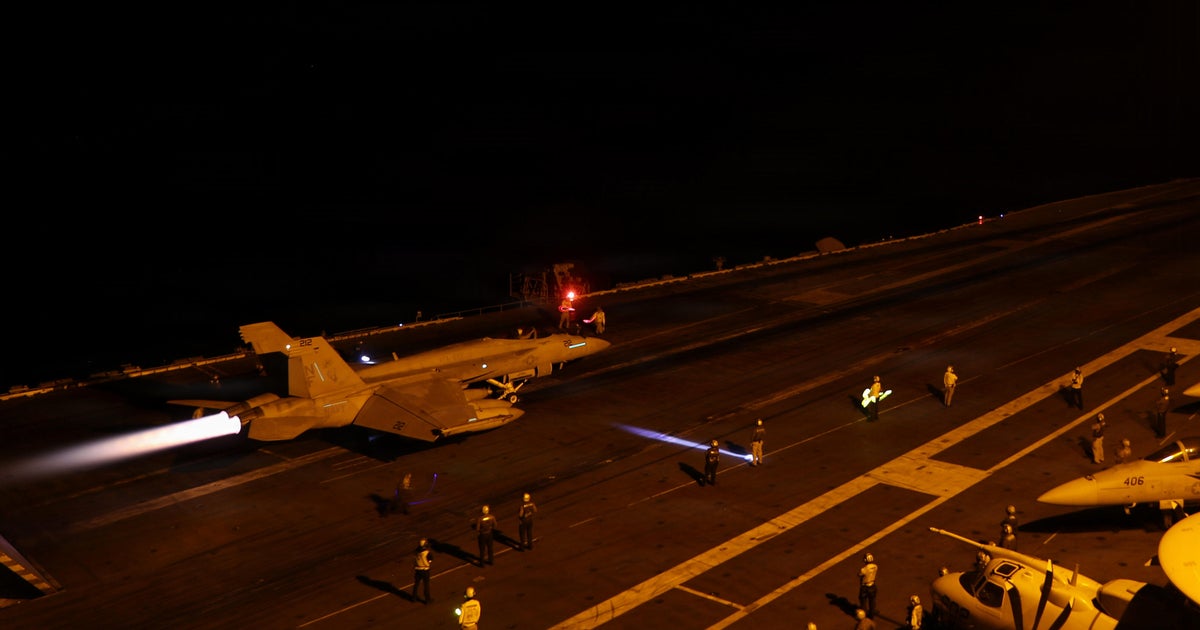
Nearly six months after military conflicts broke out involving the United States, Israel, and the Islamic Republic, a reinstated US naval blockade off Iran's southern coast has brought the nation’s primary commercial lifelines to a virtual halt. asserted
blockade → break → halt
Following a brief one-month pause after the Islamabad Memorandum, maritime enforcement resumed in mid-July. asserted
enforcement → follow → July
Since then, the chokehold on the Persian Gulf has disrupted over 80% of Iran's heavy imports and non-oil exports. asserted
chokehold → disrupt → imports
With official inflation nearing 70% — and point-to-point food inflation surging to an unprecedented 128% in recent history — alongside a nearly 40% drop in non-oil trade compared to pre-war levels, ordinary citizens are left carrying the crushing financial weight. asserted
citizens → near → weight
In an exclusive series of interviews with Euronews Farsi, Iranian citizens across various sectors described how the blockade has dismantled their livelihoods, forced household austerity, and reshaped daily life. asserted
blockade → describe → life
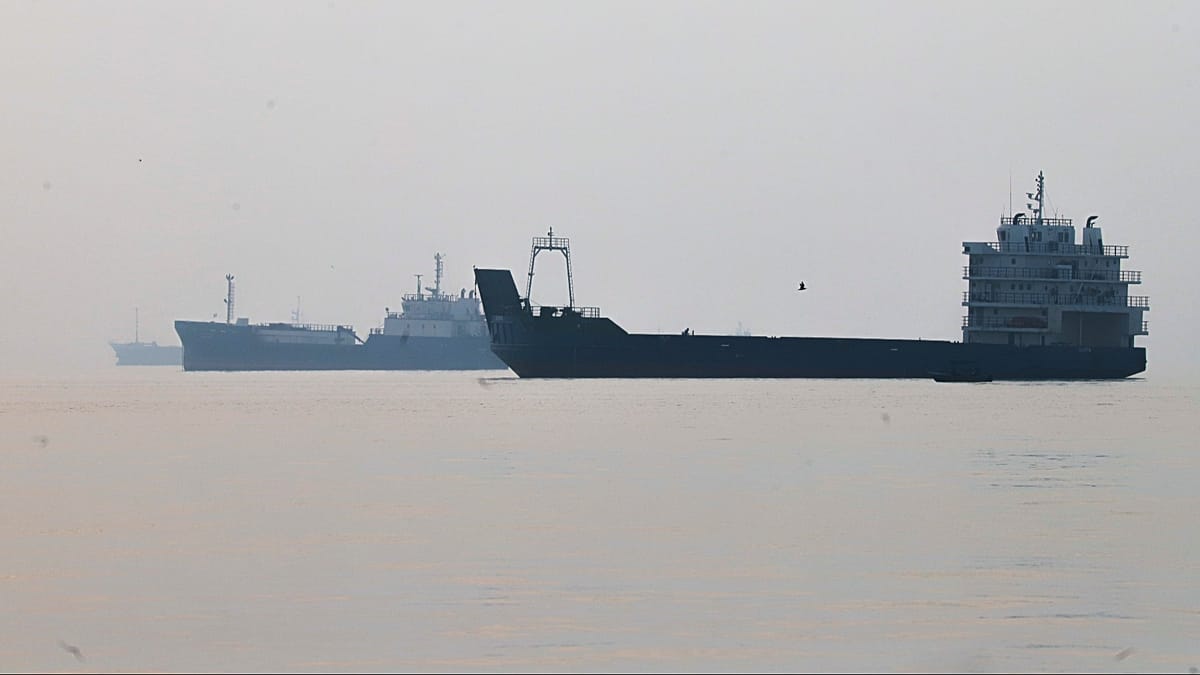
The maritime blockade has devastated logistics networks that rely on southern ports like Bandar Abbas. asserted
that → devastate → Abbas
Gisoo, a 45-year-old international shipping specialist based in Tehran, works directly with container movements. asserted
Gisoo → base → movements
"Since the war began, maybe one out of ten cargo ships leaving China actually reaches Iran," Gisoo told Euronews. "Containers that used to take 35 days now sit stuck in Hong Kong, Karachi, or Jebel Ali for months. asserted
that → begin → months
UAE ports are no longer allowing Iranian dhows to dock." asserted
dhows → allow → ?
Maritime freight rates jumped from $3,000 to nearly $10,000 per container, while overland transport from China now costs at least $16,000. asserted
transport → jump → 16,000
Rerouting cargo via Mersin in Turkey has created massive bottlenecks, leaving shipments stranded for weeks while storage fees accumulate. asserted
fees → reroute → weeks
Land routes also require multiple unloadings and reloadings, which frequently damage sensitive goods. asserted
which → require → goods
Because Gisoo's income relies on commissions per completed shipment, her earnings have plummeted, she added. asserted
she → rely → shipment
Regarding the political fallout, Gisoo voiced scepticism about sudden systemic change, stating that fear from previous crackdowns keeps most people from taking to the streets. asserted
fear → regard → streets
With operations at Bandar Abbas down from thousands of daily truckloads to a mere trickle, drivers have been forced to rely on poorly equipped land crossings like Rimdan on the border with Pakistan. asserted
drivers → force → Pakistan
Aras, a 60-year-old long-haul trucker from Kermanshah, described the Rimdan border as essentially lawless. asserted
Aras → describe → border
Cargo from Pakistan now enters through Rimdan, but that border lacks basic infrastructure — no facilities, no dust control, just extreme heat," Aras told Euronews Farsi. asserted
Aras → enter → Farsi
"Fetching a load from Rimdan to Tehran pays around 250 million tomans (€1,086), but few drivers are willing to go." asserted
drivers → fetch → tomans
Aras further detailed how operational costs for vehicle upkeep have skyrocketed under the blockade. asserted
costs → detail → blockade
For instance, a pair of heavy truck tyres surged from 35 million tomans (€152) before the war to 250 million tomans (€1,086) today, he said. asserted
he → surge → tomans
Routine maintenance has become similarly unmanageable, with basic oil changes rising from 6 million tomans (€26) to 21 million tomans (€91), while servicing newer truck models now costs up to 70 million tomans (€304) per session, he added. asserted
he → become → session
Required spare parts for modern trucks have virtually disappeared from the market, leaving broken vehicles completely out of commission, he warned. asserted
he → disappear → commission
If the blockade persists for another two months, widespread domestic shortages are inevitable, he added. asserted
he → persist → months
He believes that if economic pressure forces families to the edge of starvation, widespread public protests could ultimately break the status quo. uncertain
protests → believe → quo
The blockade’s ripple effect has severely eroded everyday consumers' purchasing power, driving up the cost of basic food items and essential medical supplies. asserted
effect → erode → items
Mansour, a 40-year-old auto technician and father of two in Tehran, told Euronews Farsi that foot traffic in local grocery stores has visibly plummeted. asserted
traffic → tell → stores
People are forced to strip away every non-essential expense just to get by, he observed. asserted
he → force → expense
His own family has stopped buying meat, chicken, and rice in meaningful quantities, relying instead on bread-based meals, he said. asserted
he → stop → meals
At his auto repair shop, the price of basic motor oil rose from 1.8 million to 2.8 million tomans (€12), leaving him with almost no customers over the past two weeks, he added. asserted
he → rise → weeks
Mansour said he expected the blockade to spark renewed public protests, although he anticipated heavy security responses. asserted
he → say → responses
Hamid, a 46-year-old footwear vendor in Tehran, said the trade shutdown showed almost immediate results. asserted
shutdown → say → results
Critical medical supplies, like haemophilia treatments, have become virtually unobtainable," Hamid told Euronews Farsi. asserted
Hamid → become → Farsi
"The surge in fuel and transit costs is devastating millions who rely on ride-hailing services like Snapp to feed their families. asserted
who → devastate → families
" "When working-class people can no longer afford bread for their children, the pressure becomes uncontainable.", Hamid told Euronews. asserted
Hamid → afford → Euronews
The widespread poverty visible on Tehran's streets has caused Hamid profound anguish. asserted
poverty → cause → anguish
While he dreaded the hardship of ongoing blockades, he said he viewed fundamental change as the only long-term exit from systemic stagnation. asserted
he → dread → stagnation
Small businesses facing bankruptcy Even domestic businesses that rely on locally produced goods are getting squeezed by indirect supply chain shocks. asserted
that → face → shocks
Mohammad, a 40-year-old restaurant owner operating outside Tehran, told Euronews Farsi that his business has lost roughly 60% of its customers since the war and blockade began. asserted
war → operate → customers
…and 5 more, not listed.

💬Give feedback
🕘History 🎫Support