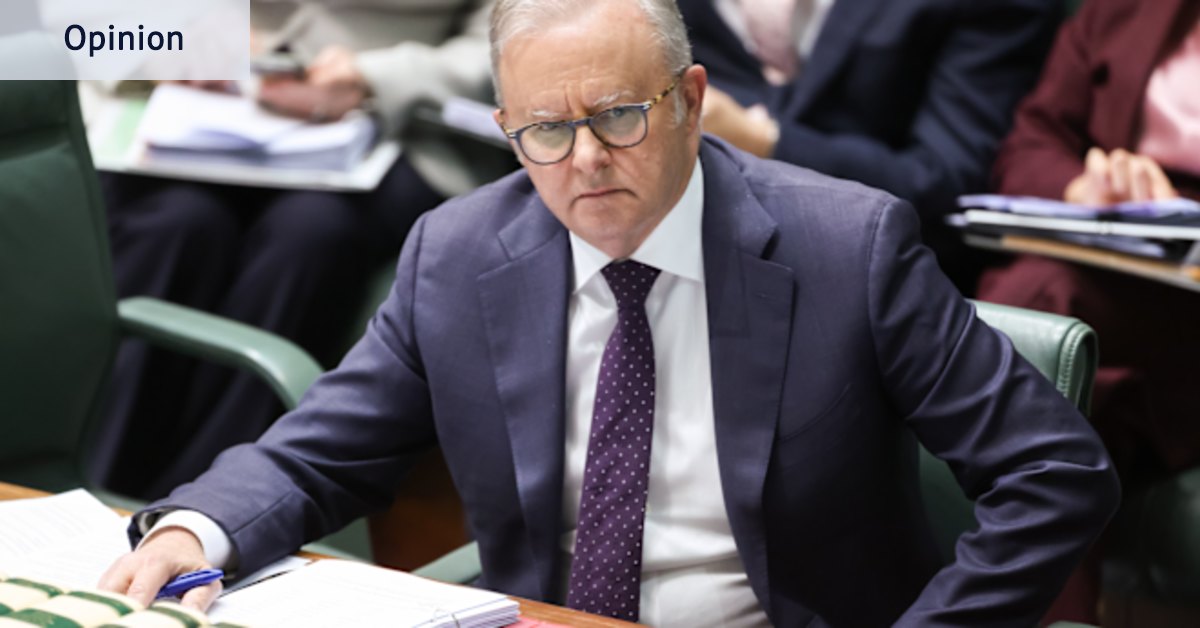
When Anthony Albanese came to power in 2022, he slashed the number of well-paid advisers allocated to the crossbenchers in parliament.
asserted
he → come → parliament
Privately, the PM argued that the generous allocation of staff to crossbench MPs had become corrupted and was unnecessary.
asserted
allocation → argue → MPs
Balance-of-power MPs had gained one adviser and two assistant advisers under Malcolm Turnbull, and then a second adviser-level staff member under Scott Morrison.
asserted
MPs → gain → Morrison
At the time, the votes of crossbench senators (in particular) were often needed to pass laws.
asserted
votes → need → laws
Unfortunately, the system has been corrupted again under Albanese.
asserted
system → corrupt → Albanese
The prime minister is now doing what he once railed against Turnbull and Morrison for doing.
asserted
he → do → Turnbull
And it’s all within the rules.
asserted
it → ’ → rules
Rather than cleaning it up, he too is gaming the system.
asserted
he → clean → system
The number of advisers allowed for crossbench MPs makes no sense, unless it is understood through the lens of political patronage.
asserted
it → allow → patronage
The Members of Parliament (Staff) Act 1984 (widely known as the MOPS Act) hands the prime minister of the day near unfettered power to decide how many adviser-level staff other MPs have, and how much they are paid.
asserted
they → know → much
Albanese has made full use of this power.
asserted
Albanese → make → power
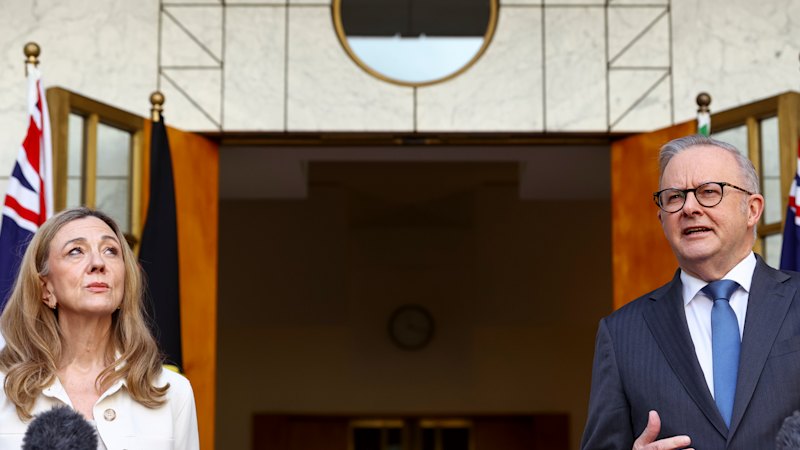
The unfairness of the system came into sharp relief this week when my colleague, Nick Newling, revealed that former crossbencher-turned-Labor-senator Tammy Tyrrell has been allowed to keep the two additional advisers she was allocated after entering parliament.
asserted
she → come → parliament
This is not to argue that those two advisers should be sacked, but an absurd situation now exists wherein Tyrrell has the same number of additional, and well-paid, staff as 13 more senior Labor colleagues who hold either assistant ministries or special envoy roles.
asserted
who → argue → ministries
Tyrrell’s backbench colleagues have no additional staff, which has ruffled feathers internally.
asserted
which → have → feathers
Why does it matter how many staff an MP has, and how much they are paid?
asserted
they → matter → much
The more an MP has, the more inquiries from constituents can be handled and the better that elected representative can contribute to committee work and debates in parliament.
asserted
representative → have → parliament
Come election time, the more staff you have, the more doors that can be knocked on.
asserted
that → Come → staff
It’s one of the spoils of incumbency.
asserted
It → ’ → incumbency
This capacity to employ people as advisers or senior advisers means being able to pay more for better talent.
asserted
capacity → employ → talent
Independents and minor parties, meanwhile, do not have the resources of government departments and ministerial offices.
asserted
Independents → have → departments
Each additional adviser – typically better paid than the five electorate staff every MP has – costs taxpayers money.
asserted
MP → pay → money
For non-government MPs, adviser-level staff are paid from $77,000 to $160,000 for someone at the top of the pay band.
asserted
staff → pay → band
Assistant advisers are paid a bit less, senior advisers and chiefs of staff a bit more.
asserted
advisers → pay → staff
The top earners (there are only a handful) are on $317,000 a year.
asserted
earners → be → 317,000
The biggest loser from the PM’s weaponisation of the MOPS provisions is, undoubtedly, the now-independent senator Fatima Payman, who ratted on Labor and is paying the price for it.
asserted
who → rat → it
She has no personal advisers.
asserted
She → have → advisers
Even United Australia Party senator Ralph Babet, arguably the least impactful crossbencher of the past two decades, has one adviser.
asserted
Babet → have → adviser
The next biggest loser is Pauline Hanson’s One Nation, which has just four advisers despite holding six seats.
asserted
which → have → seats
For months, Hanson has been asking the prime minister for more staff to reflect her party’s growing representation in the parliament, but the requests have fallen on deaf ears.
asserted
requests → ask → ears
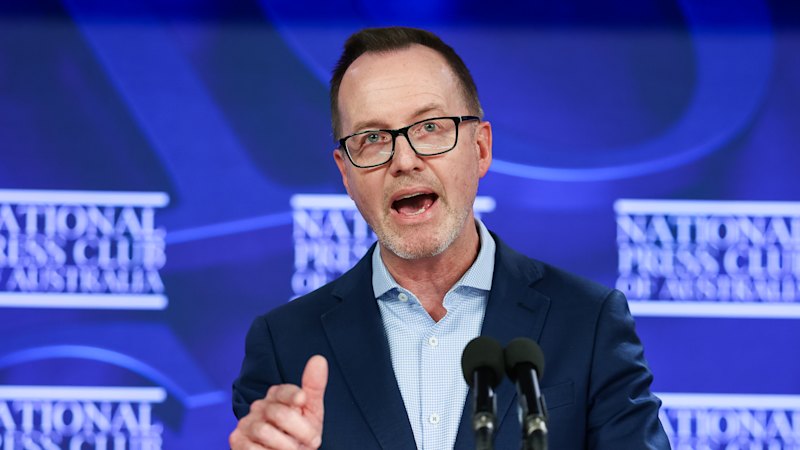
The Greens have 11 senators and one MP – and 17 extra staff, including six well-paid advisers and senior advisers.
asserted
Greens → have → advisers
Other crossbench senators such as Jacqui Lambie, David Pocock and Lidia Thorpe have two additional advisers, while in the lower house, regional MPs including Bob Katter, Rebekha Sharkie, Helen Haines and Andrew Gee have two extra staff, reflecting the size of their electorates, as do most of the teal MPs.
asserted
most → have → MPs
Dai Le, Nicolette Boele and Barnaby Joyce have just one.
asserted
Le → have → one
Unsurprisingly, those who have benefited most have complained the least.
asserted
who → benefit → ?
In June 1984, Bob Hawke’s government created the MOPS Act to set out rules governing how many advisers MPs could have.
uncertain
MPs → create → advisers
When the bill made its way to the Senate, just one senator – the independent-minded Tasmanian Liberal Michael Townley – raised concerns about the powers the bill gave the prime minister.
asserted
bill → make → minister
“It just needs a letter from the prime minister to say what the situation of my staff members or of somebody else’s staff members will be.
asserted
situation → need → members
I do not believe that is at all a good thing.
asserted
that → believe → ?
It is open to patronage and should not really be contemplated by the government.
asserted
It → contemplate → government
It is better done by the Remuneration Tribunal.”
asserted
It → do → Tribunal
The independent tribunal, which sets MPs’ pay and conditions, should indeed set the pay, conditions and allocation of their staff.
asserted
which → set → staff
…and 10 more, not listed.
 The Aporia