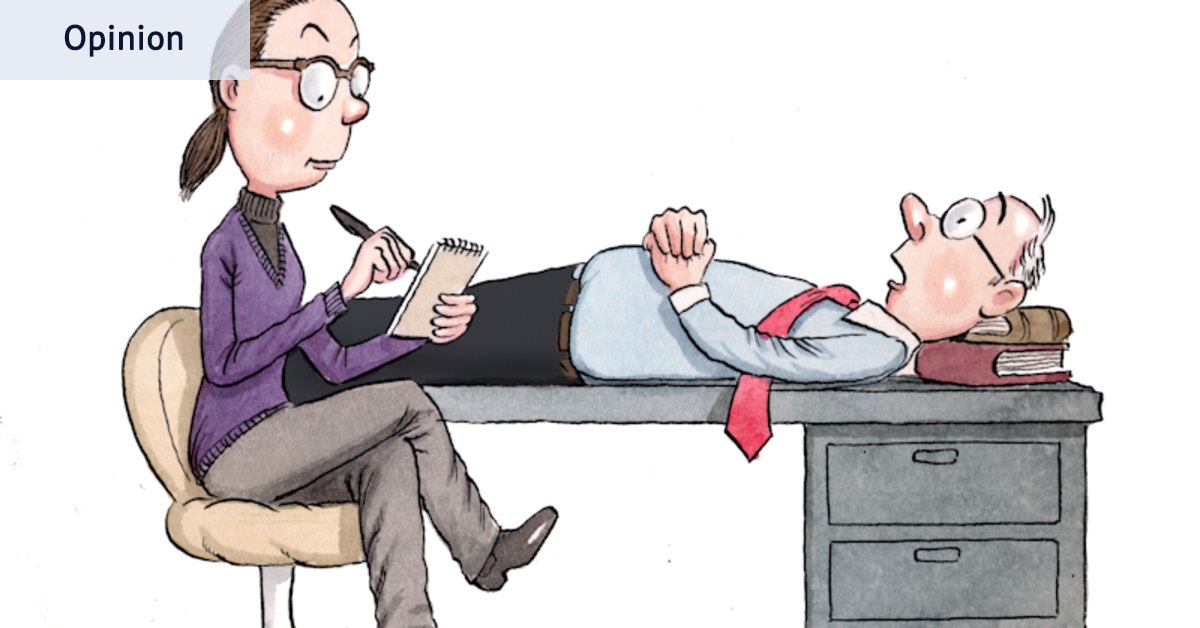
I read your column every week and am struck by how many serious problems people have at work.
asserted
people → read → work
I hope it’s OK to ask about something of a more minor nature.
asserted
it → hope → nature
I moved to a new city last year to take a great job opportunity and have found it hard to make new friends.
asserted
it → move → friends
Recently, I have begun to realise I have a lot in common with a work colleague.
asserted
I → begin → colleague
I would like to invite them and their partner to my home for a barbecue but the words of a wise ex-manager keep holding me back: “Never mix business and pleasure”.
asserted
words → like → business
Should I keep my work and social life separate?
asserted
I → keep → work
This sounds like something that has been weighing heavily on your mind and, while we’re not talking about wage theft or bullying or abuse, I wouldn’t call your problem inconsequential.
asserted
I → sound → problem
Your ex-manager may well be a wise person, and I don’t want to suggest that you’re misguided in heeding their warning, but I would suggest that you think carefully about what precisely they meant when they offered that advice.
uncertain
they → want → advice
It’s a cliche, but it’s true: money does funny things to people.
asserted
money → ’ → people
Of course, “Never mix business and pleasure” is an idea that’s been around for a long while.
asserted
that → mix → while
And as far as I can tell, it’s never been defined in a highly specific way.
asserted
it → tell → way
From at least one perspective, it’s good general advice.
asserted
it → ’ → perspective
If we take it to mean something like “avoid nepotism”, that’s a sentiment that’s hard to fault.
asserted
that → take → nepotism
It also makes sense if we interpret it to mean something more like be careful about letting a business partnership change or spoil a friendship.
asserted
partnership → make → friendship
It’s a cliche, but it’s true: money does funny things to people.
asserted
money → ’ → people
If, though, we take it to refer to relationships between colleagues at work (with no financial stake in the enterprise), I think we’re wandering into less certain terrain.
asserted
we → take → terrain
Yes, I can see that in certain situations, a romantic relationship with a colleague might cause genuine problems.
uncertain
relationship → see → problems
But I also know of people who have met at work, continued working together while they’ve dated or even married, and gone on to have happy long-term partnerships.
asserted
they → know → partnerships
But let’s look at the meaning you’ve taken from the truism: “Your colleagues should strictly remain acquaintances, not friends”.
asserted
colleagues → let → truism
Yes, if you become socially close with a colleague questions of favouritism and impartiality might arise, but as adults, we deal with these questions all the time.
uncertain
we → become → questions
It’s not like you’d be wading into unfamiliar waters.
asserted
you → ’ → waters
Putting that aside, though, I think refraining from making a close friend simply because they work at the same organisation as you is a form of unnecessary self-denial.
asserted
they → put → denial
And that’s made worse by the fact you spend so much of your life at work.
asserted
you → make → work
While there may be a few jobs with very particular requirements that make friendships with co-workers somehow fraught, most are not like that at all.
uncertain
most → make → that
In these cases, proscribing it seems like a way of making a third of our lives less enjoyable than they need to be.
asserted
they → proscribe → lives
Much of what I’ve said above is in the realm of abstraction, however.
asserted
I → say → abstraction
My own opinion from everything you’ve told me is that, given the nature of your work, you could easily be close friends with a colleague and it would have almost zero influence on your work.
uncertain
it → tell → work
But I don’t think you should take my word for that.
asserted
you → think → that
Instead, my advice is that you interrogate what about your ex-manager’s words made you hesitate?
asserted
you → interrogate → words
Does “Never mix business and pleasure” strike you as sensibly conservative?
asserted
mix → mix → you
Or have you had a relationship at work go bad previously?
asserted
relationship → have → work
Could that be playing on your mind?
uncertain
that → play → mind
Did you and your old boss in fact talk about this subject, and did they explicitly mention the problem of workplace friendships?
asserted
they → talk → friendships
Has that discussion stayed with you?
asserted
discussion → stay → you
I get the sense you respect this ex-manager person a great deal.
asserted
you → get → person
With that in mind, if you’ve read this response and are still apprehensive about opening up to your co-worker, the best advice I can give is to get back in touch with your mentor and speak with them about this matter.
asserted
I → read → matter
I have a sneaking suspicion they’ll tell you not to worry and to strike up a friendship without hesitation.
asserted
they → have → hesitation
But if they don’t, at least you’ll be able to decide having sought the counsel of a person you admire and trust.
asserted
you → do → person
Get workplace news, advice and perspectives to help make your job work for you.
asserted
job → get → you
Sign up for our weekly Thank God it’s Monday newsletter.
asserted
it → sign → newsletter
 The Aporia