Photo via Times of India

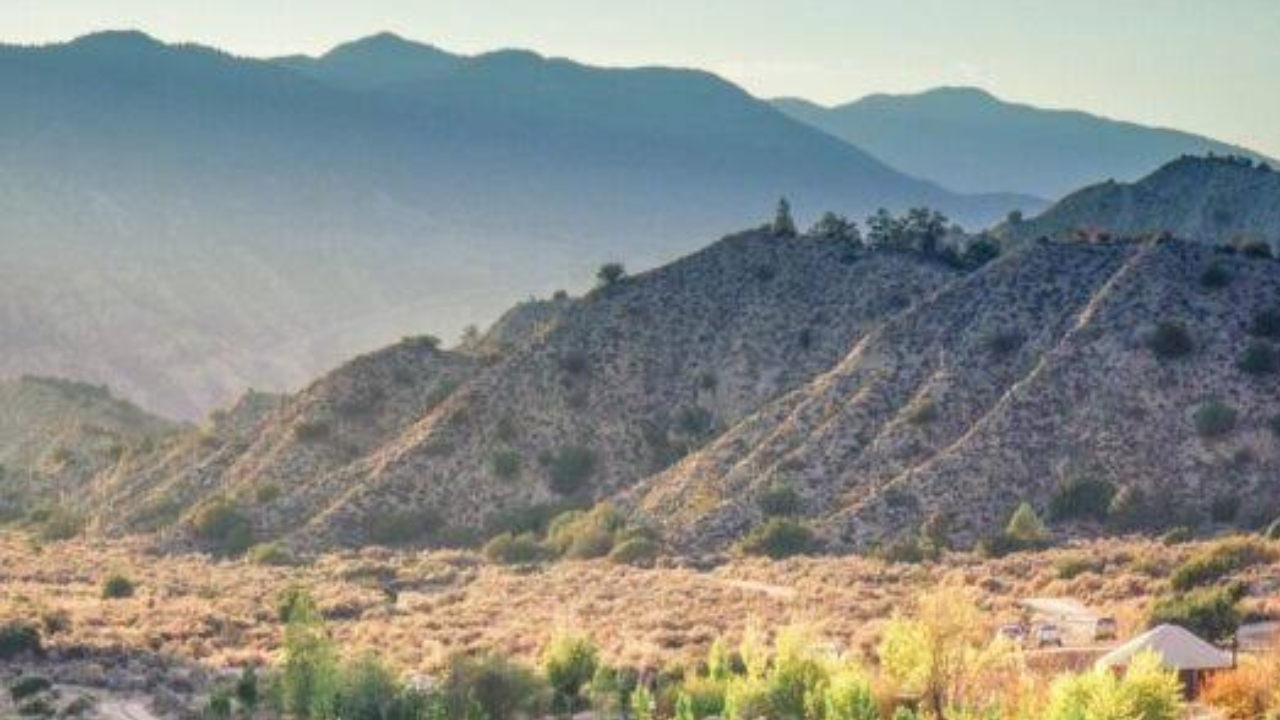
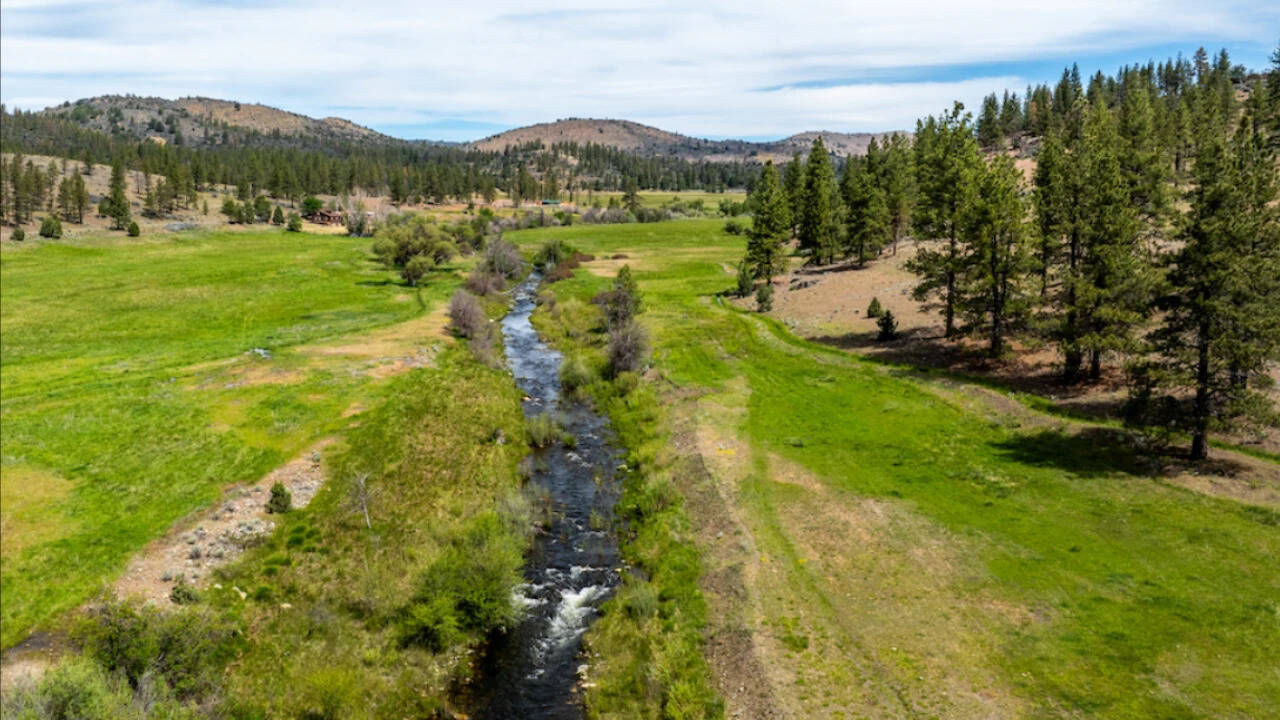
In 1843, Mexico granted 22,000 acres in California's Cuyama Valley; 183 years later...

Read the original at Times of India ↗
Cite

TOI World Desk. (2026, September 24). In 1843, Mexico granted 22,000 acres in California's Cuyama Valley; 183 years later... Times of India. https://timesofindia.indiatimes.com/world/us/in-1843-mexico-granted-22000-acres-in-californias-cuyama-valley-183-years-later-the-largest-surviving-5650-acre-piece-was-permanently-protected-after-a-1-million-conservation-campaign/articleshow/134468349.cms

Dated when The Aporia collected the article, usually within hours of publication. Check the original for its exact date and byline.

Times of India · collected 2026-09-24 · by TOI World Desk

Quick Summary

In 1843, Mexico granted José María Rojo 22,000 acres in California's Cuyama Valley as part of Rancho Cuyama (No. 1). Over 183 years later, a permanent agricultural conservation easement has been established for the 5,650-acre Spanish Ranch, the largest remaining intact portion of this original grant, through a $1 million fundraising campaign involving federal grants and private donors. This agreement ensures that the ranch will remain dedicated to agriculture and preserved from future development, highlighting the historical importance of California's pre-statehood land grants in the face of increasing development pressures.
Written by AI on 2026-09-24, from this article's own text only (the story summary below draws on all the coverage).

AI analysis

Story summary

In 1843, Mexico granted 22,193 acres of land known as Rancho Cuyama (No. 1) to José María Rojo in California's Cuyama Valley. This property is now a critical part of an ongoing conservation effort led by the Doiron family and the California Rangeland Trust. A successful grassroots campaign raised $1 million, securing a permanent agricultural conservation easement on the 5,650-acre Spanish Ranch, ensuring it remains working farmland indefinitely. The protected area spans San Luis Obispo and Santa Barbara counties, safeguarding important wildlife corridors, native oak forests, and headwater habitats. This initiative preserves California’s pre-statehood ranching legacy dating back to before the state's establishment.

Written for “Mexican Land Grants” on 2026-11-03, grounded in this article and the 0 other(s) covering the same event.

Story

📰 Mexican Land Grants
Environment · 1 article(s) covering the same event.

Compared with similar articles

This article reads unscored and hedges 6% of its claims. Each row says how that neighbour differs.
Times of India
Hedges 1 of 43 claims Outlet record 59/100
“The articles describe different conservation efforts in California happening at distinct times and involving separate land acquisitions.”
How this article was measured signals, leaning charts, publisher record, byline, topics and claims

Signals How these are calculated →

Claims extracted
32
sentences that state something as happening or true
Uncertain
6%
2 of 32 hedged ("reportedly", "may", "according to")
Leaning
not political
takes no side on a contested political question
Publisher signals
59/100
Times of India's corrections and hedging, across everything collected from it. Not a measure of accuracy.
Outlets on this story
1
Environment
Same framing elsewhere
1
articles that frame the event the way this one does
Analyzed 2026-09-24 · how these are computed

How this is being covered How these are calculated →

Article leaning vs. publisher reliability
Source leaning vs. consistency

Publisher

Times of India · 4006 article(s) · 4 correction(s) detected
Running correction rate · 4 correction(s)

Who wrote this

TOI World Desk
1391 article(s) here · 1 carrying a prediction
🔮 For someone passing through a cemetery, a lantern or a plant might appear to be an ordinary possession.
🔮 A British man’s handwritten will, drafted on the cardboard packaging of a frozen fish box and a mince pie packet, has been ruled valid by the High Court, clearing the way for a diabetes charity to inherit his estate worth approximately £180,000.
🔮 Instead of sweeping past to look for younger animals, they paused, took a closer look, and asked shelter staff if they could meet Herbie in person.
🔮 He realised that it could be one of the fish released as part of the competition.
🔮 When Judge Judy Sheindlin and her daughter Nicole Sheindlin launched Her Honor Mentoring in 2006, it began with a modest group of eight or nine high-school girls and a simple belief: a trusted professional woman could help a young person see a wider future for herself.
🔮 A subsequent report by Hoodline said the event included remarks from Mayor Stephen Tyler Holman, City Manager Darrel Pyle, artist Ken Hall Jr. and Derek Vosten, among others.
🔮 Those allegations could remain in the complaint as background and evidence.
🔮 His application raised a question that had not previously been tested in court on St Helena: could someone acquire government-owned land simply by occupying it for 15 years?
🔮 The restored property will take time to develop into a mature habitat, but the project offers an example of how privately owned agricultural land can contribute to biodiversity recovery.
🔮 The return of these mammals is therefore expected to benefit more than just the animals themselves.
Wire or desk byline, not an individual reporter.
Also by TOI World Desk
Nothing else under this byline is closely related to this article, so these are simply their most recent.
All 1391 articles by TOI World Desk →

Topics

California Mexican San Luis Obispo Santa Barbara the California Rangeland Trust

Subjects

the California Rangeland Trust ORG · 5× California GPE · 4× Doiron PERSON · 4× Mexican NORP · 3× San Luis Obispo GPE · 2× Santa Barbara GPE · 2× the John S. Kiewit Memorial Foundation ORG · 2× José María Rojo PERSON · 1× Manuel Micheltorena PERSON · 1× the United States GPE · 1×

Narrative

Preserving a pre-statehood Mexican land grant The property is the main part of what was originally called Rancho Cuyama (No. 1), a 22,193-acre land grant awarded in 1843 by Mexican Governor Manuel Micheltorena to José María Rojo.
framing: assertive · carried by 1 article(s) · first seen 2026-09-24
🔮 The agreement guarantees that the historic cattle ranch will remain working agricultural land forever, preventing future subdivisions or industrial development.

Claims (32 extracted, 2 hedged)

The largest remaining intact part of an 1843 Mexican land grant in California's Cuyama Valley has been permanently protected from future commercial development after a successful grassroots conservation campaign. asserted
part → remain → campaign
The 5,650-acre Spanish Ranch, managed by the Doiron family, is now protected by a permanent agricultural conservation easement through a partnership with the California Rangeland Trust. asserted
Ranch → manage → Trust
The agreement guarantees that the historic cattle ranch will remain working agricultural land forever, preventing future subdivisions or industrial development. asserted
ranch → guarantee → subdivisions
The agreement was completed after a $1 million fundraising campaign. asserted
agreement → complete → campaign
It protects important wildlife corridors, native oak forests, and headwater habitats across San Luis Obispo and Santa Barbara counties. asserted
It → protect → counties
According to an official announcement from the California Rangeland Trust, the project protects a continuous farming and ranching tradition that began before California became a state. uncertain
California → accord → tradition
Preserving a pre-statehood Mexican land grant The property is the main part of what was originally called Rancho Cuyama (No. 1), a 22,193-acre land grant awarded in 1843 by Mexican Governor Manuel Micheltorena to José María Rojo. asserted
what → preserve → Rojo
After the Mexican-American War ended and the Treaty of Guadalupe Hidalgo was signed in 1848, the United States government formally recognized the land grant. asserted
government → end → grant
Over the past 183 years, large parts of California's historic ranchos have been divided into smaller residential lots, farmland, and industrial sites. asserted
parts → divide → lots
Spanish Ranch remains the largest connected parcel from the original 1843 grant that is still being used for agriculture. asserted
that → remain → agriculture
The Doiron family bought the land decades ago and has operated it as a traditional cattle ranch while preserving its open natural spaces. asserted
family → buy → spaces
As development pressure increased in the Cuyama Valley, the family began working with conservation groups to protect the property permanently. asserted
family → increase → property
In a statement released by the California Rangeland Trust, landowner Pam Doiron spoke about the property's deep historical importance. asserted
Doiron → release → importance
"The ranch is a symbol that shows that agriculture, history, and conservation go hand in hand," Doiron said. asserted
Doiron → show → hand
"I am proud, along with my family, to carry that legacy forward." asserted
I → carry → legacy
Funding through public and private coalitions Protecting the land required money from several sources, including federal grant programs, charitable foundations, and individual donors. asserted
Protecting → fund → programs
Federal support came from the United States Department of Agriculture's Natural Resources Conservation Service through its Agricultural Conservation Easement Program. asserted
support → come → Program
The program provides matching funds to protect working agricultural land. asserted
program → provide → land
To pay the remaining costs, the California Rangeland Trust launched a $1 million fundraising campaign. asserted
Trust → pay → campaign
More than 140 private donors and seven charitable foundations gave money to the campaign, providing nearly 54 per cent of the project's total funding. asserted
donors → give → funding
A major leadership grant from the John S. Kiewit Memorial Foundation provided the final amount needed to complete the project. asserted
grant → provide → project
According to records published by the California Rangeland Trust, the organization now protects more than 150,000 acres of working land across Santa Barbara and San Luis Obispo counties. uncertain
organization → accord → counties
This represents 34 per cent of its conservation portfolio across the state. asserted
This → represent → state
Eric Hvolboll, board president of the John S. Kiewit Memorial Foundation, said during a dedication ceremony that supporting conservation agreements for working land fits closely with the region's conservation goals. asserted
supporting → say → goals
Beyond its historical value, Spanish Ranch provides an important natural buffer between the Los Padres National Forest and the Cuyama River basin. asserted
Ranch → provide → Forest
The property offers important habitat for native wildlife, including the California condor, tule elk, pronghorn, and several species of special concern. asserted
property → offer → concern
Under the legal agreement, the Doiron family keeps full private ownership and control of the cattle ranch. asserted
family → keep → ranch
However, the easement permanently removes all future commercial development rights. asserted
easement → remove → rights
This ensures that the soil, watershed, and vegetation can remain protected. asserted
soil → ensure → ?
Michael Delbar, Chief Executive Officer of the California Rangeland Trust, pointed to the wider importance of the agreement for protecting land in the region. asserted
Delbar → point → region
"Spanish Ranch represents what is possible when landowners, conservation partners, and communities come together around a shared vision for the future," Delbar stated. asserted
Delbar → represent → future
"We are not just conserving acres, we are helping ensure that these working landscapes remain whole, productive, and connected for generations to come." asserted
landscapes → conserve → generations

💬Give feedback
🕘History 🎫Support