The Aporia
TOI Science Desk. (2026, September 25). Colorado researchers grow world’s priciest spice on solar panels, doubling yield and earning $60,000. Times of India. https://timesofindia.indiatimes.com/science/discovery/colorado-researchers-grew-the-worlds-most-expensive-spice-on-rooftop-solar-panels-harvested-twice-the-output-and-generated-60000-in-return-while-producing-electricity/articleshow/134477710.cms
TOI Science Desk. “Colorado researchers grow world’s priciest spice on solar panels, doubling yield and earning $60,000.” Times of India, 25 Sept. 2026, https://timesofindia.indiatimes.com/science/discovery/colorado-researchers-grew-the-worlds-most-expensive-spice-on-rooftop-solar-panels-harvested-twice-the-output-and-generated-60000-in-return-while-producing-electricity/articleshow/134477710.cms.
TOI Science Desk. “Colorado researchers grow world’s priciest spice on solar panels, doubling yield and earning $60,000.” Times of India, September 25, 2026. https://timesofindia.indiatimes.com/science/discovery/colorado-researchers-grew-the-worlds-most-expensive-spice-on-rooftop-solar-panels-harvested-twice-the-output-and-generated-60000-in-return-while-producing-electricity/articleshow/134477710.cms.
Dated when The Aporia collected the article, usually within hours of publication. Check the original for its exact date and byline.
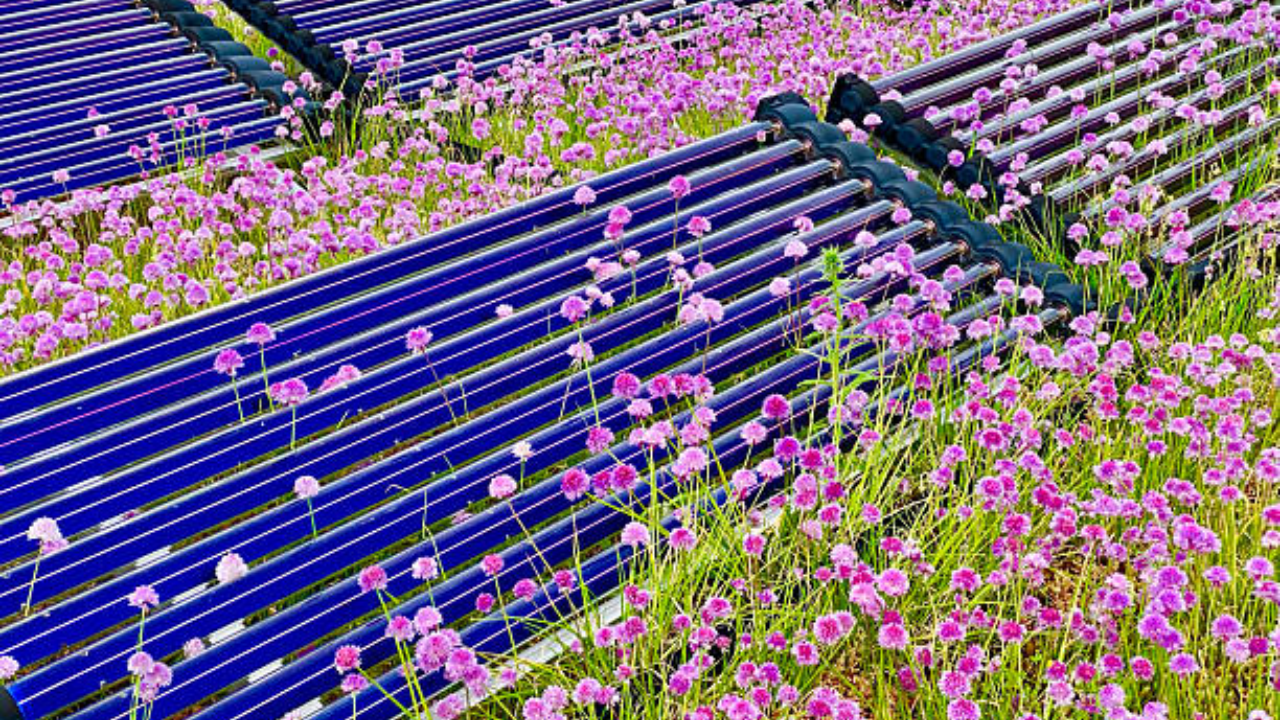
Colorado State University researchers have successfully grown saffron, one of the world's most expensive spices, under solar panels installed on rooftops in Denver. The experiment, conducted at CSU Spur campus, showed that saffron plants grown beneath 40% transparent solar panels produced twice as many flowers and doubled the dried spice yield compared to unshaded rooftop plots. This innovative approach, known as agrovoltaics, demonstrates how urban rooftops can be utilized for food production where farmland is limited. The project not only generated $60,000 in additional income but also produced electricity from solar panels. Jennifer Bousselot and her team have been studying the relationship between green roofs and solar installations since 2007, highlighting the potential of urban spaces to contribute to both food security and renewable energy production.