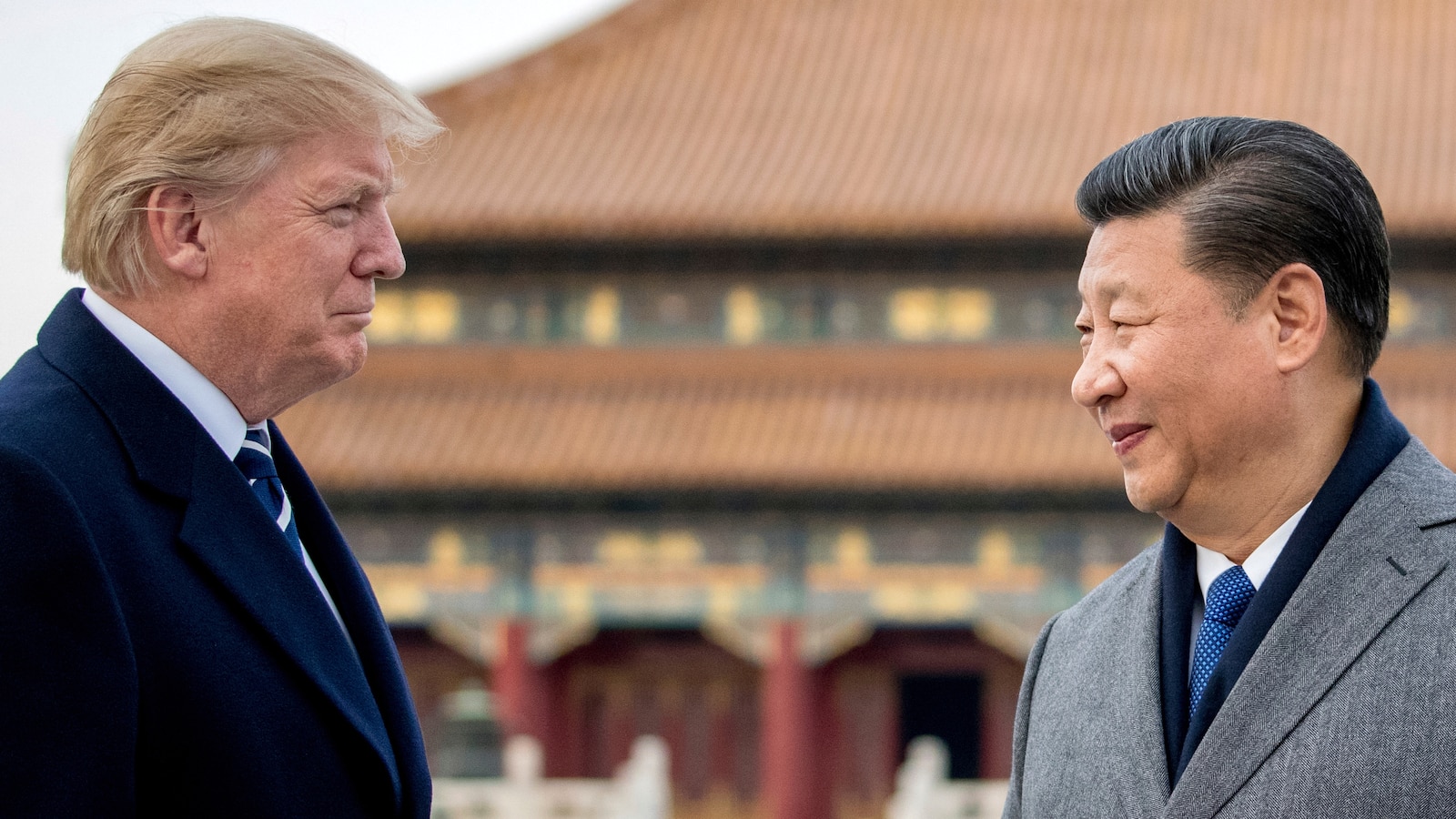
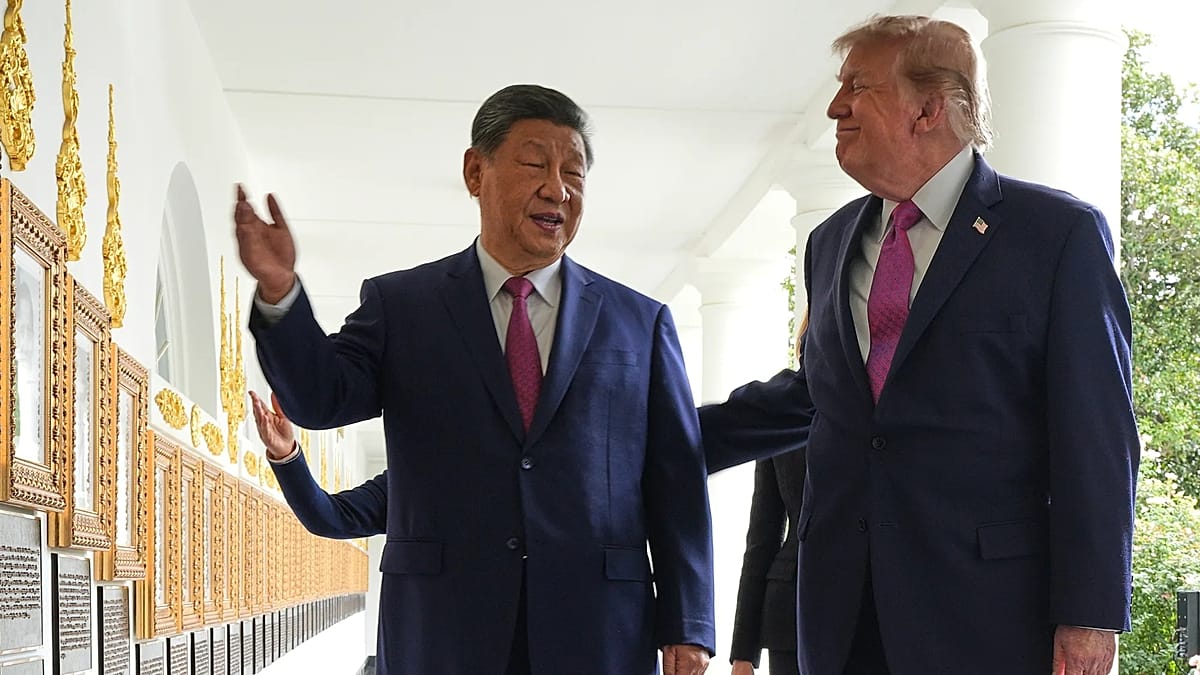
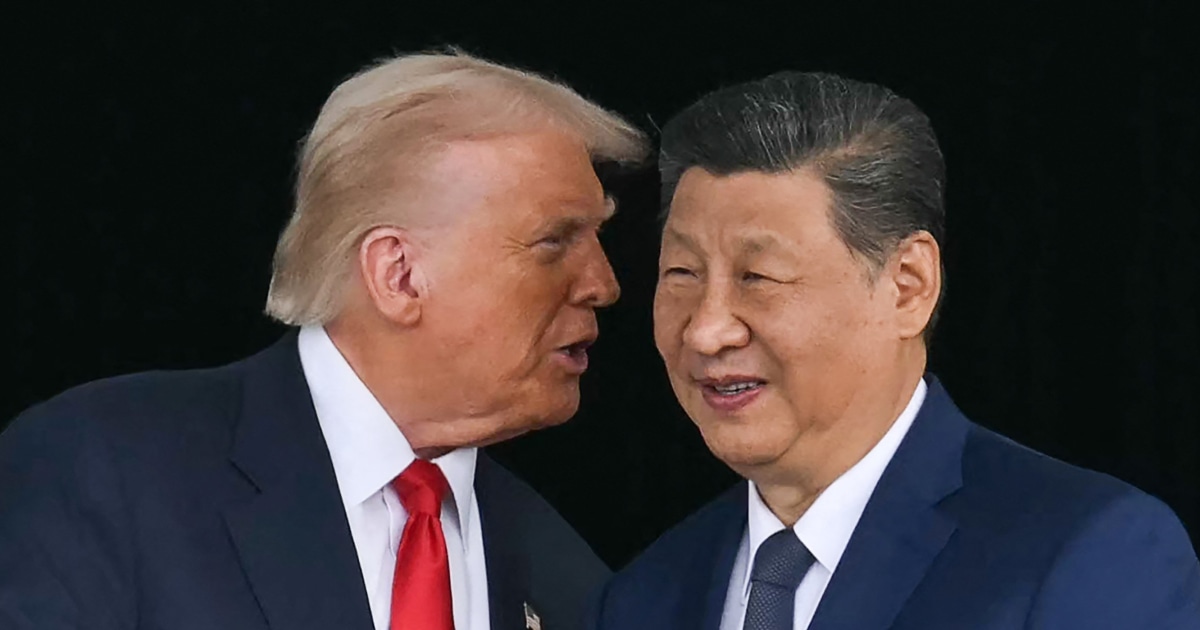
Photo via Washington Examiner

Why Chinese delegations are so rude

Read the original at Washington Examiner ↗
Cite

Rogan, T. (2026, September 25). Why Chinese delegations are so rude. Washington Examiner. https://www.washingtonexaminer.com/opinion/beltway-confidential/4741525/chinese-delegations-ccp-state-media-rude/

Dated when The Aporia collected the article, usually within hours of publication. Check the original for its exact date and byline.

Washington Examiner · collected 2026-09-25 · by Tom Rogan

Quick Summary

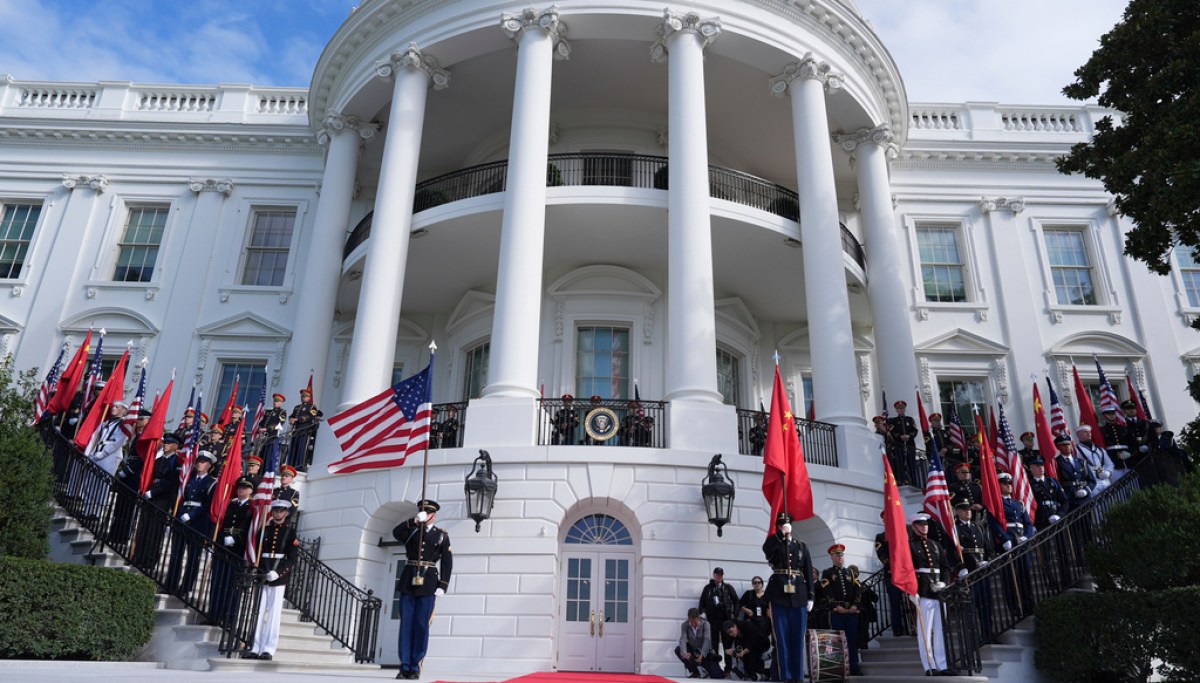
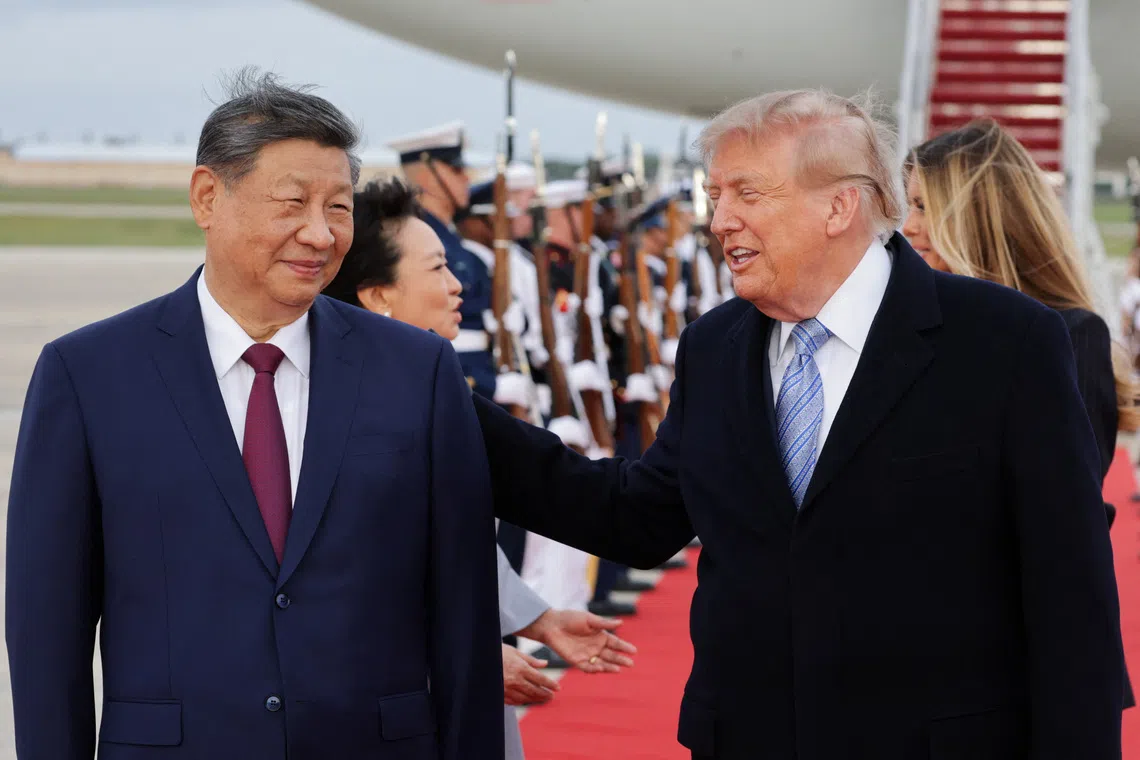
Chinese delegations accompanying President Xi Jinping during his state visit to Washington displayed rude behavior towards U.S. officials and journalists, contradicting the friendly public displays by Trump and Xi themselves. This incident reflects China’s tendency to prioritize its own interests over diplomatic norms, with Chinese officials demanding better photo positions from White House staff and physically pushing through American journalists. Such actions are part of a broader pattern where Chinese diplomats aggressively assert their demands and intimidate local authorities and protesters in various countries.
Written by AI on 2026-09-25, from this article's own text only (the story summary below draws on all the coverage).

AI analysis

Story summary

In October 2018, during Chinese President Xi Jinping's state visit to Washington, D.C., a Chinese state media press officer accompanying him showed disrespect by demanding better camera positions for Chinese photographers at the White House. Despite agreed-upon protocols giving U.S. and foreign media designated spots ahead of time, the official shouted at White House staff and U.S. Secret Service personnel to make special arrangements. This behavior reflected the Chinese Communist Party's expectation of absolute loyalty within its ranks and disregard for diplomatic norms in other countries. Additionally, the Chinese delegation pushed through American journalists inside the White House, further straining relations between the two nations' media teams. Such incidents highlight how publicly visible democratic societies like the U.S. expose and criticize China’s attempts to assert dominance over international interactions.

Written for “Chinese Delegation Behavior” on 2026-11-02, grounded in this article and the 0 other(s) covering the same event.

Story

📰 Chinese Delegation Behavior
Politics · 1 article(s) covering the same event.

Compared with similar articles

This article reads leans strongly right and hedges 4% of its claims. Each row says how that neighbour differs.
The Straits Times
⚖️ Leans right further left than this Hedges 9 of 27 claims Outlet record 66/100
“While both articles discuss Trump and Xi's interactions, Article A describes the welcoming ceremony on arrival, while Article B focuses on subsequent impolite behavior by Chinese delegates during the visit.”
South China Morning Post
Hedges 3 of 6 claims Outlet record 63/100
“Article A discusses why Xi Jinping and his first lady brought flasks to a White House banquet, while Article B criticizes the behavior of the Chinese delegation during the visit as being rude.”
South China Morning Post
Hedges 1 of 3 claims Outlet record 63/100
“The articles describe different aspects of interactions between China and the US, but they do not refer to the exact same incident or occurrence.”
ABC News (US)
⚖️ Leans right further left than this Hedges 6 of 38 claims Outlet record 70/100
“While both articles mention Trump and Xi's meeting, Article A focuses on tensions over AI, trade, and Iran during their visit, whereas Article B discusses specific incidents of rudeness by the Chinese delegation unrelated to those broader issues.”
Al Jazeera
Hedges 6 of 63 claims Outlet record 60/100
“While both articles discuss President Xi Jinping's state visit, Article A focuses on the overall context and strategic rivalry between the US and China, while Article B specifically highlights incidents of rudeness by the Chinese delegation. These appear to be different aspects or days of the same broader event rather than describing the exact same specific incident.”
Euronews
Hedges 2 of 20 claims Outlet record 60/100
“While both articles discuss the visit of President Xi Jinping to the United States, Article B focuses on a separate aspect — the behavior of the Chinese delegation — rather than reporting on the same specific incident described in Article A.”
Al Jazeera
Hedges 6 of 63 claims Outlet record 60/100
“Article A discusses the overall context of the US-China trade truce extension and Xi Jinping's state visit, while Article B focuses on a more specific incident during the visit involving Chinese delegation members' behavior towards U.S. officials.”
BBC News
⚖️ Leans left further left than this Hedges 4 of 30 claims Outlet record 68/100
“While both articles discuss President Xi's visit, Article A focuses on the ceremonial aspects and diplomatic relations between Xi and Trump, whereas Article B discusses the behavior of Chinese delegation members during the visit.”
NBC News
⚖️ Leans right further left than this Hedges 10 of 65 claims Outlet record 60/100
“Article A describes Trump's welcoming ceremony for Xi, while Article B focuses on the behavior of the Chinese delegation during their visit.”
Al Jazeera
⚖️ Leans right further left than this Hedges 0 of 13 claims Outlet record 60/100
“While both articles discuss a state dinner between Trump and Xi Jinping, Article B focuses on the behavior of the Chinese delegation rather than the friendly displays mentioned in Article A.”
How this article was measured signals, leaning charts, publisher record, byline, topics and claims

Signals How these are calculated →

Claims extracted
28
sentences that state something as happening or true
Uncertain
4%
1 of 28 hedged ("reportedly", "may", "according to")
Leaning
Leans strongly right
of the writing, not the subject · beta estimate
Publisher signals
70/100
Washington Examiner's corrections and hedging, across everything collected from it. Not a measure of accuracy.
Outlets on this story
1
Politics
Same framing elsewhere
1
articles that frame the event the way this one does
Analyzed 2026-09-25 · how these are computed

How this is being covered How these are calculated →

Article leaning vs. publisher reliability
Source leaning vs. consistency

Publisher

Washington Examiner · 3905 article(s) · 7 correction(s) detected
Running correction rate · 7 correction(s)

Who wrote this

Tom Rogan
15 article(s) here · 1 carrying a prediction
🔮 Absent major spending cuts, the U.K. will suffer a systemic crisis like that afflicting France.
🔮 The violent chaos rippling through France will become the Fifth Republic’s new norm.
🔮 We would not see Irkutsk residents going about their lives normally were authorities concerned about a mass outbreak of either pneumonic plague or some weaponized version of the plague.
🔮 Japanese media report that NMESIS will arrive on Yonaguni for the Oct. 19-29 U.S.-Japan “Keen Sword” military exercise.
2026-10-06 · assertive framing · The US makes a Taiwan NMESIS missile mess for China
🔮 And ignoring the grave defeat such action would impose upon his nation, Putin resurrected his nuclear threats.
🔮 Still, some observers have theorized that the men may have simply been fuel thieves who only appeared to be engaged in more nefarious activity.
🔮 The official would have known this, just as he knew his demands would have restricted U.S. media access.
2026-09-25 · assertive framing · Why Chinese delegations are so rude
🔮 Could these have been birds, and the drone operator simply have been confused?
2026-09-24 · assertive framing · Do new Pentagon sphere UFO videos show alien drones?
🔮 You’d expect EU leaders to want to do all they could to learn from the American experience.
🔮 The deal will see Germany ramp up production of Patriot interceptor munitions, which have predictably been heavily depleted by the war in Iran and transfers to Ukraine.
Also by Tom Rogan
Nothing else under this byline is closely related to this article, so these are simply their most recent.
All 15 articles by Tom Rogan →

Topics

China Chinese U.S. Washington the Chinese Communist Party’s

Subjects

Chinese NORP · 13× China GPE · 4× U.S. GPE · 3× Washington GPE · 2× Donald Trump PERSON · 1× Trump PERSON · 1× White House ORG · 1× Xi Jinping PERSON · 1× the Chinese Communist Party’s ORG · 1× the U.S. Secret Service ORG · 1×

Narrative

Later in 2018, a Chinese reporter for the country’s preeminent (and aptly named) CCTV state broadcaster was arrested after assaulting a participant at the U.K. Conservative Party’s annual political conference.
framing: assertive · carried by 1 article(s) · first seen 2026-09-25
🔮 The official would have known this, just as he knew his demands would have restricted U.S. media access.
2026-09-25 · Washington Examiner
Why Chinese delegations are so rude · assertive framing

Claims (28 extracted, 1 hedged)

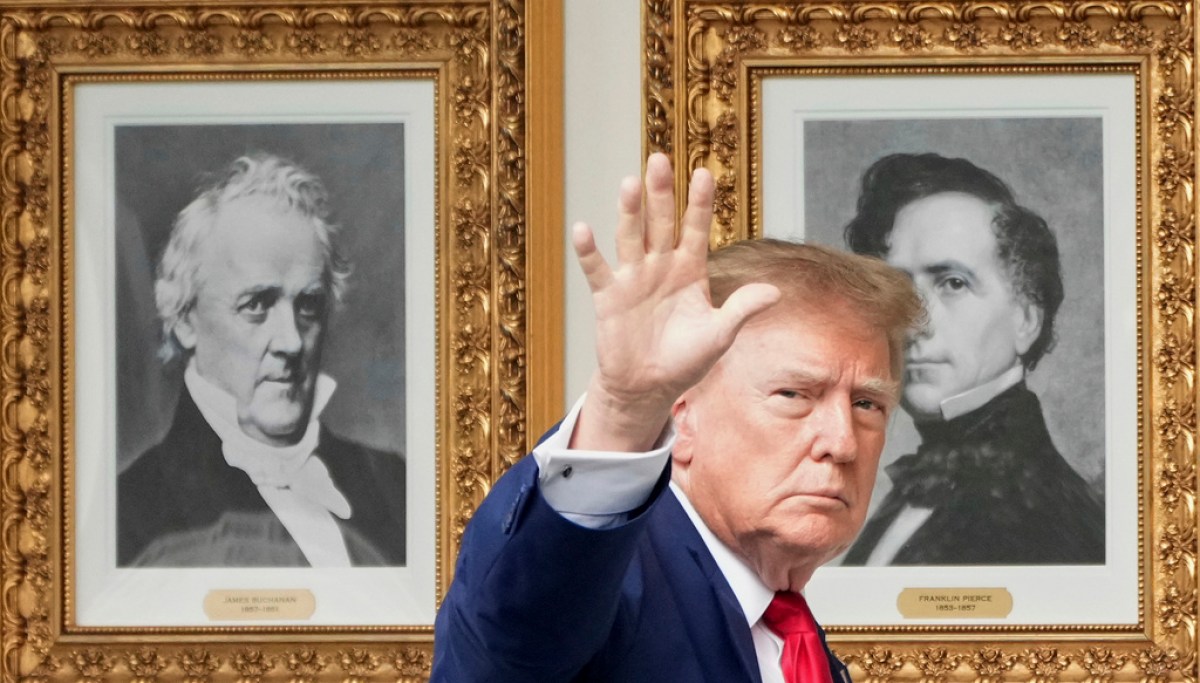
President Donald Trump and Chinese President Xi Jinping have offered friendly public displays during Xi’s state visit to Washington. asserted
Trump → offer → Washington
Once again, however, the Chinese delegation traveling with Xi has shown its practiced disdain for local customs and etiquette. asserted
delegation → travel → customs
This impoliteness reflects the Chinese Communist Party’s demand for absolute loyalty to Xi and its respect only for enforced boundaries. asserted
impoliteness → reflect → boundaries
Numerous videos on Thursday showed a Chinese state media press officer shouting at White House staff and the U.S. Secret Service. asserted
officer → show → staff
The official sought to bully U.S. officials into giving Chinese photographers the best positions to capture Trump and Xi’s arrival. asserted
official → seek → Trump
Under diplomatic protocol, the positions assigned to U.S. and foreign media are agreed upon long before the event. asserted
positions → assign → event
The official would have known this, just as he knew his demands would have restricted U.S. media access. asserted
demands → know → access
But what China agrees to on paper, it always seeks to renegotiate in practice. asserted
it → agree → practice
The Chinese media delegation later barged its way through American journalists in the White House. asserted
delegation → barge → House
The public nature of democratic societies means that when Chinese officials act rudely, it is noticed. asserted
it → mean → societies
As with social media posts about the White House’s incivility, foreign public attention then reinforces negative opinions of China abroad. asserted
attention → reinforce → China
Following Xi’s 2015 state visit to the United Kingdom, Queen Elizabeth II was introduced to a police officer responsible for his security. asserted
II → follow → security
The queen stated, “Bad luck,” adding that the Chinese had been “very rude.” asserted
Chinese → state → luck
The police officer informed the queen that a Chinese delegation had stormed out of a planning meeting, threatening to cancel the entire visit, in protest over how far away protesters would be kept from Xi. asserted
protesters → inform → Xi
At the 2018 APEC summit in Papua New Guinea, four Chinese diplomats forced their way into the office of that country’s foreign minister after he had refused to meet them. asserted
he → force → them
The diplomats had to be removed by security. asserted
diplomats → have → security
Later in 2018, a Chinese reporter for the country’s preeminent (and aptly named) CCTV state broadcaster was arrested after assaulting a participant at the U.K. Conservative Party’s annual political conference. asserted
reporter → name → conference
Far from being criticized for bringing dishonor to China, the reporter was widely praised back home. asserted
reporter → criticize → China
The Chinese Embassy also showed no contrition, blaming the Conservative Party for the incident. asserted
Embassy → show → incident
Chinese diplomats are also often deployed to harass human rights protesters abroad. asserted
diplomats → deploy → protesters
We saw this in Washington on Thursday, when masked men photographed and attempted to intimidate protesters and reporters outside Xi’s hotel. asserted
men → see → hotel
They want those protesting to fear that they, or their family members, will be put on a list. asserted
they → want → list
Similarly, in 2022, a Chinese consul physically attacked protesters in Manchester, England. asserted
consul → attack → Manchester
Last year, a top Chinese diplomat in Japan even threatened to behead Prime Minister Sanae Takaichi. asserted
diplomat → threaten → Takaichi
These antics seem astonishing to Western observers. asserted
antics → seem → observers
And there’s no question that they undermine China’s claim to seek only “win-win cooperation” with the world. uncertain
they → ’ → world
The party is what matters, not the person or people. asserted
what → matter → ?
If it offends Americans, Britons, Papua New Guineans, or, indeed, the world? So be it. asserted
it → offend → Americans

💬Give feedback
🕘History 🎫Support