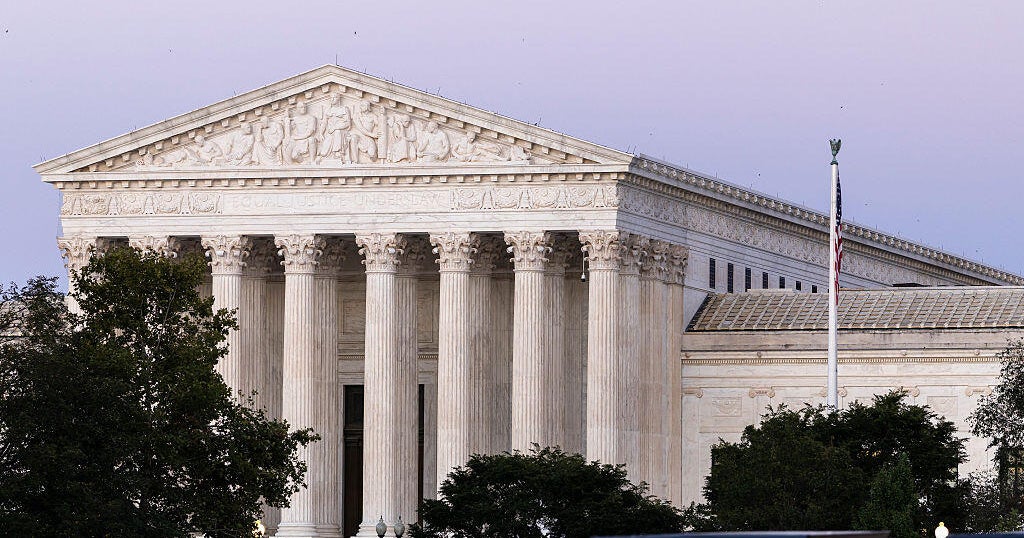
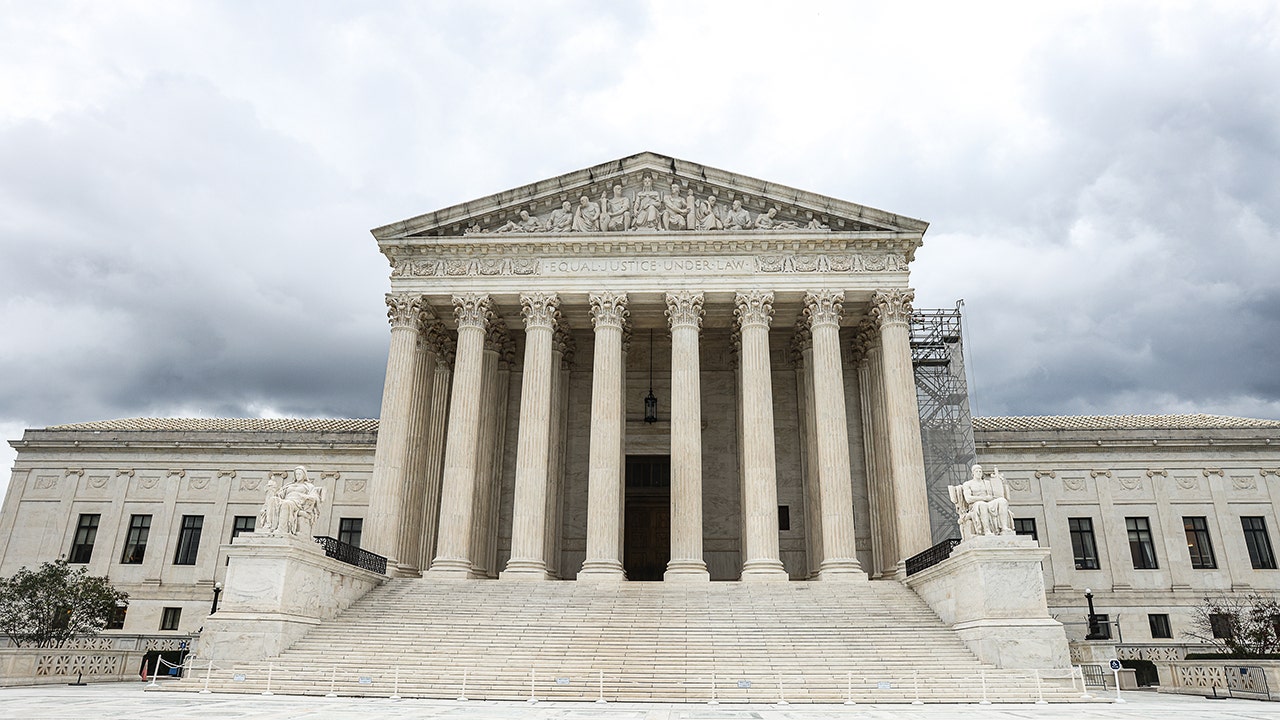
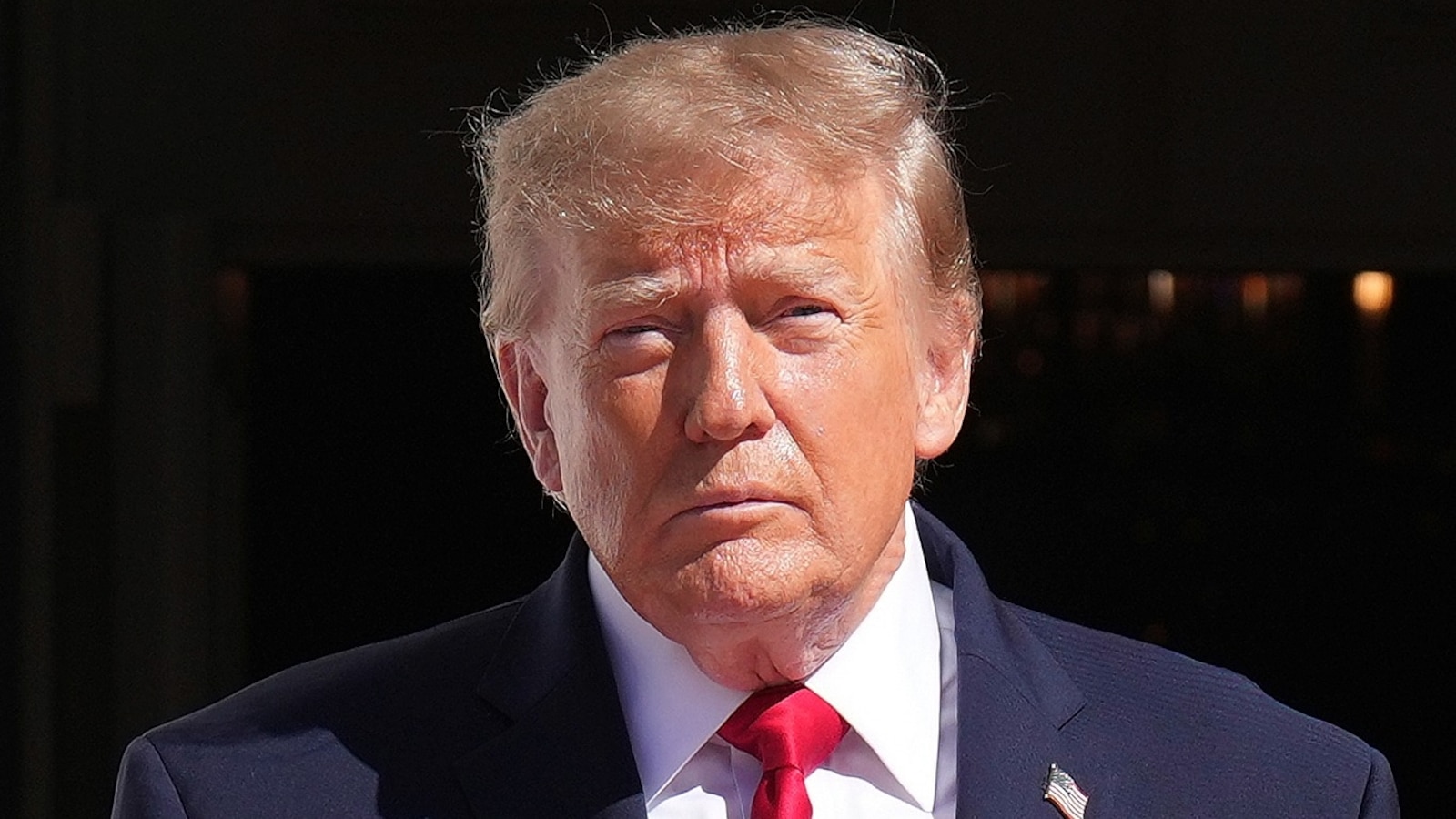
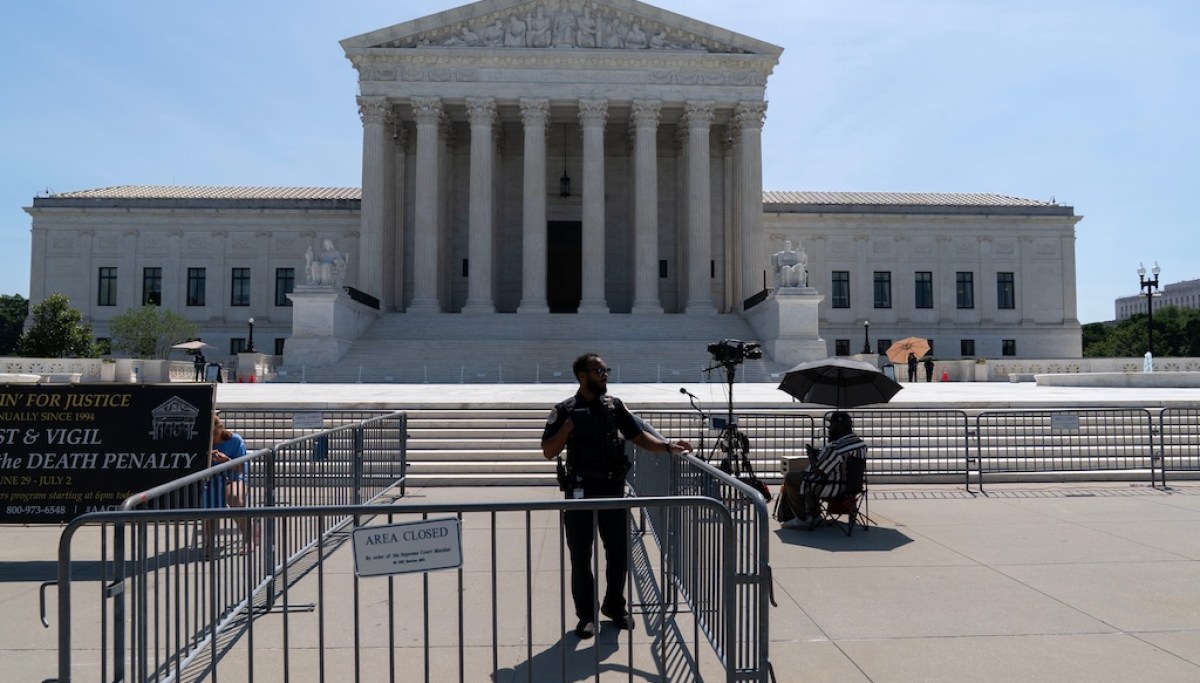
Photo via Toronto Star

Supreme Court lets Trump administration use revamped federal voter eligibility database for now

Read the original at Toronto Star ↗
Cite

Swenson, A. (2026, September 25). Supreme Court lets Trump administration use revamped federal voter eligibility database for now. Toronto Star. https://www.thestar.com/news/world/united-states/supreme-court-lets-trump-administration-use-revamped-federal-voter-eligibility-database-for-now/article_2eddd2a3-9733-510e-beb6-f98217706c65.html

Dated when The Aporia collected the article, usually within hours of publication. Check the original for its exact date and byline.

Toronto Star · collected 2026-09-25 · by Ali Swenson

Quick Summary

The Supreme Court has temporarily allowed states to use a federal voter database, known as SAVE, which verifies citizenship and immigration status, ahead of November’s elections despite legal challenges. This ruling overrules a previous decision by U.S. District Judge Sparkle L. Sooknanan that deemed the program illegal due to privacy concerns. The court’s three liberal justices dissented, arguing that the program could lead to wrongful disenfranchisement of eligible voters. Election law expert David Becker noted that while the impact on upcoming midterms is likely limited due to existing protections against voter purging close to elections, the decision allows states to voluntarily use SAVE as one tool among others for maintaining accurate voter rolls.
Written by AI on 2026-09-27, from this article's own text only (the story summary below draws on all the coverage).

AI analysis

Story summary

On Friday, the Supreme Court issued a 6-3 decision allowing the Trump administration to temporarily use the Systematic Alien Verification for Entitlements (SAVE) database during the appeal process. The SAVE system was expanded last year to help states verify voter eligibility by accessing citizenship and Social Security data, but it faced legal challenges due to privacy concerns and potential inaccuracies in the information provided. Justice Sonia Sotomayor, Elena Kagan, and Ketanji Brown Jackson dissented against this ruling. The decision has been met with support from several Republican-led states like Texas, which see it as a means of ensuring accurate voter rolls ahead of the November midterms. However, some election law experts warn that the immediate impact on upcoming elections may be limited due to federal laws prohibiting systematic purges within 90 days before an election.

Written for “SupremeCourtRulesOnVoterDatabaseUse” on 2026-10-31, grounded in this article and the 13 other(s) covering the same event.

Story

📰 SupremeCourtRulesOnVoterDatabaseUse
Politics · 14 article(s) covering the same event. Compare every outlet's account →

Compared with similar articles

This article reads leans left and hedges 21% of its claims. Each row says how that neighbour differs.
CBS News
⚖️ Leans right further right than this Hedges 1 of 7 claims Outlet record 66/100
Fox News
Hedges 0 of 4 claims Outlet record 69/100
New York Post
Hedges 0 of 6 claims Outlet record 66/100
ABC News (US)
⚖️ Centre further right than this Hedges 2 of 8 claims Outlet record 70/100
Washington Examiner
⚖️ Leans right further right than this Hedges 4 of 16 claims Outlet record 70/100
The Independent
⚖️ Leans right further right than this Hedges 5 of 26 claims Outlet record 59/100
CBC News
⚖️ Leans right further right than this Hedges 5 of 22 claims Outlet record 60/100
The Independent
⚖️ Leans strongly left further left than this Hedges 8 of 22 claims Outlet record 59/100
CBS News
⚖️ Leans right further right than this Hedges 0 of 2 claims Outlet record 66/100
Al Jazeera
⚖️ Leans left Hedges 2 of 17 claims Outlet record 60/100
How this article was measured signals, leaning charts, publisher record, byline, topics and claims

Signals How these are calculated →

Claims extracted
34
sentences that state something as happening or true
Uncertain
21%
7 of 34 hedged ("reportedly", "may", "according to")
Leaning
Leans left
of the writing, not the subject · beta estimate
Publisher signals
64/100
Toronto Star's corrections and hedging, across everything collected from it. Not a measure of accuracy.
Outlets on this story
14
Politics
Same framing elsewhere
1
articles that frame the event the way this one does
Analyzed 2026-09-27 · how these are computed

How this is being covered How these are calculated →

Article leaning vs. publisher reliability
Source leaning vs. consistency

Publisher

Toronto Star · 10694 article(s) · 27 correction(s) detected
Running correction rate · 27 correction(s)
2026-10-26
Correction
2026-10-24
Correction
2026-10-07
Correction
2026-09-24
Correction

Who wrote this

Ali Swenson
14 article(s) here · 1 carrying a prediction
🔮 Election monitors deployed by the federal government will be drawn from the Federal Bureau of Prisons, the Bureau of Alcohol, Tobacco, Firearms and Explosives (ATF) and the Drug Enforcement Administration (DEA).
🔮 WASHINGTON (AP) — Daemien Williams used to trust U.S. election results, but not anymore.
🔮 With early voting already underway, a question worrying some voters is what role — if any — immigration enforcement officers might have at polling places through Election Day.
🔮 The actual amount spent could be significantly more, depending on whether networks classified the ads as political.
🔮 “It would not have been something that I would have done.
🔮 The center’s board voted to close the venue indefinitely after the incident, which President Donald Trump said could have claimed “innocent lives” had it been open at the time.
🔮 The actual amount spent could be significantly more, depending on whether networks classified the ad as a political ad.
🔮 He said since the program is voluntary and DHS itself has admitted the data is not perfect, “states may find this to be a useful tool used along with other tools to keep their lists up-to-date.”
🔮 Becker noted that since participation is optional and DHS acknowledges its data is imperfect, "states may find this to be a useful tool used along with other tools to keep their lists up-to-date."
🔮 While rural voters seem unlikely to support Democrats on a large scale, Trump and the Republican Party could face challenges with them in November.
Also by Ali Swenson
Nothing else under this byline is closely related to this article, so these are simply their most recent.
All 14 articles by Ali Swenson →

Topics

Americans DHS NEW YORK SAVE The Supreme Court

Subjects

DHS ORG · 4× Americans NORP · 3× Texas GPE · 2× The Supreme Court ORG · 2× David Becker PERSON · 1× Department of Homeland Security ORG · 1× Donald Trump PERSON · 1× NEW YORK GPE · 1× Republican NORP · 1× the Center for Election Innovation and Research ORG · 1×

Narrative

The immediate impact on the upcoming midterms is likely limited because existing law blocks most states from systematically purging voters from their rolls within 90 days of an election, said David Becker, an election law expert who leads the Center for Election Innovation and Research.
framing: mixed · carried by 1 article(s) · first seen 2026-09-27
🔮 He said since the program is voluntary and DHS itself has admitted the data is not perfect, “states may find this to be a useful tool used along with other tools to keep their lists up-to-date.”

Claims (34 extracted, 7 hedged)

The Supreme Court on Friday lifted restrictions on a controversial federal voter database before November’s elections, granting President Donald Trump a temporary win in his aggressive campaign against noncitizen voting. asserted
Court → lift → voting
The court’s three liberal-leaning justices publicly dissented from the decision. asserted
justices → lean → decision
The emergency order allows states, for now, to use the Department of Homeland Security program, called Systematic Alien Verification for Entitlements, or SAVE, in their efforts to verify the eligibility of voters on their rolls. asserted
states → allow → rolls
The immediate impact on the upcoming midterms is likely limited because existing law blocks most states from systematically purging voters from their rolls within 90 days of an election, said David Becker, an election law expert who leads the Center for Election Innovation and Research. asserted
who → block → Innovation
He said since the program is voluntary and DHS itself has admitted the data is not perfect, “states may find this to be a useful tool used along with other tools to keep their lists up-to-date.” uncertain
this → say → date
The court’s order puts on hold a federal judge’s June ruling that had deemed the Republican administration’s recently revamped version of SAVE illegal. asserted
version → put → SAVE
U.S. District Court Judge Sparkle L. Sooknanan had blocked the use of the tool, saying it violated Americans’ privacy rights and could result in voters being wrongly removed from the rolls. uncertain
voters → block → rolls
A federal appeals court let her order stand. asserted
order → let → ?
But the Supreme Court majority found that a 1996 law explicitly allows DHS to get information about citizenship and immigration from other federal agencies. asserted
DHS → find → agencies
The federal government also has “an obligation to respond” to states seeking to verify citizenship. asserted
government → have → citizenship
“The order below prevents the Federal Government from using the program it believes is best suited to the task,” the majority wrote in the unsigned order. asserted
majority → prevent → order
Justice Ketanji Brown Jackson dissented, joined by Justices Elena Kagan and Sonia Sotomayor. asserted
Jackson → dissent → Kagan
The database has long been seen to fall under federal privacy laws, she wrote, and there are real risks that legitimate voter registrations could be mistakenly revoked. uncertain
registrations → see → laws
“The harm caused by burdening or disenfranchising even a few lawful voters outweighs the nonexistent harm that the Government experiences when it is prevented from taking an action that it likely lacks the authority to take,” Jackson wrote. asserted
Jackson → cause → authority
The plaintiffs and counsel team in the case called the ruling “profoundly disappointing” and said it puts “millions of Americans at risk of being unlawfully targeted by the administration’s unreliable voter purge database” before the midterms. asserted
it → call → midterms
“However, this case is not over,” their statement read. asserted
statement → read → ?
“The D.C. district court ruled that the expanded SAVE program violated multiple laws. asserted
program → rule → laws
We will be doing everything in our power to protect Americans’ voting and privacy rights by ensuring that the district court decision stands.” asserted
decision → do → rights
The White House did not immediately respond to a message seeking comment. asserted
House → respond → comment
The SAVE program was created under an immigration law mandating that DHS help federal, state and local agencies prevent government benefits from going to noncitizens. asserted
agencies → create → noncitizens
The Trump administration last year moved to significantly expand its search abilities. asserted
administration → move → abilities
Since then, at least 67 million registrations have been scanned through the program, but critics worry it could end up purging valid voters from the rolls. uncertain
it → scan → rolls
Some registrants have already been wrongly flagged. asserted
registrants → flag → ?
In Travis County, Texas, for example, officials said they investigated 97 voters flagged by SAVE as apparent noncitizens and found that at least 10% of them — and likely up to 21% — were U.S. citizens. asserted
% → say → them
The county urged the Supreme Court to reject the administration’s appeal, while the state of Texas submitted its own brief defending the database. asserted
state → urge → database
Even though the use of the SAVE program has been blocked for months, the administration said in court filings that DHS officials have continued using Social Security Administration data “in certain cases to verify information and help determine whether illegal voting may have occurred.” uncertain
voting → block → information
DHS in August launched its own investigation to find noncitizen voters on state rolls, according to a federal whistleblower statement that said the effort is rushed, filled with errors and potentially violates state laws. uncertain
effort → launch → laws
DHS has defended that investigation as being conducted “diligently and professionally.” asserted
DHS → defend → investigation
The effort to create a national voter list is among numerous steps Trump has taken during his second term to try to overhaul the way elections are run. asserted
elections → create → way
Most of those steps have been blocked by various courts, in part because the Constitution gives states and Congress the authority to set election rules, but provides no such power to the president. asserted
Constitution → block → president
In mid-September, the Supreme Court rejected a bid from Trump to restrict mail ballot procedures before the midterms. asserted
Court → reject → midterms
Research shows that noncitizen voting, which is already illegal and punishable as a potential felony that could lead to deportation, is exceptionally rare. uncertain
that → show → deportation
But Trump has remained fixated on the idea that massive numbers of noncitizens are voting in U.S. races. asserted
numbers → remain → races
Associated Press writers Lindsay Whitehurst in Washington and John Hanna in Topeka, Kansas contributed to this report. asserted
Whitehurst → contribute → report

💬Give feedback
🕘History 🎫Support