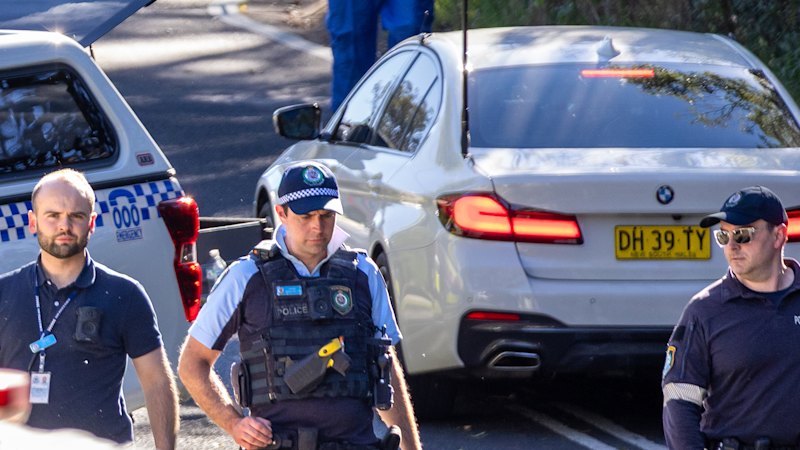
A horror week of five suspected domestic violence deaths has exposed a key gap in the system: if the offender isn't known to police, who is meant to spot them?
Four people, including three women and a child, were killed in suspected domestic violence attacks in New South Wales in the space of 24 hours last weekend.
asserted
people → suspect → hours
Police said none of the alleged offenders were known to them.
asserted
none → say → them
By Thursday, that number had climbed to five, after a one-year-old stabbed in the Blue Mountains died in hospital.
asserted
old → climb → hospital
The deaths have raised questions about how authorities can act when alleged offenders aren't on the police's radar.
asserted
offenders → raise → radar
The latest Bureau of Crime Statistics and Research (BOCSAR) results show more than 38,800 domestic violence-related assaults in the 12 months to June 26, up 3.4 per cent over the past decade.
asserted
results → show → decade
Domestic Violence Death Review Team data shows that since 2000, 351 women, 230 men and 137 children have been killed in domestic violence-related homicides in NSW.
asserted
women → show → NSW
But police can't investigate what isn't reported.
asserted
what → investigate → ?
So how do you intervene when no-one knows there's a problem?
asserted
one → intervene → ?
The 2021-23 Domestic Violence Death Review found half the men who killed a female partner had a history of using DV that had never been reported to police.
asserted
that → find → police
Macquarie University criminologist and former police detective Vince Hurley believes the number of offenders unknown to police is much higher.
asserted
number → believe → police
"This notion that police always know who the offender is, is a bit of a misconception," he said.
asserted
he → know → misconception
"I would say probably 75 per cent, if not more, of domestic violence offenders are not known by police."
asserted
cent → say → police
Dr Hurley said that information may be recorded by other agencies but not shared with police.
"
uncertain
information → say → police
It might be known to health officials, such as hospitals or GPs, but that information is not necessarily passed on to police because of privacy regulations.
uncertain
information → know → regulations
"It's impossible to police what you don't know."
As part of Dr Hurley's research into domestic violence, he has reviewed hundreds of cases, with three key underlying issues identified: alcohol, drugs and mental health.
asserted
issues → police → alcohol
He said untreated mental health conditions could contribute to offending, and services were often out of reach.
uncertain
services → say → reach
"Most people who are wealthy might be able to afford to make a psychologist appointment and pay $300 an hour," he said.
uncertain
he → afford → 300
It is not known if mental health played a role in any of the deaths last weekend.
asserted
health → know → deaths
NSW Mental Health Minister Rose Jackson said it was important to distinguish between antisocial behaviour and people suffering from mental ill health.
asserted
it → say → health
"Failing to do so may inadvertently diminish the personal responsibility of those who perpetrate violence.
uncertain
who → fail → violence
It also risks unfairly stigmatising people living with genuine mental ill health," she said.
asserted
she → risk → health
What's missing from the DV response?
asserted
What → miss → response
Spotting the signs early and intervening is key to stopping domestic violence before it escalates, according to national peak body No to Violence.
uncertain
it → spot → Violence
But the body said that isn't where the funding is going.
asserted
funding → say → ?
General manager Chris Lacey said just 3.6 per cent of national domestic violence funding was spent on early intervention.
asserted
cent → say → intervention
He said the system was heavily focused on helping victim survivors, but it should also invest in engaging men earlier.
asserted
it → say → men
The response to domestic and family violence is split into two areas — prevention and response.
asserted
response → split → areas
Mr Lacey said there was a big gap in between, with very few early intervention programs on offer.
asserted
Lacey → say → offer
"That's the space where we need to be stepping into," he said.
asserted
he → need → where
"When someone at a hospital has a man present and they can identify that this man is at risk of committing or being violent, that there is a referral pathway directly from there for that man to get to tap in to services.
asserted
man → identify → services
At the moment, those services are very hard to find and very hard to get into.
asserted
services → find → moment
"We need to be filling that massive gap.
asserted
We → need → gap
The NSW Domestic Violence Death Review Team, which analysed more than 20 years of domestic violence homicides in a report tabled in parliament in 2024, found two in three women killed were killed by an ex-partner or at the point of separating from their partner.
asserted
women → analyse → partner
The same report found three-quarters of the men who killed a female partner had used three or more different types of domestic violence against her during the relationship, behaviour that is often controlling rather than physical.
asserted
that → find → relationship
Coercive control became a criminal offence in NSW in July 2024.
asserted
control → become → July
According to BOCSAR's latest coercive-control data, police have recorded 682 incidents since the offence was criminalised, and 42 charges have been laid.
uncertain
charges → accord → incidents
The report found nearly half the victims (47 per cent) had a prior history of domestic violence recorded by police, and 31 per cent had previously experienced domestic violence involving the same alleged offender.
asserted
cent → find → offender
Mr Lacey said early warning signs of escalating behaviours can emerge during visits to a GP, hospital or other services.
asserted
signs → say → GP
"There are signs around drinking heavily, or going through a major life event, which can put more pressures on them," he said.
asserted
he → be → them
"That is generally a critical opportunity to identify the risk that exists and try to intervene before it escalates."
asserted
it → identify → risk
…and 11 more, not listed.
 The Aporia