Photo via Times of India

In 1999, scientists dropped 45 tons of wollastonite over a 29-acre New Hampshire watershed

Read the original at Times of India ↗
Cite

TOI Science Desk. (2026, September 3). In 1999, scientists dropped 45 tons of wollastonite over a 29-acre New Hampshire watershed. Times of India. https://timesofindia.indiatimes.com/science/in-1999-scientists-dropped-45-tons-of-wollastonite-over-a-29-acre-new-hampshire-watershed-to-replace-calcium-lost-to-acid-rain-by-2013-it-was-exporting-30-times-more-inorganic-nitrogen-than-nearby-watersheds/articleshow/133735970.cms

Dated when The Aporia collected the article, usually within hours of publication. Check the original for its exact date and byline.

Times of India · collected 2026-09-03 · by TOI Science Desk

Quick Summary

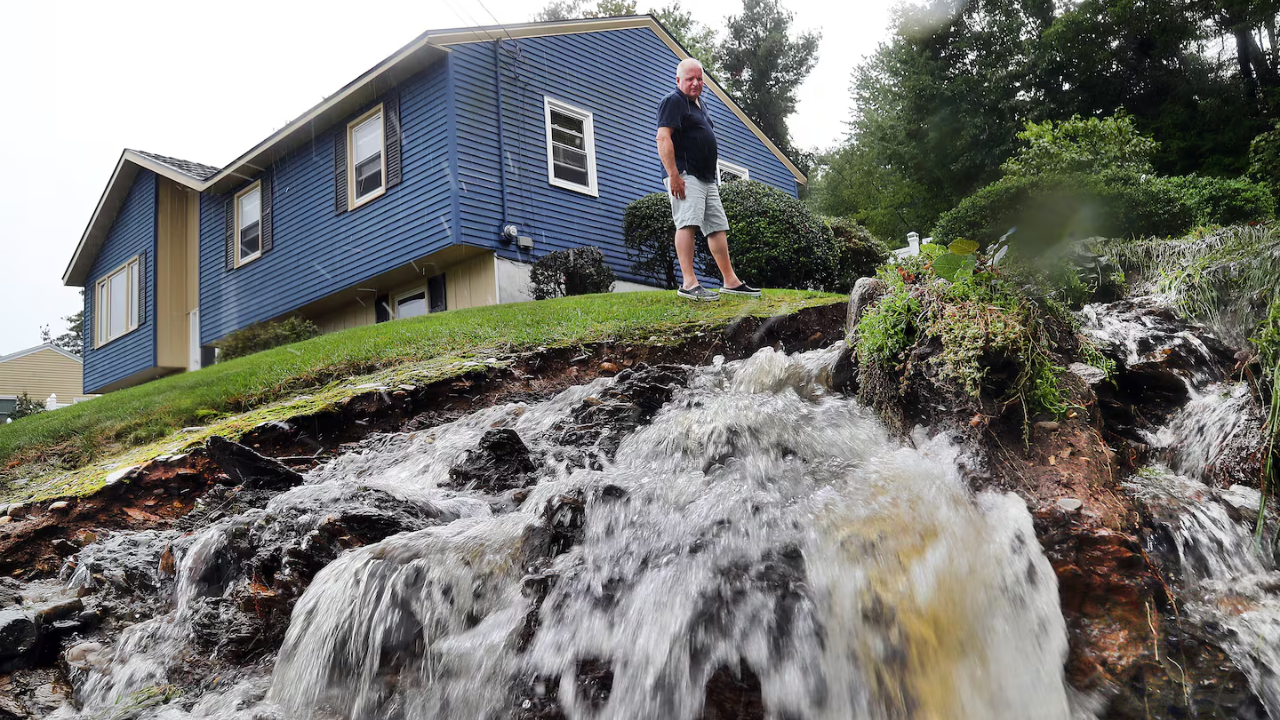
In October and November 1999, researchers dropped about 45 tons of wollastonite over a 29-acre New Hampshire watershed as part of an effort to restore a damaged forest. The treatment was meant to replace nutrients lost due to acid rain pollution, which had weakened tree species and slowed growth. However, the project ultimately led to a significant increase in nitrogen flowing into nearby streams: by 2013, the treated catchment was sending 30 times more inorganic nitrogen into its streams than untreated forest areas. The findings were published in the journal Proceedings of the National Academy of Sciences.
Written by AI on 2026-09-03, from this article's own text only (the story summary below draws on all the coverage).

AI analysis

Story summary

Scientists conducted an experiment in New Hampshire, dropping 45 tons of a calcium-rich mineral called wollastonite over a 29-acre area in 1999 to restore an American forest damaged by acid rain. The treatment was meant to replace nutrients lost due to decades of industrial pollution, and it initially succeeded in improving tree growth and leaf health. However, 30 times more inorganic nitrogen flowed into nearby streams from the treated valley than from untreated areas by 2013**, contradicting long-held assumptions about how forests handle excess nutrients. The findings were published in the Proceedings of the National Academy of Sciences (PNAS) and challenged established ideas on forest ecosystems.

Written for “Wollastonite Experiment” on 2026-11-02, grounded in this article and the 0 other(s) covering the same event.

Story

📰 Wollastonite Experiment
Science · 1 article(s) covering the same event.

Compared with similar articles

Nothing to compare against. No article is close enough to this one for the pipeline to have linked or judged the pair.
How this article was measured signals, leaning charts, publisher record, byline, topics and claims

Signals How these are calculated →

Claims extracted
35
sentences that state something as happening or true
Uncertain
14%
5 of 35 hedged ("reportedly", "may", "according to")
Leaning
not political
takes no side on a contested political question
Publisher signals
59/100
Times of India's corrections and hedging, across everything collected from it. Not a measure of accuracy.
Outlets on this story
1
Science
Same framing elsewhere
1
articles that frame the event the way this one does
Analyzed 2026-09-03 · how these are computed

How this is being covered How these are calculated →

Article leaning vs. publisher reliability
Source leaning vs. consistency

Publisher

Times of India · 3898 article(s) · 3 correction(s) detected
Running correction rate · 3 correction(s)

Who wrote this

TOI Science Desk
302 article(s) here · 1 carrying a prediction
🔮 The mathematicians at the University of California, Davis, argue that the answer may already lie within Einstein’s own equations and that an invisible form of energy may not be needed at all.
🔮 The work will be carried out by the West Tennessee River Basin Authority, which is preparing a plan to restore the river and the land around it.
🔮 Cornell University scientists have developed genetically engineered tomato plants that turn red-purple when nitrogen becomes scarce, giving farmers a visible warning that crops may need fertiliser.
🔮 By studying these crystals and other mineral grains, scientists could establish the meteorite's age and identify later changes caused by water.
🔮 Centuries later, bronze objects found in Scandinavia would preserve chemical signatures consistent with the metals produced at this Spanish site, offering evidence of connections that may have crossed much of Europe.
🔮 Deposited impurities and staining may also have contributed, while low temperatures and humidity could cause the fabric to crack.
🔮 Two male king cobras meeting during the breeding season may engage in a prolonged contest, using their bodies to wrestle for control rather than relying on the venomous strikes associated with these snakes.
🔮 She explored whether an inexpensive device could capture airborne genetic material and support the detection of bacterial pathogens.
🔮 This control may help it maintain its orientation and move along a narrow path without losing its bearings.
🔮 The university says the sculpture will subsequently go on permanent display at its Turner Museum of Glass.
Wire or desk byline, not an individual reporter.
Also by TOI Science Desk
Nothing else under this byline is closely related to this article, so these are simply their most recent.
All 302 articles by TOI Science Desk →

Topics

American New Hampshire PNAS Proceedings of the National Academy of Sciences the Hubbard Brook Ecosystem Study

Subjects

New Hampshire GPE · 2× PNAS ORG · 2× American NORP · 1× Proceedings of the National Academy of Sciences ORG · 1× PubMed ORG · 1× the Hubbard Brook Ecosystem Study ORG · 1×

Narrative

Although adding calcium successfully reversed signs of forest decline and improved tree health, the later increase in nitrogen runoff showed that restoration can also create problems downstream, including poorer water quality and excess nutrients in aquatic ecosystems.
framing: assertive · carried by 1 article(s) · first seen 2026-09-03
🔮 To see whether replacing the lost calcium could help, scientists launched a whole-ecosystem restoration project.

Claims (35 extracted, 5 hedged)

A large-scale effort to restore an American forest damaged by acid rain had an unexpected environmental effect when added nutrients caused a huge increase in nitrogen flowing into nearby streams. asserted
nutrients → restore → streams
In October and November 1999, researchers spread about 45 short tons (40 metric tonnes) of a calcium-rich mineral over a 29-acre (11.8-hectare) catchment in New Hampshire. asserted
researchers → spread → Hampshire
The treatment was meant to replace important soil nutrients that had been washed away by decades of industrial pollution. asserted
that → mean → pollution
It worked at first, improving tree growth and leaf health over the next decade. asserted
It → work → decade
But long-term monitoring later revealed a surprising change: by 2013, the treated valley was sending 30 times more inorganic nitrogen into its streams than nearby untreated forest catchments. asserted
valley → reveal → catchments
The findings, published in the journal Proceedings of the National Academy of Sciences (PNAS), challenged long-standing ideas about how forest ecosystems handle nutrients. asserted
ecosystems → publish → nutrients
Scientists had expected a healthier, faster-growing forest to take in and store more nitrogen instead of allowing it to escape into nearby waterways. asserted
it → expect → waterways
An experimental intervention in the White Mountains The research was carried out at Watershed 1 in the Hubbard Brook Experimental Forest, in the White Mountains of New Hampshire. asserted
research → carry → Hampshire
Records from the Hubbard Brook Ecosystem Study show that acid deposition during the mid-to-late 20th century removed large amounts of base cations, especially calcium, from the soil. asserted
deposition → show → soil
The loss of calcium weakened important tree species such as sugar maple and red spruce and slowed forest growth across the area. asserted
loss → weaken → area
To see whether replacing the lost calcium could help, scientists launched a whole-ecosystem restoration project. uncertain
scientists → see → project
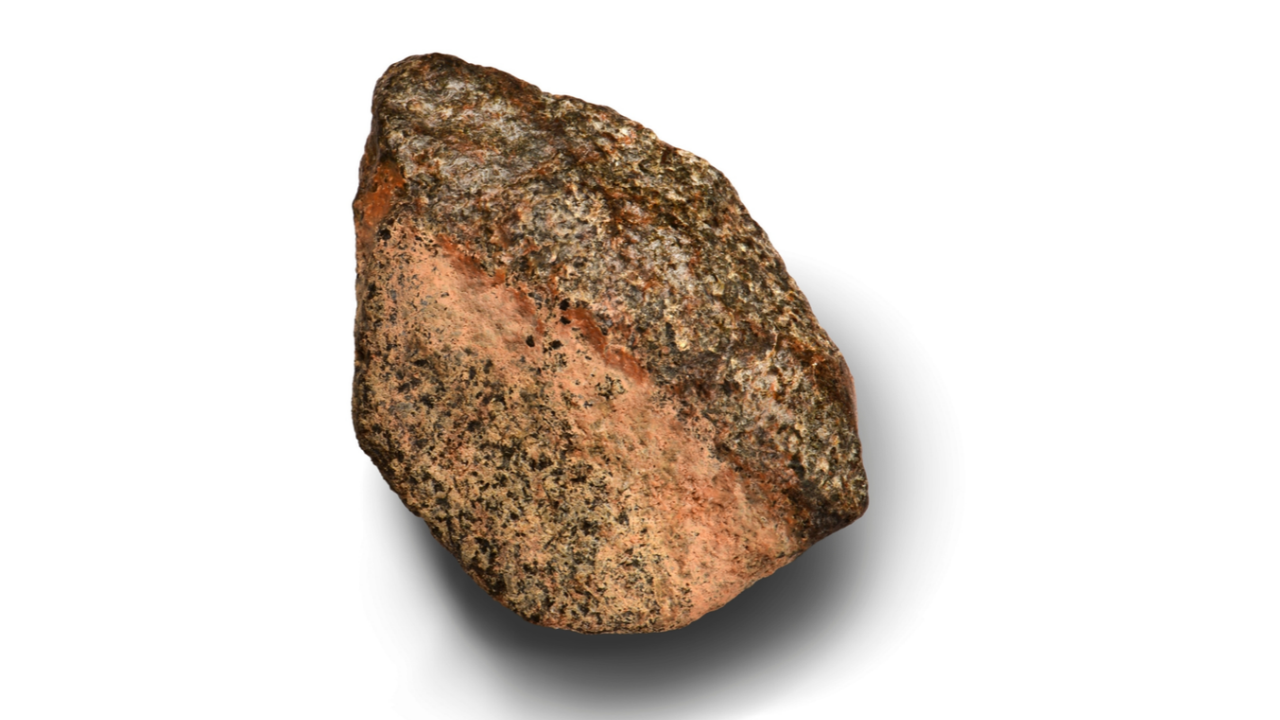
Using a helicopter, they spread 45 tons of pelletised wollastonite, a natural calcium silicate mineral, across the drainage basin. asserted
they → use → basin
The treatment added about 1,189 kilogrammes of calcium per hectare, with the goal of bringing soil base saturation back to levels estimated before industrial pollution. asserted
treatment → add → pollution
The early results matched what researchers expected. asserted
researchers → match → what
Soil acidity fell, the stream became better able to neutralise acids, and forest plants recovered. asserted
plants → fall → acids
Sugar maples developed larger leaf canopies, while native red spruce trees became more tolerant of cold winter conditions. asserted
trees → develop → conditions
Unintended changes in stream chemistry The experiment took an unexpected turn about a decade after the mineral was added. asserted
mineral → take → turn
Long-term monitoring of the streams showed a sharp rise in dissolved inorganic nitrogen, mainly nitrate. asserted
monitoring → show → nitrogen
While nearby reference forests at Hubbard Brook continued to show a long-term decline in nitrogen exports, Watershed 1 began moving in the opposite direction. asserted
Watershed → continue → direction
By 2013, annual nitrate losses from the treated catchment had risen to levels 30 times higher than those in neighbouring untreated watersheds. asserted
losses → treat → watersheds
The amount of nitrogen being released was similar to levels normally seen after major environmental disturbances, including complete forest clearing or severe ice storms. asserted
amount → release → clearing
The discovery challenged a basic idea in ecosystem science. asserted
discovery → challenge → science
Healthy forests with strong plant growth are generally expected to act as nutrient sinks because growing trees need large amounts of nitrogen. asserted
trees → expect → nitrogen
Instead, Watershed 1 changed from holding onto nitrogen to releasing large amounts of it. asserted
Watershed → change → it
The shift pointed to an important difference between what was happening above ground in the trees and what was happening below ground in the soil. asserted
what → point → soil
According to the PNAS study, which is also indexed in PubMed (PMID: 27335456), adding calcium changed the way soil microbes processed organic matter on the forest floor. uncertain
microbes → accord → floor
The extra calcium increased microbial activity and sped up the breakdown of old leaves and other organic material. asserted
calcium → increase → leaves
This released inorganic nitrogen faster than the growing trees could take it up. uncertain
trees → release → it
Changes in soil chemistry may also have reduced the soil's ability to store organic carbon, which could have added to the release of nitrate into streams. uncertain
which → reduce → streams
The researchers said the experiment showed how forest restoration can cause unexpected changes throughout an ecosystem, including in soil microbes and nutrient cycles. asserted
restoration → say → microbes
Lessons for environmental management The findings offer important lessons for land managers considering calcium additions, liming or other chemical treatments to repair damaged ecosystems. asserted
findings → offer → ecosystems
Although adding calcium successfully reversed signs of forest decline and improved tree health, the later increase in nitrogen runoff showed that restoration can also create problems downstream, including poorer water quality and excess nutrients in aquatic ecosystems. asserted
restoration → add → ecosystems
The Hubbard Brook experiment also shows why long-term monitoring is important. asserted
monitoring → show → ?
If researchers had stopped studying the site after five years, the project might have been considered a complete success. uncertain
project → stop → years
Continued monitoring more than a decade later revealed the delayed release of nitrogen and gave scientists a clearer picture of how complex forest ecosystems respond to human intervention. asserted
ecosystems → reveal → intervention

💬Give feedback
🕘History 🎫Support