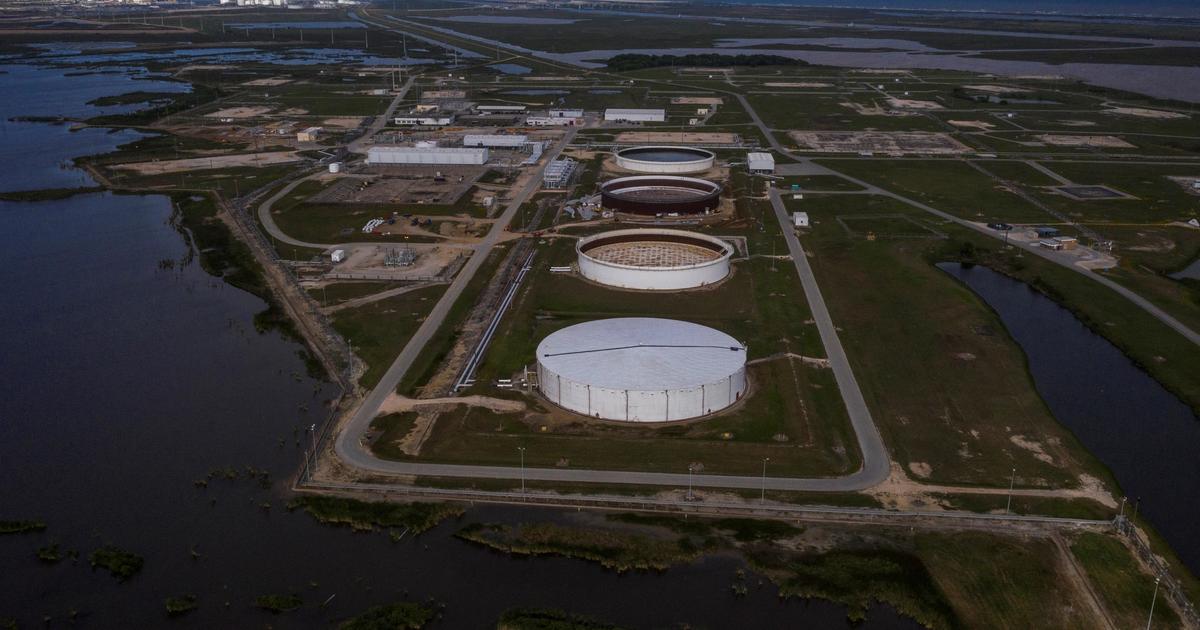
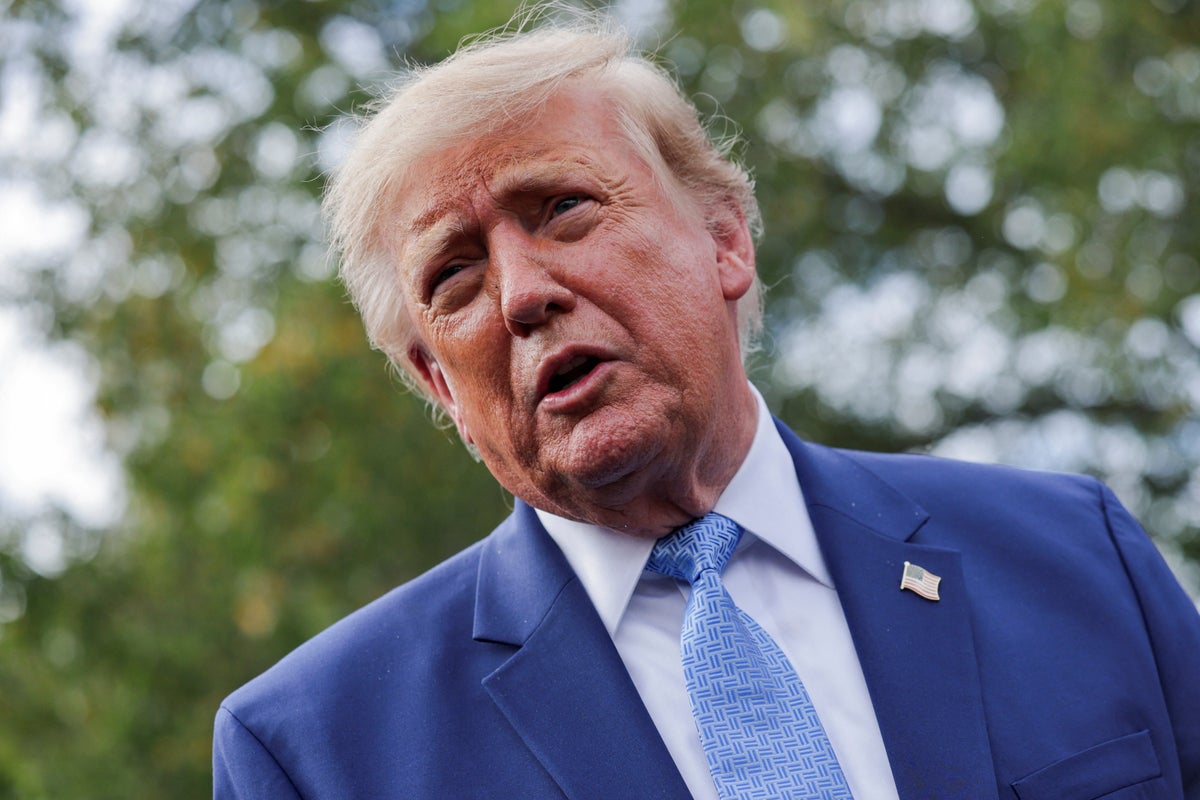
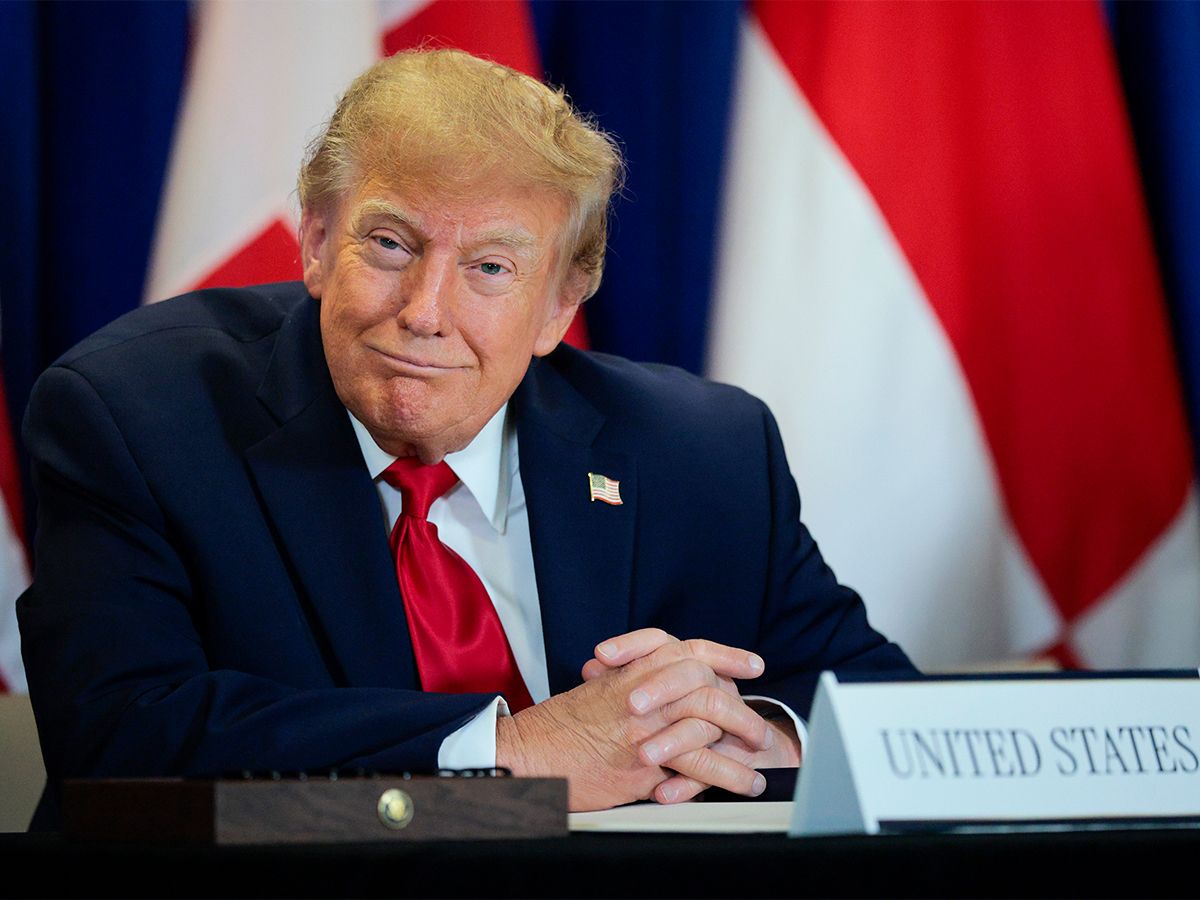
Donald Trump has long coveted the oilfields of other nations and declared an agreement with Venezuela to be “the biggest oil deal in world history”.
asserted
agreement → covet → history
But the deal, reached after the US seized Venezuelan president Nicolás Maduro, is almost certainly doomed to collapse amid a wide array of legal and logistical issues, a Guardian investigation has found.
asserted
investigation → reach → issues
The US president first mused about taking oil from Iran in 1987, when he told ABC’s Barbara Walters that Iranian attacks on American shipping during the Iran-Iraq war required an extreme response.
asserted
attacks → muse → response
“Why couldn’t we go in and take over some of their oil, which is along the sea?” he asked.
asserted
he → go → sea
Over the ensuing years, he has returned frequently to the idea that America should seize oil from other countries after military conflict, from Libya to Iraq.
asserted
America → ensue → Iraq
Earlier this year, Trump finally got a chance to enact his plan – at gunpoint.
asserted
Trump → get → gunpoint
US forces stormed Venezuela in January and seized Maduro, who was quickly shuttled to a federal holding facility in the US and replaced by the compliant Delcy Rodríguez.
asserted
who → storm → Rodríguez
Trump told the Atlantic in the days following the raid that “if [Rodríguez] doesn’t do what’s right, she is going to pay a very big price, probably bigger than Maduro.”
asserted
she → tell → Maduro
Then in August, Trump announced that the office of strategic capital at the Pentagon, which he has rapidly transformed, would own a third of the second-biggest private Venezuelan oil firm, North American Blue Energy Partners (Nabep).
asserted
he → announce → firm
Trump said the deal means he’ll soon refill the Strategic Petroleum Reserve, which dropped to a longtime low after the US invaded Iran.
asserted
US → say → Iran
But virtually everything Trump and his cabinet have said about the deal is false and misleading, according to the experts and officials who spoke with the Guardian.
uncertain
who → say → Guardian
The Venezuelan law governing oil development does not allow for 100-year deals, or anything over 25 years.
asserted
law → govern → years
The office of strategic capital isn’t authorized in US law, experts say, to own shares in companies.
asserted
experts → authorize → companies
Moreover, they say, the deal as structured won’t bring new capital to Venezuela’s oil sector.
asserted
deal → say → sector
And contrary to Trump’s claims, the Venezuelan oil will not help refill the US Strategic Petroleum Reserve any time in the near future.
uncertain
oil → help → future
There is also a curious figure at the center of the deal: Alejandro Betancourt López, the affable Venezuelan with a complex background who is becoming a partner of the US government as the owner of Nabep.
asserted
who → be → Nabep
Betancourt, 46, went to college in Massachusetts and has homes in Spain, the UK and New York City.
asserted
Betancourt → go → Spain
He has a history in Venezuela’s energy and oil sector, owns a sunglasses company, and once had Rudy Giuliani as his lawyer.
asserted
He → have → lawyer
Betancourt, who has been drawn into multiple international investigations in connection with Venezuelan corruption allegations, was brought into the deal by a private associate of Marco Rubio, according to three people who know him.
uncertain
who → draw → him
Betancourt has never been charged with or convicted of any crime.
asserted
Betancourt → charge → crime
The Guardian has learned that Venezuelan government officials who are now in charge once hired investigators and hackers to dig into the source of Betancourt’s money.
asserted
who → learn → money
Experts are ultimately skeptical the oil deal can hold together.
asserted
deal → hold → ?
“The deal is like the big beautiful wall that Mexico will pay for,” said former US diplomat John Feeley.
asserted
Feeley → pay → that
‘Skin in the game’
It was less than a month after the January US raid that toppled Maduro that Exxon’s CEO Darren Woods said the country was “uninvestable” because of the “legal and commercial constructs and frameworks in place today”.
asserted
country → topple → place
Two people familiar with the process said Trump began looking for a way to make sure the US had “skin in the game” – financial ownership that would put investors at ease.
asserted
that → say → ease
The potential answer became the US stake in Betancourt’s firm, North American Blue Energy Partners.
asserted
answer → become → firm
Though the White House and defense department say it’s 35% ownership, the Pentagon told lawmakers on the congressional armed services committees in a written briefing seen by the Guardian it has “warrants” in Nabep: rights to purchase shares, rather than the shares themselves.
asserted
it → say → shares
The state department, the administration says, will also have a right to buy 20% of all the oil Nabep pumps, at cost – meaning it should be able to buy it cheaper than the market price.
asserted
it → say → price
“The Departments of State and War have negotiated a historic opportunity to secure U.S. majority control of more than 65bn barrels of proven oil reserves in Venezuela at zero taxpayer cost,” A Pentagon spokesperson said.
asserted
spokesperson → negotiate → cost
It’s unclear how the US would buy crude oil, or what the process would be.
uncertain
process → ’ → oil
The state department, for its part, insists: “This is a private deal with a private company.
asserted
This → insist → company
It’s not a deal with the interim government of Venezuela and there was not a political process included in the negotiations.
asserted
It → ’ → negotiations
That appears to conflict with Trump’s initial announcement, which said: “The United States of America has just entered into an Agreement with the Country of Venezuela.”
asserted
States → appear → Venezuela
The administration says the board of Nabep, which is incorporated in Barbados, will have a majority of US citizens.
asserted
which → say → citizens
The Pentagon ownership has been one of the most puzzling parts of the deal, because the idea that the Department of Defense could own more than a third of a Venezuelan oil company, or any oil company, would have been unthinkable in any previous US administration.
uncertain
Department → own → administration
Prior to Trump, the defense department had never operated like a private equity fund that could directly own percentages of foreign companies.
uncertain
that → operate → companies
But the Pentagon has been transformed.
asserted
Pentagon → transform → ?
The office of strategic capital (OSC) is under the authority of deputy defense secretary Stephen Feinberg, a powerful billionaire who wields the real financial power in the Pentagon and has surrounded himself with former employees from private equity giant Cerberus, as the Guardian has reported.
asserted
Guardian → wield → Cerberus
Feinberg installed a former Cerberus employee, David Lorch, as the head of OSC.
asserted
Feinberg → instal → OSC
The Trump administration is using a 1950s law called the Defense Production Act to allow the Pentagon to become a kind of giant investment fund.
asserted
Pentagon → use → fund
…and 62 more, not listed.
 The Aporia