Something strange happened in Toronto in 1969.
asserted
Something → happen → 1969
That year, municipal political parties were introduced to the city.
asserted
parties → introduce → city
Liberals, Trotskyists, New Democrats and others pitted their candidates against each other, breaking more than a century of tradition and turning the Toronto election into a team sport for the first time.
asserted
Liberals → pit → time
That’s not the weird part.
asserted
That → ’ → ?
You can find political parties on ballots in countless global cities: Vancouver, Montreal, New York, Istanbul, Seoul and São Paulo, to name just a few.
asserted
You → find → few
The odd and fascinating thing about the 1969 election is that it didn’t set a precedent in Toronto, like it might have anywhere else.
uncertain
it → set → Toronto
Instead, the local parties that spun up that year dissolved and were largely forgotten.
asserted
that → spin → ?
That might all be changing.
uncertain
That → change → ?
If history were written in verse, the 1969 and 2026 elections might be the rhyming ends of two stanzas.
uncertain
elections → write → stanzas
Some would argue political partisanship is back in the city and more influential than ever.
asserted
partisanship → argue → city
Ascendant “municipal advocacy groups” today perform some of the key functions of a party without naming themselves as such, including drafting policy, presenting slates of candidates and recruiting volunteers to help campaign for them.
asserted
groups → perform → them
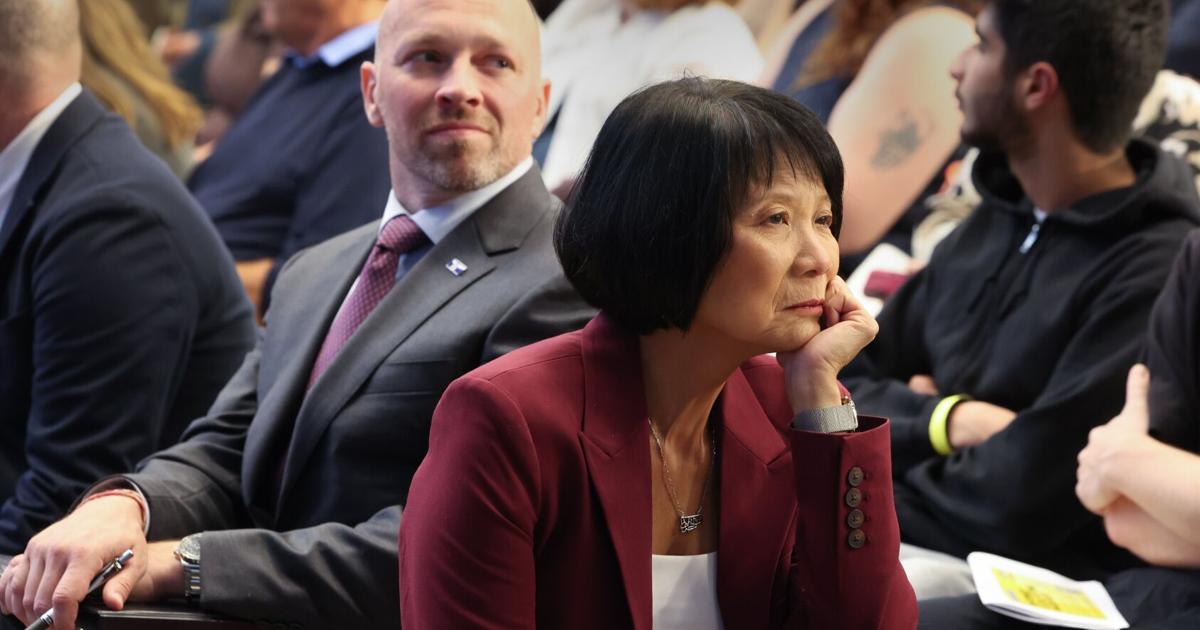
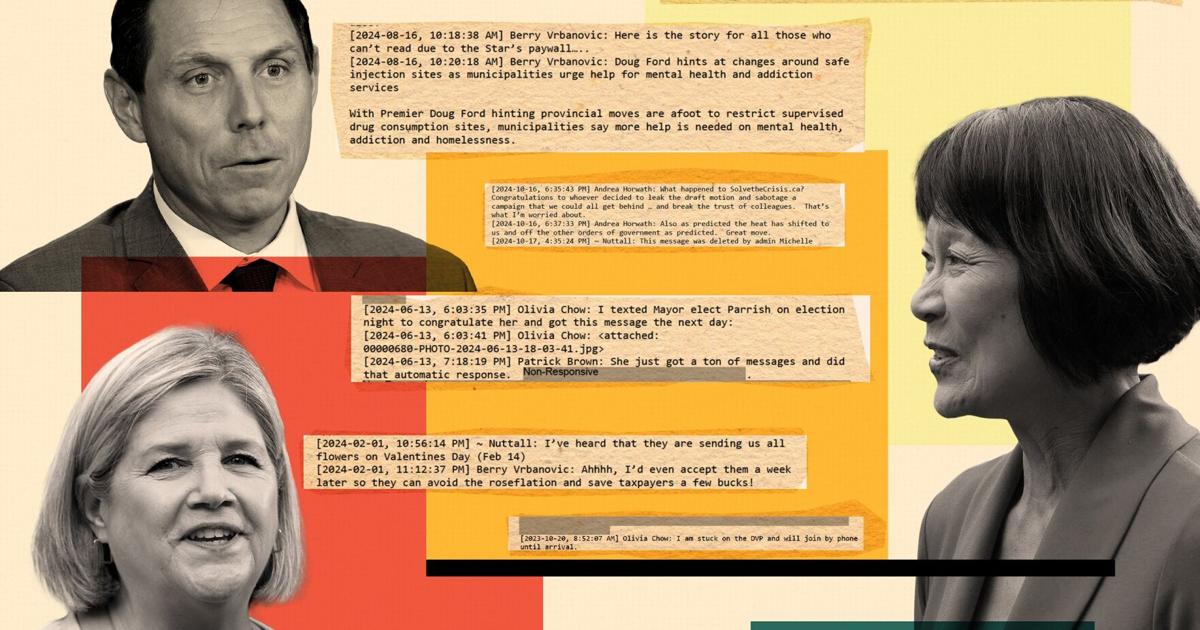
The most powerful of these outfits, Progress Toronto has, so far, helped incumbent mayor Olivia Chow and seven members of council get elected since 2022.
asserted
Chow → help → 2022
This year, it’s facing challenges from new, competing groups that say the city could benefit from a little more partisanship.
uncertain
city → face → partisanship
For the first time in almost 60 years, Toronto seems to be getting another referendum on political parties.
asserted
Toronto → seem → parties
Does Toronto hate parties?
asserted
Toronto → hate → parties
Proponents of the party system say it helps voters by clearly denoting which of the many candidates share their values.
asserted
which → say → values
Parties should also hold their politicians accountable, in order to preserve public image and support for the organization.
asserted
politicians → hold → organization
“Once a political system becomes large and complicated enough, you need political parties,” said veteran political journalist John Michael McGrath.
asserted
McGrath → become → parties
Parties would, I believe, make it easier for voters to know who they are hiring to run that machine.”
asserted
they → believe → machine
McGrath, who has argued that municipal advocacy groups are essentially parties already, said in absence of a partisan system, candidate name recognition ends up winning elections.
asserted
recognition → argue → elections
This, he said, makes incumbents and former federal or provincial politicians nearly unbeatable, which doesn’t always “give us the best governance results.”
asserted
which → say → results
Parties, he said, would be able to loudly criticize incumbents and propose alternatives.
asserted
he → say → alternatives
Ontarians, for the most part, don’t think the juice is worth the squeeze at the city level.
asserted
juice → think → level
Opinion polling shows a strong preference for the municipal nonpartisanship status quo, with respondents saying they value what they consider to be a more meritocratic system that uplifts independent thinkers.
asserted
that → show → thinkers
“Ontario stands out among advanced democracies in the depth and consistency of its commitment to municipal nonpartisanship,” reads a 2024 study by Canadian political scientists that surveyed thousands of Ontarians.
asserted
that → stand → Ontarians
“Across nearly all relevant subgroups of the public, antipartisan sentiment predominates.
asserted
sentiment → predominate → public
Still, the surveyors found that more than a third of respondents had no opinion on the matter.
asserted
third → find → matter
A pro-party politician could try to persuade these undecideds, but they would “do so in the face of a skeptical public” and incur “substantial risk” upsetting their constituents, about half of whom are “resolutely opposed to municipal partisanship.”
uncertain
half → try → partisanship
Local opposition is so ingrained that politicians in the city use accusations of party affiliation as a cudgel.
asserted
politicians → use → cudgel
Mayoral candidate Brad Bradford frequently calls Chow the “NDP mayor” in statements and criticizes the former New Democrat MP for retaining her party membership after becoming mayor in 2023.
asserted
Bradford → call → 2023
Federal or provincial parties ties might still be gauche for local politicians, but many would still welcome help from the special interest groups that mimic them.
uncertain
that → welcome → them
Progress Toronto’s founder, Michal Hay, became Chow’s chief of staff after she was elected.
asserted
she → become → staff
She’s now working on her re-election campaign.
asserted
She → work → campaign
According to reporting in The Local magazine this month, Bradford privately encouraged the creation of one of the conversative answers to Progress Toronto, called ABC Toronto, after he lost the 2023 mayoral byelection.
uncertain
he → accord → byelection
Bradford did not respond to a request for comment about this from the Star.
asserted
Bradford → respond → Star
Where do these groups see themselves heading?
asserted
themselves → see → ?
The Star asked the three main municipal advocacy groups whether they aspire to become parties.
asserted
they → ask → groups
Progress Toronto said it did not and disagreed with the notion that it behaves like one already.
asserted
it → say → one
ABC said having parties at the municipal level would benefit the electorate, but that becoming one is not its “focus.”
asserted
becoming → say → one
IntegrityTO, a group that is further right on the political spectrum, said it’s “too premature” to try to legislate municipal parties now, but “we’ll see how things play out after this election.”
asserted
things → say → election
…and 41 more, not listed.
 The Aporia