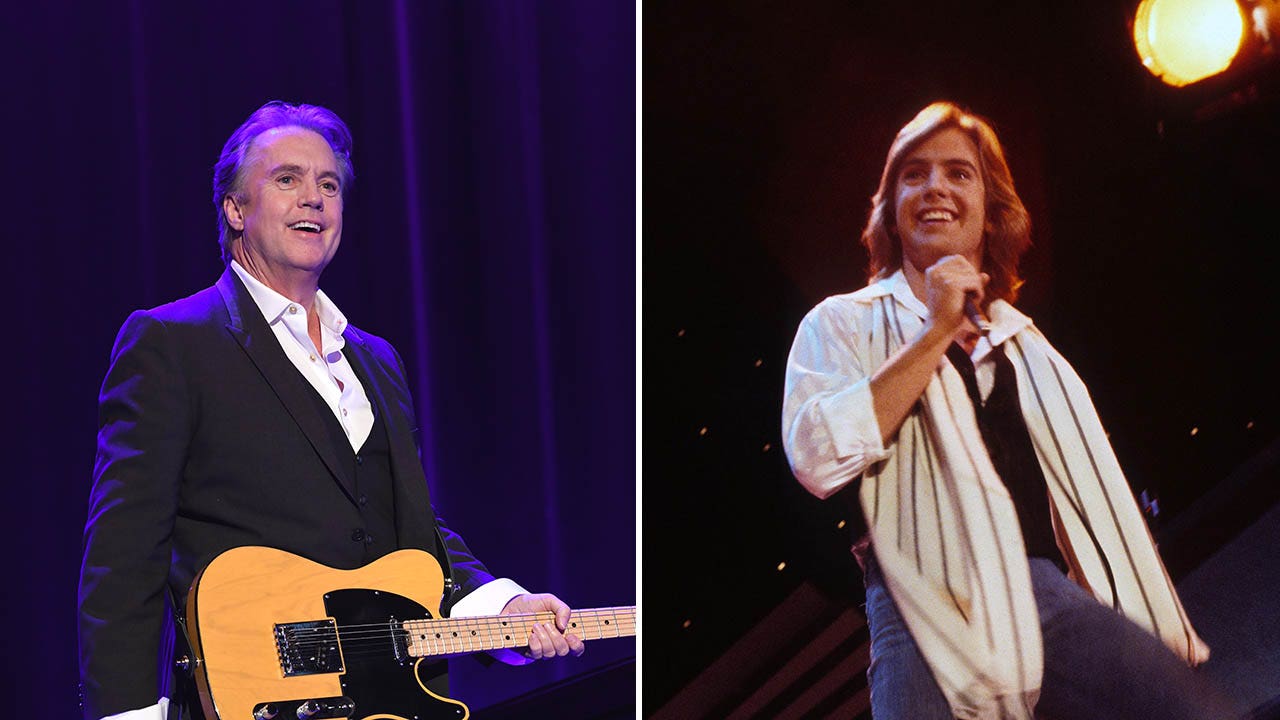
Shaun Cassidy had the screaming fans, the hit record and the television stardom.
asserted
Cassidy → have → fans
Then, at 21, he walked away from it all.
asserted
he → walk → it
The former teen heartthrob revealed why he stopped touring at the height of his fame, saying the celebrity lifestyle had become less appealing than staying home, raising his children and creating television behind the scenes.
asserted
lifestyle → reveal → scenes
"I stopped touring when I was 21.
asserted
I → stop → ?
Astrodome was my last show — not because I didn't love touring.
asserted
I → love → ?
I did, I loved performing, loved singing, but I found that writing and producing TV gave me, frankly, a much better life," he shared on the "Naked Lunch" podcast.
asserted
he → do → podcast
That decision came after Cassidy had already become one of the biggest teen stars of the late 1970s.
asserted
Cassidy → come → 1970s
His 1977 self-titled debut album spawned the No. 1 hit "Da Doo Ron Ron," while his role as Joe Hardy on ABC's "The Hardy Boys/Nancy Drew Mysteries" made him a familiar face in homes across America.
asserted
him → title → America
But Cassidy wasn't interested in spending the rest of his life inside the teen-idol machine.
asserted
Cassidy → spend → machine
"I got to stay home.
asserted
I → get → ?
I had kids at a young age.
asserted
I → have → age
And I love writing," he said about his decision to give up touring.
asserted
he → write → touring
For Cassidy, writing and producing offered something performing couldn't.
asserted
performing → write → something
"I was a magician as a really young kid … when you write something, it's like magic.
asserted
it → write → magic
You pulled something out of the air and 200 people have a job on a sound stage."
By the mid-1990s, Cassidy had largely traded the stage for the writers' room and producer's chair, working on shows including "American Gothic," "Roar" and "New Amsterdam."
asserted
Cassidy → pull → Gothic
Cassidy said life as a teen idol left him feeling increasingly isolated.
asserted
life → say → him
He explained, "Because once you are well-known — at least in my case — I became insulated.
asserted
I → explain → case
I couldn't go out … kind of a prisoner in your house."
asserted
I → go → house
He added, "And that's one of the reasons again, like I don't want to be Elvis — not that I was Elvis, but you know what I mean — like I don't want that life.
asserted
I → add → life
I don't want the Michael Jackson isolation, it's not healthy.
asserted
it → want → isolation
"
Instead, he said, he chose family and a life outside the glare of the spotlight.
asserted
he → say → spotlight
"I'm glad I made the choice I did because now I've got a great life, I've got a great family, I've got … 107 children, and I'm a lucky man," Cassidy, who is father to seven children, laughed.
asserted
who → make → children
Cassidy's complicated relationship with fame began long before he became famous himself.
He grew up as the son of Broadway and television star Jack Cassidy and Oscar winner Shirley Jones, who became a television icon as Shirley Partridge on "The Partridge Family."
asserted
who → begin → Family
Jack Cassidy and Jones married in 1956 and divorced in 1975.
asserted
Cassidy → marry → 1975
Cassidy has previously described his late father as a "phony," saying Jack's larger-than-life showman persona didn't necessarily translate into fatherhood.
asserted
persona → describe → fatherhood
The former teen idol said that he and his brothers, including actor Patrick Cassidy and the late David Cassidy, experienced a very different reality behind the family's Hollywood image.
asserted
he → say → image
He has also recalled essentially raising himself while his parents pursued their careers.
asserted
parents → recall → careers
Cassidy is currently preparing for his "Unwrapped: Songs & Stories for the Holidays" tour, which is scheduled to kick off in November.
asserted
which → prepare → November
 The Aporia