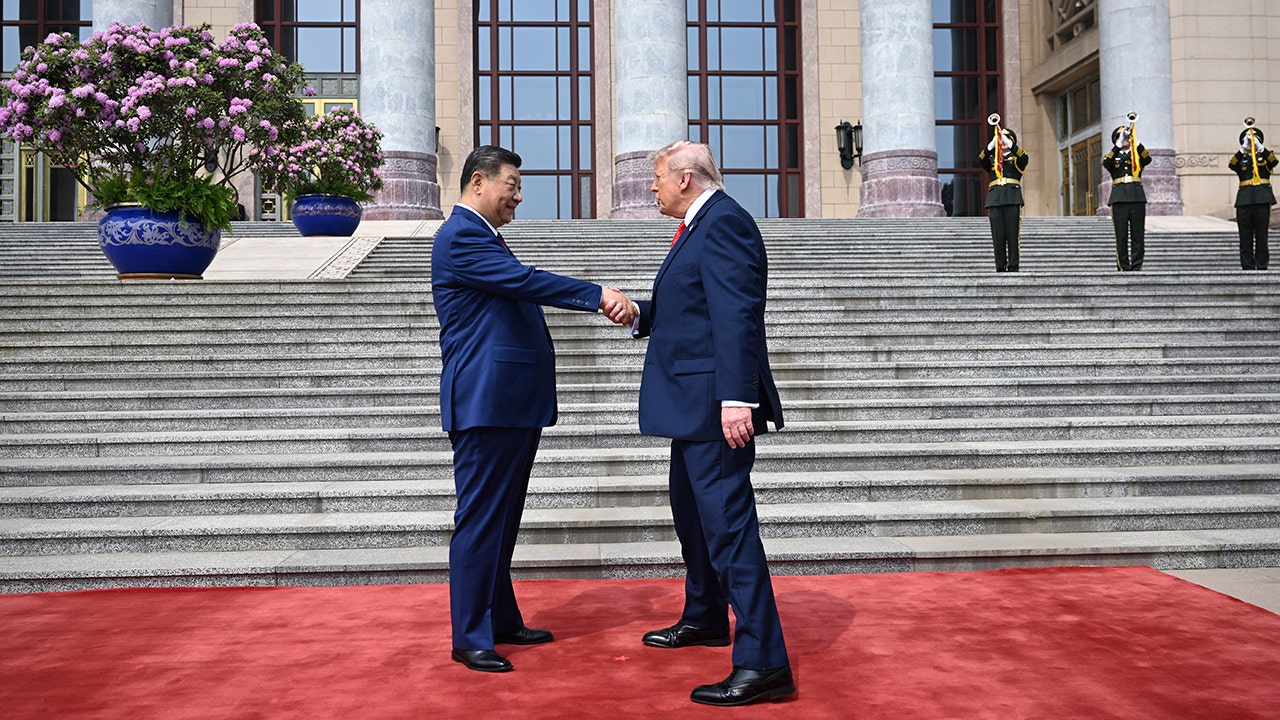
Photo via South China Morning Post

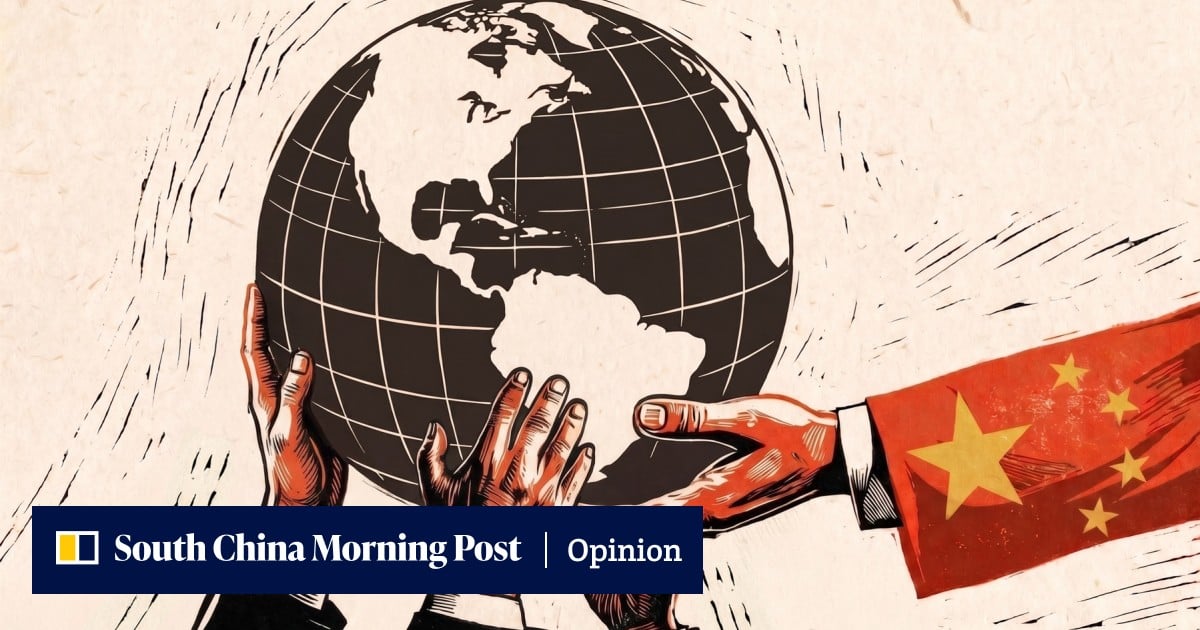
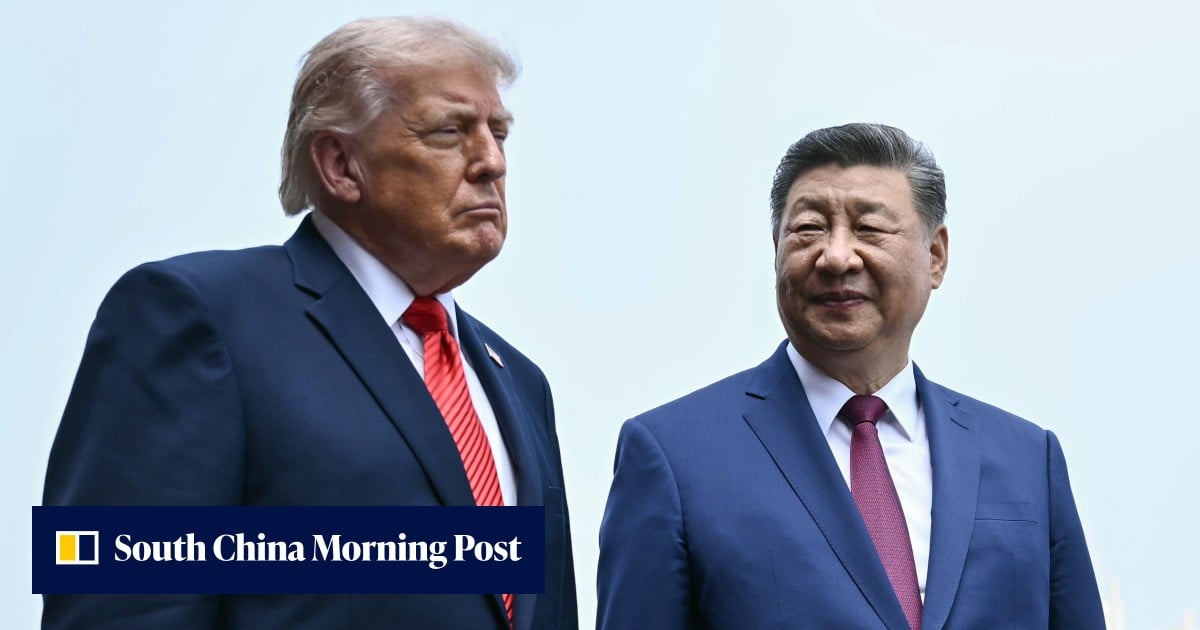
How China is seeking to transform the meaning of great power

Read the original at South China Morning Post ↗
Cite

Ip, R. (2026, September 26). How China is seeking to transform the meaning of great power. South China Morning Post. https://www.scmp.com/opinion/china-opinion/article/3368671/how-china-seeking-transform-meaning-great-power?utm_source=rss_feed

Dated when The Aporia collected the article, usually within hours of publication. Check the original for its exact date and byline.

South China Morning Post · collected 2026-09-26 · by Regina Ip

Quick Summary

The article explores China's evolving definition of great power status beyond traditional dominance, focusing on promoting a just world order rather than control. It questions whether the term "superpower," coined during World War II to describe states like the U.S., Britain, and the Soviet Union, still accurately captures contemporary global dynamics as China rises as an equal competitor to the United States.
Written by AI on 2026-09-26, from this article's own text only (the story summary below draws on all the coverage).

AI analysis

Story summary

China is increasingly being viewed as a peer competitor to the United States across various domains, prompting discussions about whether it has become a superpower akin to those defined by American political scientist William T.R. Fox during World War II. In his 1944 book "The Super-Powers: The United States, Britain, and the Soviet Union – Their Responsibility for Peace," Fox identified the US, Britain, and the Soviet Union as exceptional states due to their significant military and geopolitical influence in shaping the post-war world order.

However, Chinese officials argue that discussions of superpower status might be outdated, suggesting a need for a contemporary definition of power. Beijing aims to promote a more just global order where its influence is exercised responsibly without being predicated on domination, reflecting a modern conception of what responsible great power behavior entails in the 21st century.
Written for “China Great Power Strategy” on 2026-11-03, grounded in this article and the 0 other(s) covering the same event.

Story

📰 China Great Power Strategy
Politics · 1 article(s) covering the same event.

Compared with similar articles

This article reads leans left and hedges 17% of its claims. Each row says how that neighbour differs.
South China Morning Post
⚖️ Leans right further right than this Hedges 0 of 8 claims Outlet record 62/100
“The articles discuss different topics related to China's influence and its relationship with Hong Kong, but they do not describe the same specific incident or occurrence.”
ABC News (AU)
⚖️ Leans strongly left further left than this Hedges 7 of 44 claims Outlet record 68/100
“Article A discusses an upcoming meeting between Trump and Xi, while Article B is a broader analysis of China's role as a global power.”
South China Morning Post
⚖️ Leans left Hedges 2 of 8 claims Outlet record 62/100
“The articles discuss different aspects of US-China relations over time and do not describe the same specific summit or meeting.”
South China Morning Post
⚖️ Leans left Hedges 1 of 3 claims Outlet record 62/100
“The articles discuss different aspects of China's relationship with the US, not a single specific occurrence.”
The Guardian
Hedges 11 of 59 claims Outlet record 66/100
“Article A describes a specific meeting between Trump and Xi, while Article B discusses China's broader aspirations and influence on the international stage.”
Al Jazeera
Outlet record 60/100
“The articles discuss related themes but describe different perspectives on China's role as a global power and do not refer to the same specific incident or occurrence.”
South China Morning Post
Hedges 0 of 4 claims Outlet record 62/100
“The articles discuss different aspects of US-China relations and do not describe the same specific incident or occurrence.”
The Independent
⚖️ Leans left Hedges 8 of 84 claims Outlet record 59/100
“The articles discuss different aspects of China's relationship with the US and its role in global politics, not a single specific incident or meeting.”
Fox News
⚖️ Leans strongly right further right than this Hedges 4 of 39 claims Outlet record 69/100
“The articles discuss general themes about U.S.-China relations and foreign policy, but do not describe a single specific summit or meeting between Trump and Xi.”
The Sydney Morning Herald
⚖️ Leans right further right than this Hedges 2 of 25 claims Outlet record 61/100
“Article A describes a specific diplomatic ceremony in Canberra, while Article B discusses broader conceptual themes about China's global influence and power status.”
How this article was measured signals, leaning charts, publisher record, byline, topics and claims

Signals How these are calculated →

Claims extracted
6
sentences that state something as happening or true
Uncertain
17%
1 of 6 hedged ("reportedly", "may", "according to")
Leaning
Leans left
of the writing, not the subject · beta estimate
Publisher signals
62/100
South China Morning Post's corrections and hedging, across everything collected from it. Not a measure of accuracy.
Outlets on this story
1
Politics
Same framing elsewhere
1
articles that frame the event the way this one does
Analyzed 2026-09-26 · how these are computed

How this is being covered How these are calculated →

Article leaning vs. publisher reliability
Source leaning vs. consistency

Publisher

South China Morning Post · 3664 article(s) · 8 correction(s) detected
Running correction rate · 8 correction(s)

Who wrote this

Regina Ip
2 article(s) here · 1 carrying a prediction
🔮 The question, however, may rest on a definition of power that belongs to another era.
Also by Regina Ip
Hong Kong needs a civil service fit for a changed world
2026-10-25 · South China Morning Post
Nothing else under this byline is closely related to this article, so these are simply their most recent.

Topics

American Beijing China the United States

Subjects

China GPE · 2× American NORP · 1× Beijing GPE · 1× William T.R. Fox PERSON · 1× the United States GPE · 1×

Narrative

In his 1944 book The Super-Powers: The United States, Britain, and the Soviet Union – Their Responsibility for Peace, American political scientist William T.R. Fox identified the three as a new category of states whose military and geopolitical capabilities gave them an exceptional role in shaping the post-war order.
framing: assertive · carried by 1 article(s) · first seen 2026-09-26
🔮 The question, however, may rest on a definition of power that belongs to another era.
2026-09-26 · South China Morning Post
How China is seeking to transform the meaning of great power · assertive framing

Claims (6 extracted, 1 hedged)

How China is seeking to transform the meaning of great power By promoting a more just world order, Beijing hopes to exercise influence without making domination the organising principle of international relations asserted
domination → seek → relations
As China has emerged as a peer competitor to the United States in many areas, an increasingly familiar question is whether it has become a superpower. asserted
it → emerge → areas
The question, however, may rest on a definition of power that belongs to another era. uncertain
that → rest → era
It reflects a different conception of what power is for, and perhaps what constitutes responsible power in the 21st century. asserted
what → reflect → century
The term “superpower” dates from the second world war. asserted
term → date → war
In his 1944 book The Super-Powers: The United States, Britain, and the Soviet Union – Their Responsibility for Peace, American political scientist William T.R. Fox identified the three as a new category of states whose military and geopolitical capabilities gave them an exceptional role in shaping the post-war order. asserted
capabilities → identify → order
💬Give feedback
🕘History 🎫Support