 The Aporia
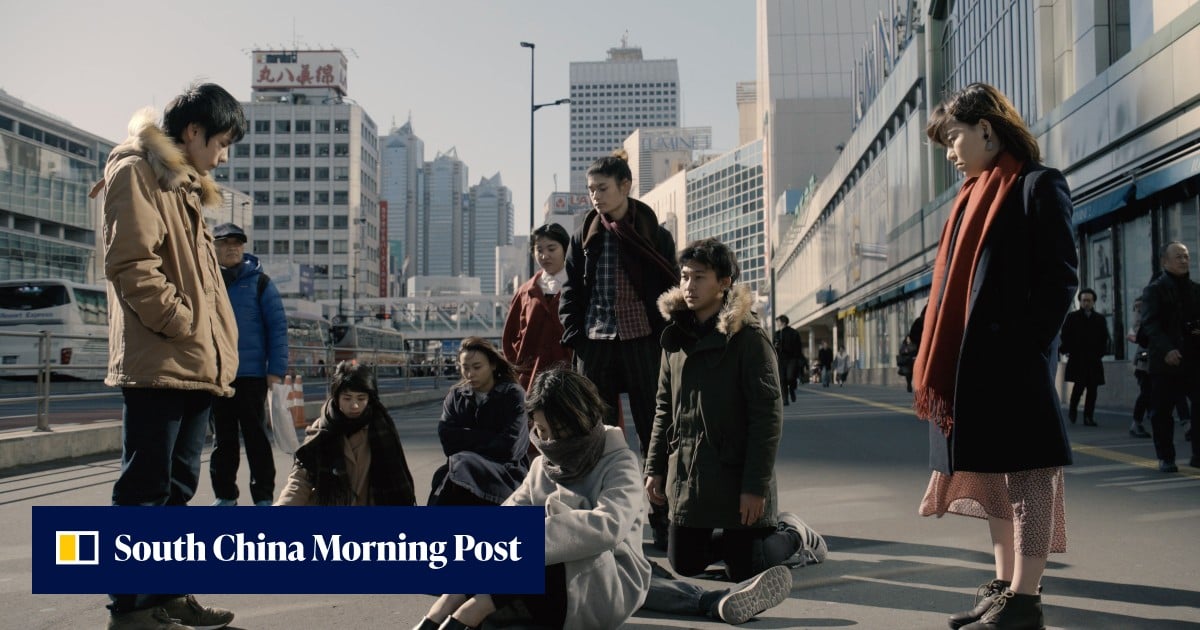
Japanese museums shun video artwork on wartime atrocities acclaimed abroad. (2026, September 27). South China Morning Post. https://www.scmp.com/news/asia/east-asia/article/3368928/japanese-museums-shun-video-artwork-wartime-atrocities-acclaimed-abroad?utm_source=rss_feed
“Japanese museums shun video artwork on wartime atrocities acclaimed abroad.” South China Morning Post, 27 Sept. 2026, https://www.scmp.com/news/asia/east-asia/article/3368928/japanese-museums-shun-video-artwork-wartime-atrocities-acclaimed-abroad?utm_source=rss_feed.
“Japanese museums shun video artwork on wartime atrocities acclaimed abroad.” South China Morning Post, September 27, 2026. https://www.scmp.com/news/asia/east-asia/article/3368928/japanese-museums-shun-video-artwork-wartime-atrocities-acclaimed-abroad?utm_source=rss_feed.
Dated when The Aporia collected the article, usually within hours of publication. Check the original for its exact date and byline.
Contemporary artist Meiro Koizumi created an artwork titled "The Angels of Testimony," which has received acclaim abroad but faces reluctance from Japanese museums to exhibit it due to its confrontation with wartime violence committed by Japanese troops during the Sino-Japanese war. The piece, featuring three screens that emerge from darkness in a darkened space, includes interviews and testimonies like one from former Imperial Japanese Army soldier Hajime Kondo, who was 99 when the work was filmed. Koizumi hopes his creation will be seen in Japan to fully complete its message but has faced resistance from domestic institutions, highlighting tensions around historical memory and national reconciliation in Japan.