The Aporia

Jiangtao, S., & Chen, F. (2026, September 27). Why Southeast Asia feels relief and caution after the Xi-Trump summit. South China Morning Post. https://www.scmp.com/news/china/diplomacy/article/3368941/why-southeast-asia-feels-relief-and-caution-after-xi-trump-summit?utm_source=rss_feed
Jiangtao, Shi, and Fan Chen. “Why Southeast Asia feels relief and caution after the Xi-Trump summit.” South China Morning Post, 27 Sept. 2026, https://www.scmp.com/news/china/diplomacy/article/3368941/why-southeast-asia-feels-relief-and-caution-after-xi-trump-summit?utm_source=rss_feed.
Jiangtao, Shi, and Fan Chen. “Why Southeast Asia feels relief and caution after the Xi-Trump summit.” South China Morning Post, September 27, 2026. https://www.scmp.com/news/china/diplomacy/article/3368941/why-southeast-asia-feels-relief-and-caution-after-xi-trump-summit?utm_source=rss_feed.
Dated when The Aporia collected the article, usually within hours of publication. Check the original for its exact date and byline.
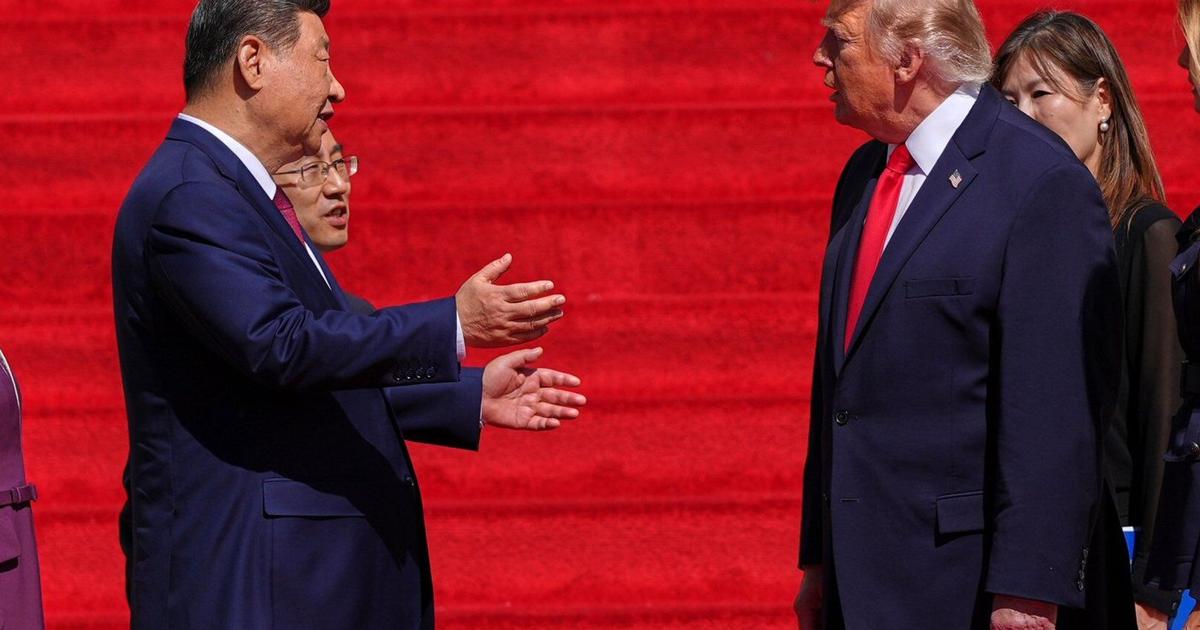
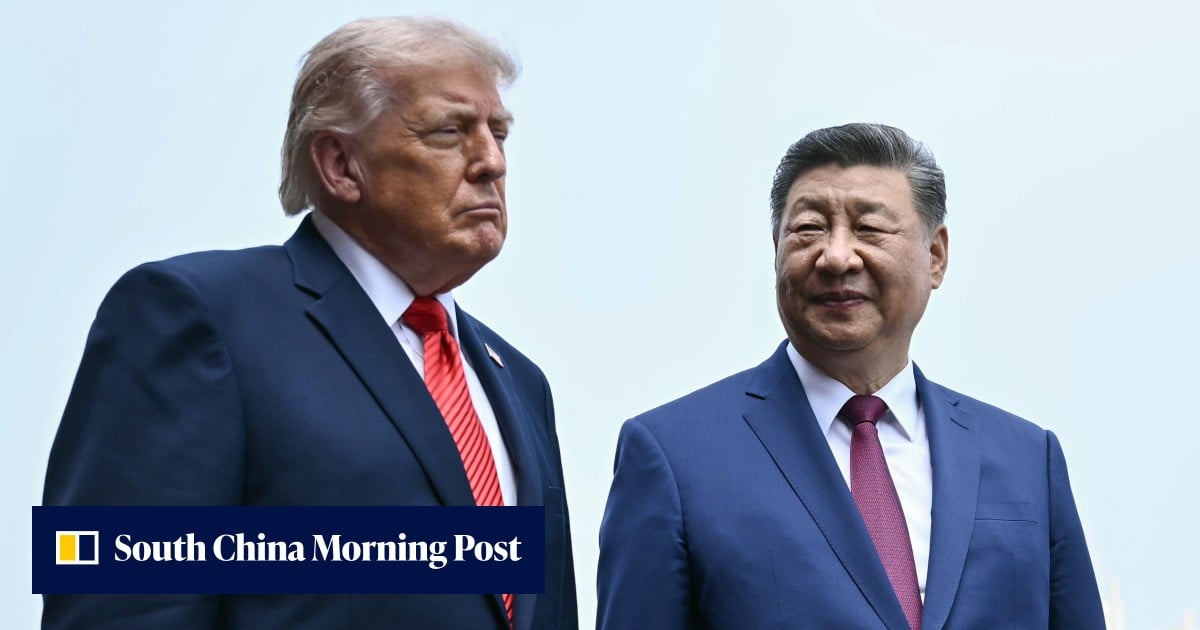
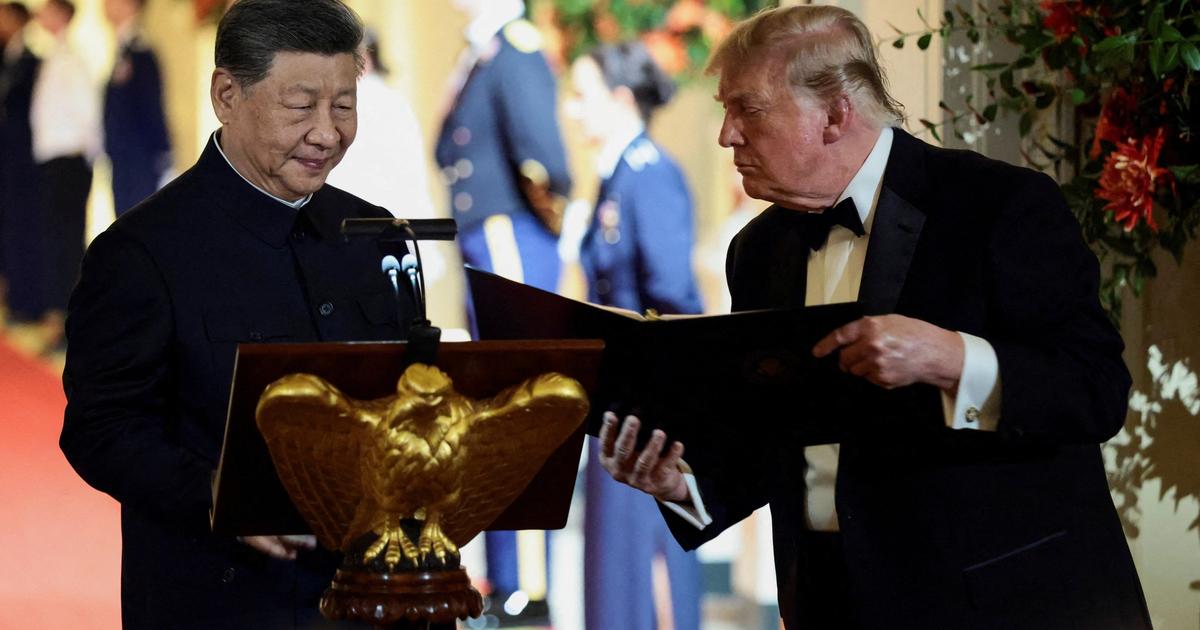
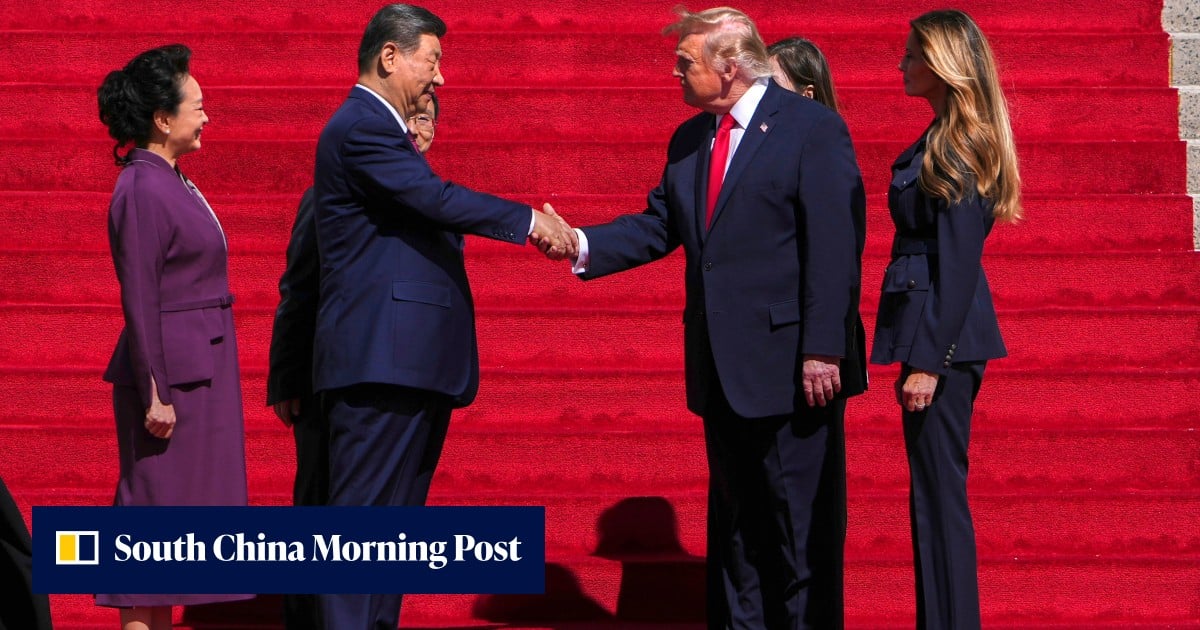
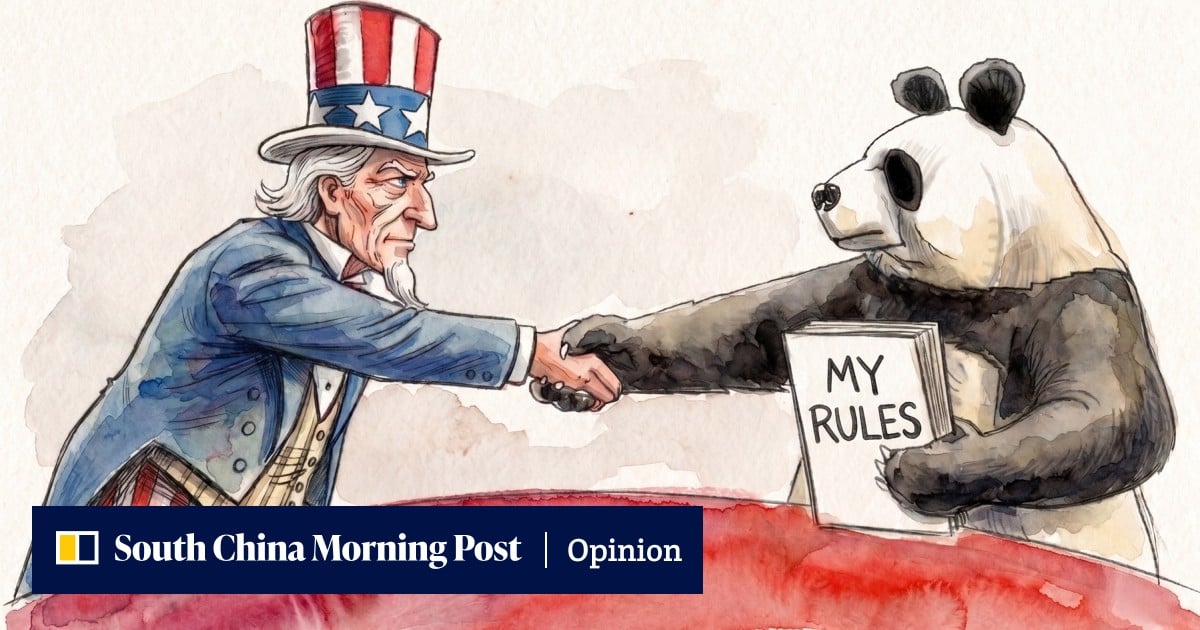
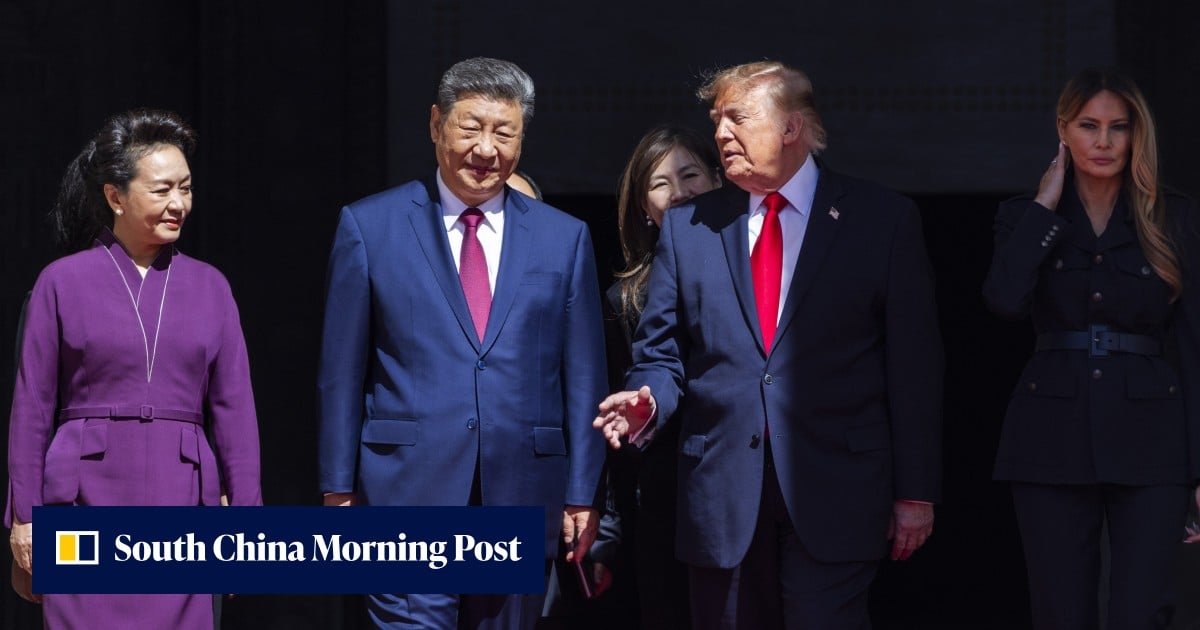
The summit between US President Donald Trump and Chinese President Xi Jinping on September 24 focused largely on AI regulation amid escalating tensions over advancements in artificial intelligence technology. The meeting aimed to address mutual concerns about the risks associated with rapid AI development but ended with both sides maintaining their positions, despite attempts by China's Foreign Minister Wang Yi to emphasize "equality" and "reciprocity." Chinese state media highlighted the high-level reception Xi received at the White House as a sign of equality between the two nations, while US officials viewed reciprocity more transactionally. This divergence in interpretation has led to skepticism about whether genuine progress was made regarding AI guardrails or broader diplomatic cooperation.