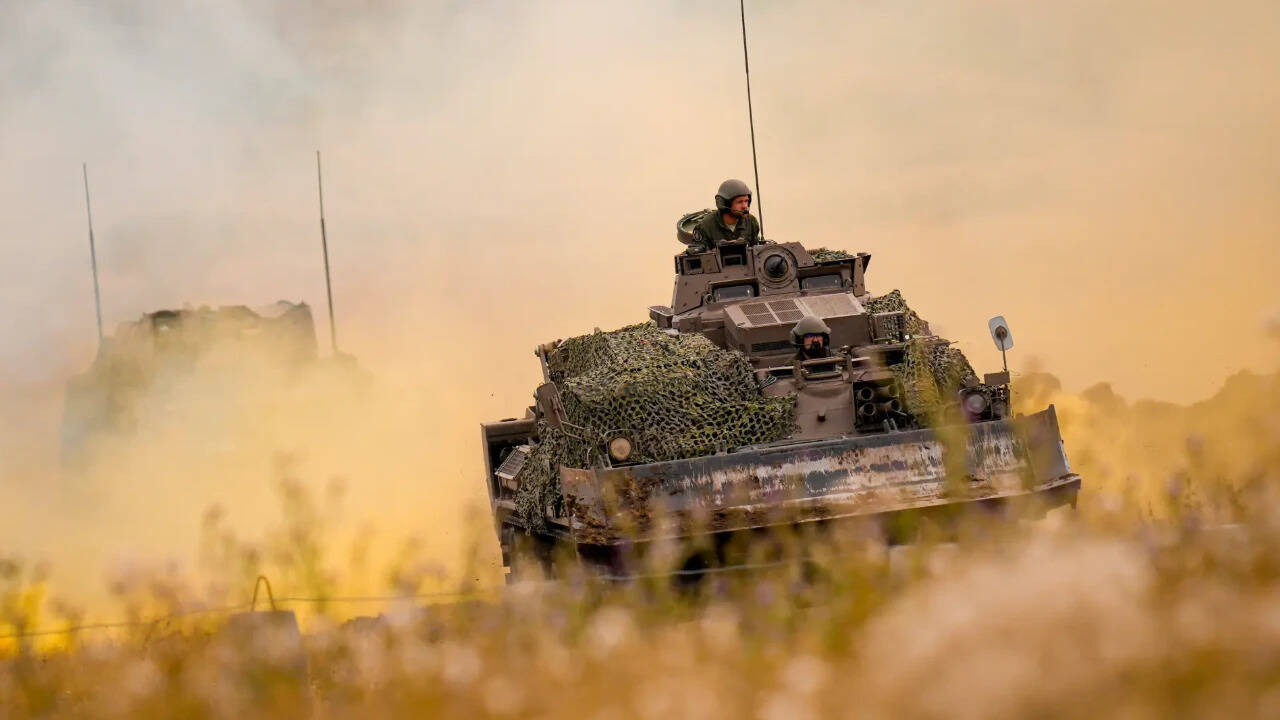
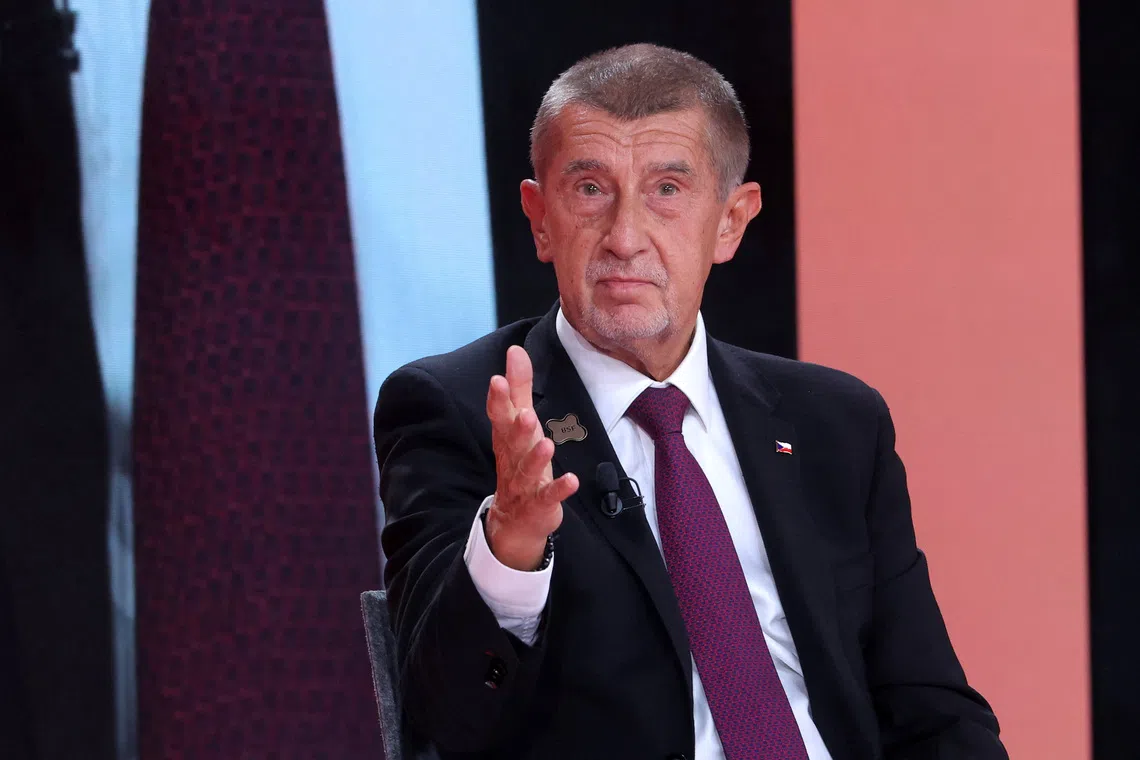
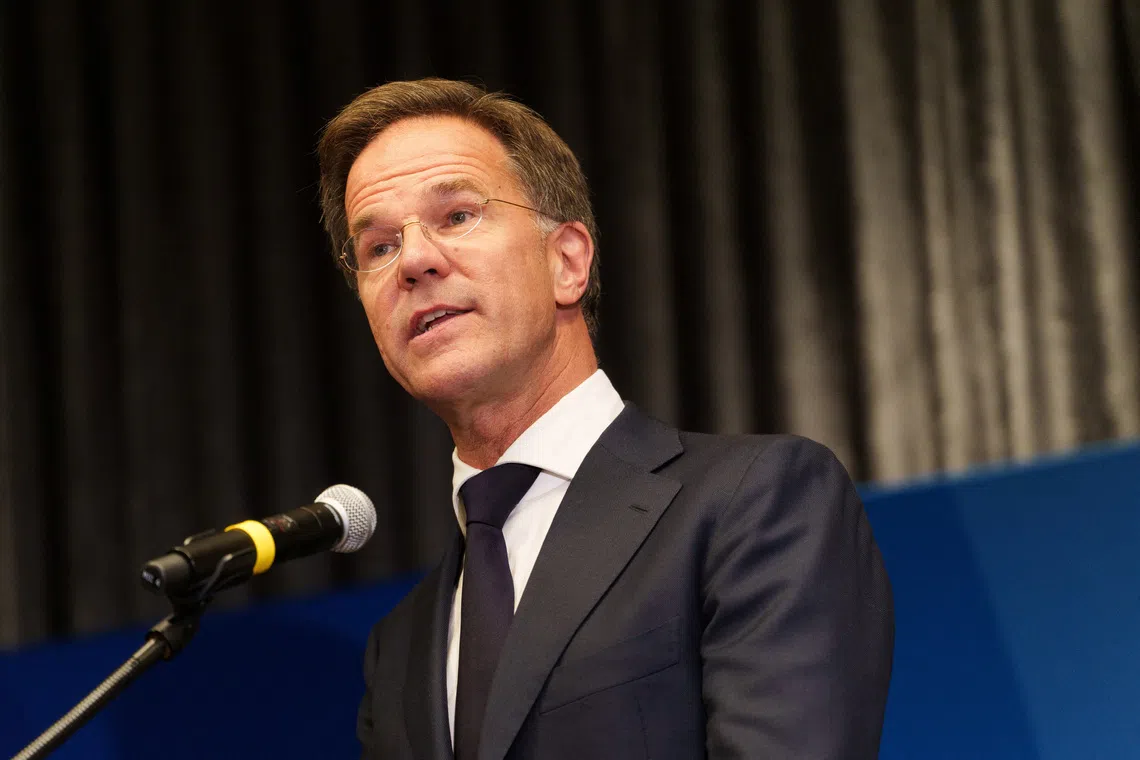
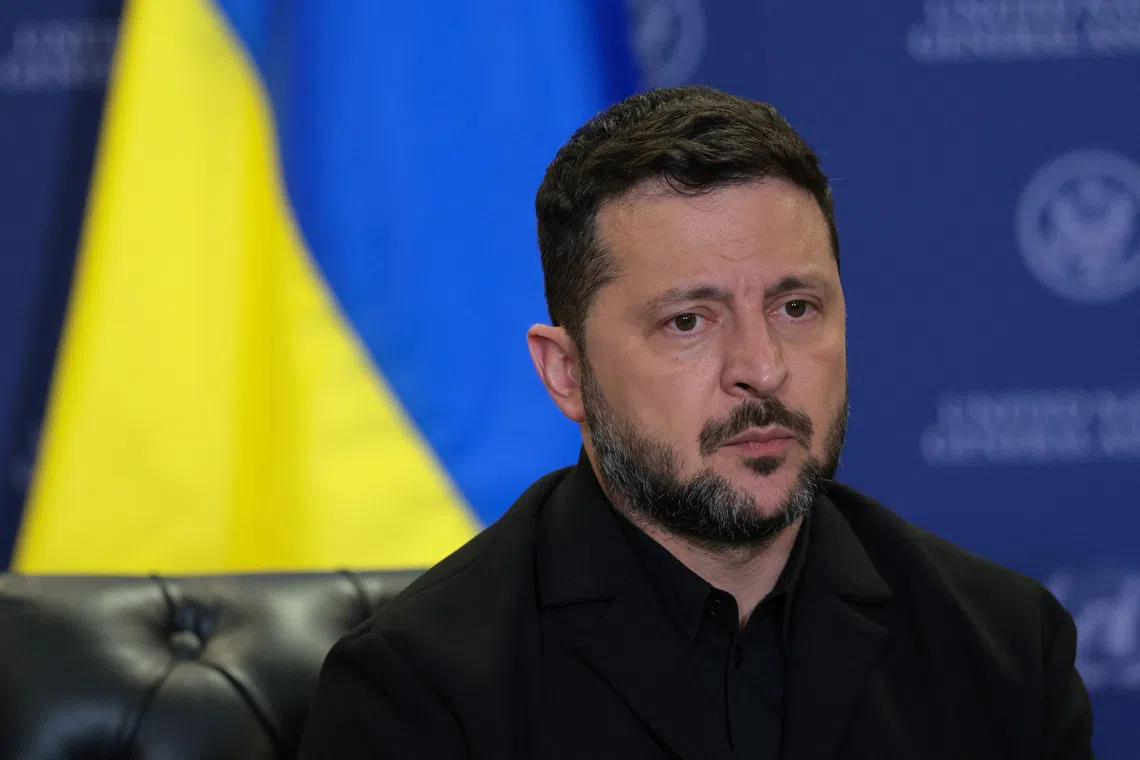
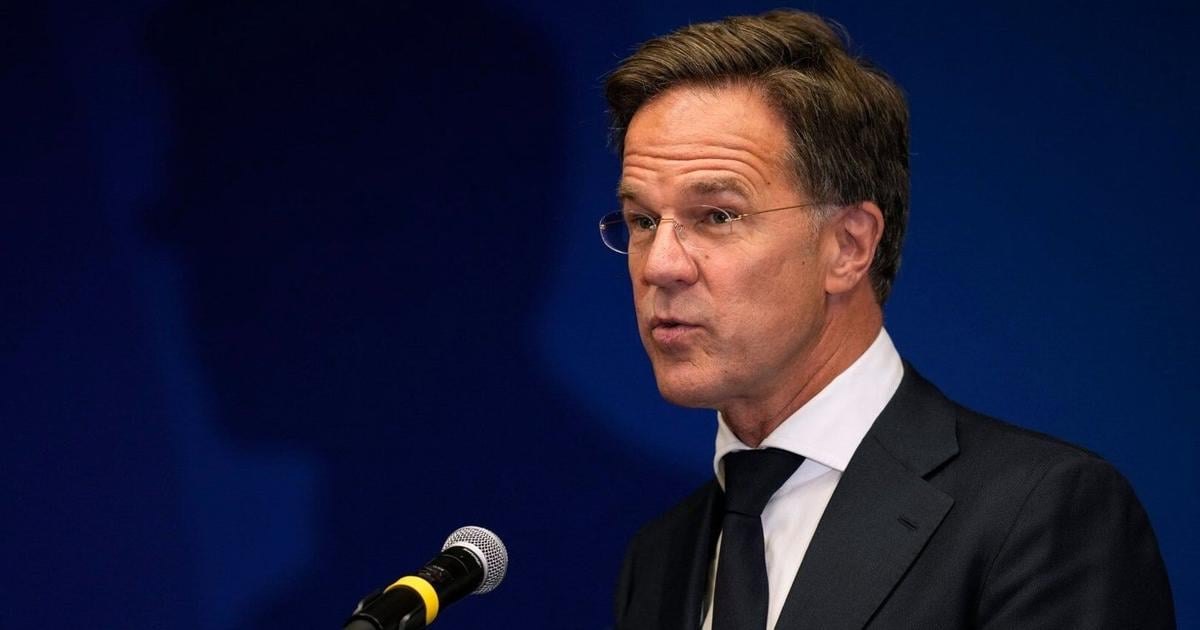
Putin appears to be eyeing NATO.
asserted
Putin → appear → NATO
The question is, will he actually attack?
asserted
he → attack → ?
European countries on high alert amid mounting signs of danger from Moscow
European military experts are tracking urgent danger signs that suggest Vladimir Putin may be preparing for a direct escalation against the NATO alliance.
uncertain
Putin → mount → alliance
What analysts are split over is whether the Russian president is merely weighing his options or has already decided to pull the trigger.
asserted
president → split → trigger
"What's pretty clear from public intelligence briefings by … a number of heads of state and defence secretaries across different member states is that Russia is planning [some] sort of aggression, probably with multiple potential forms," said Justin Bronk, senior research fellow for airpower and technology at the Royal United Services Institute, a London-based military think-tank.
asserted
Bronk → plan → Institute
"That doesn't mean they've decided to do it — but it does mean it's probably under active planning and therefore the risk of it has risen significantly.
asserted
risk → mean → it
"
Moscow is "cooking up something big this year," warned Polish Foreign Minister Radoslaw Sikorski during a panel discussion as part of the United Nations General Assembly in New York on Friday, without elaborating.
asserted
Sikorski → cook → Friday
The concerns have been fuelled by a threat assessment from Denmark's government that this week raised the prospect of a Russian missile attack on NATO infrastructure used to support Ukraine.
asserted
that → fuel → Ukraine
The report said such an attack could happen within weeks.
uncertain
attack → say → weeks
A wave of incidents over the last month have put governments and security services on high alert.
asserted
wave → put → alert
Germany's government has directly blamed Putin for an attempted drone strike on Leipzig's airport that appeared to target aircraft carrying supplies to Kyiv.
asserted
that → blame → Kyiv
A Russian drone then attacked a Ukrainian passenger train on the border with Poland, a NATO ally, just as it unloaded a carriage full of European VIPs, including former British prime minister Boris Johnson.
asserted
it → attack → Johnson
Russia confirmed the strike but denied it was trying to assassinate European diplomats.
asserted
it → confirm → diplomats
Meanwhile, Polish authorities stated they strongly suspect Kremlin agents were behind an arson attack earlier this week on a satellite communications ground station serving as a critical link with Ukraine's armed forces.
asserted
agents → state → forces
Going forward, analysts suggest Moscow's goals are highly calculated.
asserted
goals → go → ?
"The Russians aren't going to do something that they think leads to a long, difficult war.
asserted
they → go → war
That's not their objective," said Bronk.
asserted
Bronk → say → ?
"The objective would be to do something small enough that it still definitively violates NATO territory to test the alliance visibly, but keep it small enough that it becomes very difficult to get the political will to respond directly and militarily kick them out.
asserted
will → do → them
Putin has denied all allegations of aggression and instead framed Russia as the victim of warmongering by the Western military alliance as he has for much of 27 years at the top of Russia's power pyramid.
asserted
he → deny → pyramid
"NATO is swelling up and expanding," he told a Kremlin meeting on Sept. 18, claiming European leaders are "simply trying to salvage their sagging ratings, and cover up mistakes" with accusations of Russian aggression.
asserted
leaders → swell → aggression
Putin has repeatedly justified his February 2022 invasion of Ukraine as self-defence, falsely claiming that NATO was building up troops and weapons there in preparation for invading Russia.
asserted
NATO → justify → Russia
Now, after four and half years of full-scale war, Russia is believed to have suffered as many as 1.4 million people killed or wounded and its economy is under severe strain.
asserted
economy → believe → strain
One senior Estonian commander on Friday likened Putin to a "rat in the corner," suggesting that because the war is going badly he may see aggression against Ukraine's European allies as a the best means to break Western support.
uncertain
he → liken → support
On Friday, the Russian state media outlet RIA Novosti gave the theory added credibility with a story headlined: "Russia is facing another short SVO" or special military operation as Russia continues to call its war against Ukraine.
asserted
Russia → give → Ukraine
"It will be short," it said, and raised the possibility of missile strikes against Lithuania, another NATO member.
asserted
it → say → Lithuania
The article — which was taken down a short time after it was posted — also suggested that using nuclear weapons was not out of the question.
uncertain
using → take → question
Dimitri Medvedev, a former Russian president and prime minister, has frequently made similar threats against NATO which are widely viewed by analysts as a scare tactic.
asserted
which → make → tactic
RIA Novosti later added a sort of correction claiming the article was removed because "it did not align with the editorial team's views," or the "state policy of the Russian federation."
asserted
it → add → federation
The situation shares eerie similarities with the weeks leading up to Putin's invasion of Ukraine.
asserted
situation → share → Ukraine
Back then, Putin and other Kremlin officials vigorously denied any intent to invade and blamed NATO for escalation, even as Russian troops on the border with Ukraine swelled and diplomacy to try to calm the crisis continued.
asserted
diplomacy → deny → crisis
Western and Russian authors who later studied Putin's road to war concluded he and a tiny circle of hard-line security advisers, fuelled by grievances against the West, froze out the broader Kremlin establishment and made the fateful decision to plunge the country into war.
asserted
he → study → war
Their belief that Ukraine would quickly capitulate turned out to be one of greatest blunders in modern political history.
But other facts on the ground look vastly different than in 2022.
asserted
facts → capitulate → 2022
Countering Sikorski's warnings of "something big" on the horizon, one of Estonia's top military figures claimed his country is seeing no evidence of Russian troops massing along NATO's eastern flank.
asserted
troops → counter → flank
"We have no signs indicating that Russia currently intends to militarily attack any NATO ally," wrote Tarmo Miilits, the top official at Estonia's Interior Ministry.
asserted
Miilits → have → Ministry
And Britain's The Times newspaper quoted other top European security officials saying that there is "no new intelligence to suggest a Russian attack is coming."
During his visit to the UN in New York this week, Finland's President Alexander Stubb urged leaders and analysts to stop using "alarmist language," claiming the speculation about an expanded war is exactly what the Kremlin spin doctors want.
asserted
doctors → quote → what
Any NATO member can invoke Article 5 — the alliance's foundational principle that an attack against one member is considered an attack against all — but this raises the crucial question of what constitutes "an attack"?
asserted
what → invoke → attack
And can the alliance be counted on to respond?
asserted
alliance → count → ?
Latvia's president told Britain's Channel 4 this week that he absolutely believed the U.S. and the other 30 member states would come to his country's aid if Russia moves against it, but he acknowledged there is disagreement over how that might be defined.
uncertain
that → tell → it
"The real trouble starts when you have to define when Article 5 starts in this situation," said Edgars Rinkēvičs.
asserted
Rinkēvičs → start → situation
"Hybrid attacks could result in Article 5 but this is where we need to work together."
uncertain
we → result → Article
…and 7 more, not listed.
 The Aporia