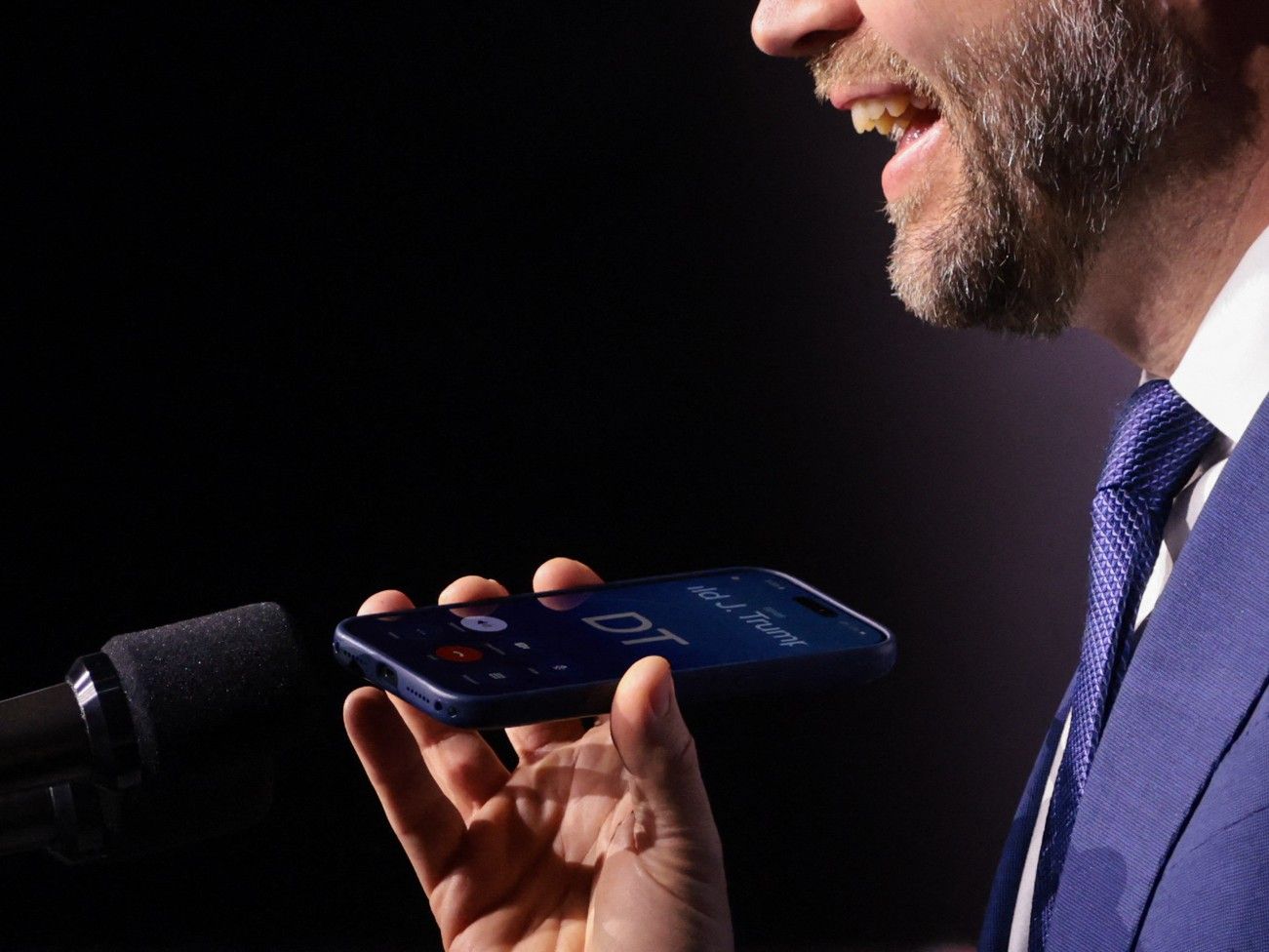
On the subway, in a coffee shop or a checkout line, somebody nearby likely has their phone on full volume.
asserted
somebody → have → volume
A bylaw bars anyone on Toronto’s transit system from using an audio device without headphones, and the fine is $195.
asserted
fine → bar → headphones
In three years, one person has been ticketed under it, for playing loud music and “ignoring repeated requests to turn it off,” Stuart Green, a spokesperson for the Toronto Transit Commission, said in an email to National Post.
asserted
Green → ticket → Post
Is it rude to use it out loud, and should you say something?
asserted
you → use → something
“When you are in a social space, you have a responsibility to be aware of the space where you are and other people around you,” said Charles MacPherson, an etiquette expert, butler, and president of Charles MacPherson Associates, a Toronto company that trains domestic staff.
asserted
that → have → staff
On transit, in a library or in a quiet coffee shop, “you have a social responsibility to be aware that it’s a quiet space.”
asserted
it → have → responsibility
But what about less-quiet places, like at a hockey game, where everyone is yelling, or a warehouse floor?
asserted
everyone → yell → game
“For me, this is black and white,” Macpherson said.
asserted
Macpherson → say → me
“Are you being respectful of others or are you being disrespectful?”
Exposing others to your conversations, music or TikTok videos on your phone’s speaker is inappropriate, he said, because it interferes with everyone else’s enjoyment of the space.
asserted
it → expose → space
“We tend to be very much a ‘me’ society…
asserted
We → tend → ?
I need to talk to my friend.
asserted
I → need → friend
I have a right to listen to my music.
asserted
I → have → music
I need to catch up on this program before it gets cut off Netflix and I’ve got two seasons to go.”
asserted
I → need → seasons
The issue, he said, is that “there are eight billion people in this world — it’s not all about you.”
asserted
it → say → you
Smartphones themselves are part of the problem, MacPherson said, because they are “designed to absorb you,” and people “forget about others because you’re so absorbed by what you’re doing.”
asserted
you → say → what
The Toronto Transit Commission treats a phone call conducted on speaker phone as a courtesy issue.
asserted
Commission → treat → issue
“What we find is that when our staff reminds customers about the courtesy element, people will comply.
asserted
people → find → element
There’s no question use of speakerphone is annoying for others,” Green said.
asserted
Green → ’ → others
“We have less tolerance for loud music, as it can prevent customers who rely on audible announcements from hearing them,” Green said, adding riders should report it to a staff member or through the SafeTTC app.
asserted
riders → have → app
Metrolinx, which runs GO Transit in Ontario, told National Post in a statement that it encourages riders to keep “phone conversations short and quiet.”
asserted
it → run → conversations
“Fines are not issued for improper use of audio devices alone,” a TransLink spokesperson said in an email to National Post.
asserted
spokesperson → issue → Post
Riders playing loud audio may be asked to lower the volume, and a rider who won’t comply could be refused service, “but only in extreme cases,” the spokesperson said, adding TransLink does not typically track how often it happens.
uncertain
it → play → cases
How often Canadians use their speakerphones in public is unknown.
asserted
use → use → public
In Britain, communications regulator Ofcom calls it loudcasting, and in a 2022 survey 46 per cent of people said they watched videos in public without headphones and 45 per cent said they made video calls that way.
asserted
they → call → calls
Eight in 10 people found it annoying, about half said they did nothing about it, and nine per cent asked the person to stop.
asserted
cent → find → person
MacPherson would not object to no-cellphone signs, such as those in hospital or clinic waiting rooms, where people are sick.
asserted
people → object → rooms
“I just think that we need to be respectful of others, but we’ve kind of forgotten,” he said.
asserted
he → think → others
At Cineplex, a Guest Code of Conduct posted online and in its theatres bars patrons from “playing audio from a personal device during a screening in a way that disrupts other guests,” Michelle Saba, the movie theatre chain’s vice-president of communications, said in a statement.
asserted
Saba → post → statement
Kill them with kindness
Should you say something to someone blasting their phone?
asserted
you → kill → phone
That depends on the situation and how you say it.
asserted
you → depend → it
On transit, MacPherson said he would let it go if his stop were next, but on a long train ride, speaking up is absolutely fine.
asserted
speaking → say → ride
The mistake is how people say it, the etiquette expert said.
asserted
expert → say → it
“You sit there and you sit there and you sit there until eventually you blow and you say something not so polite.
asserted
you → sit → something
His advice is to say something sooner rather than later.
asserted
advice → say → something
MacPherson said he would lean over and whisper, “I’m sure you don’t realize, but I’m just in the seat behind you and it’s really loud.
asserted
it → say → you
Is it possible that you could just hold it down a bit?”
uncertain
you → hold → it
That way, you are not calling anyone disrespectful, “even though they are disrespectful,” he said.
asserted
he → call → anyone
“Kill them with kindness has always been my mantra on how to deal with them,” MacPherson said.
asserted
MacPherson → kill → them
If the person snaps back, MacPherson recommends asking yourself: Is this the hill you want to die on?
asserted
you → snap → yourself
“
You do have a right to listen to your music or to whatever you’re doing, but you don’t have a right to do that to the detriment of everyone else around you.”
asserted
you → have → you
 The Aporia