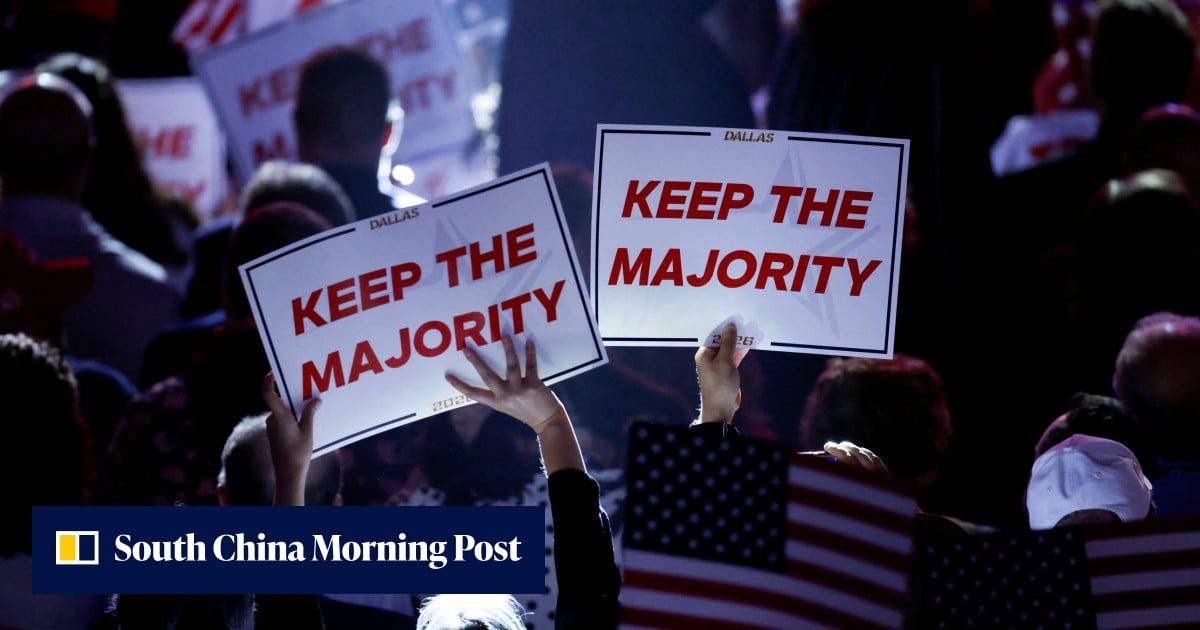
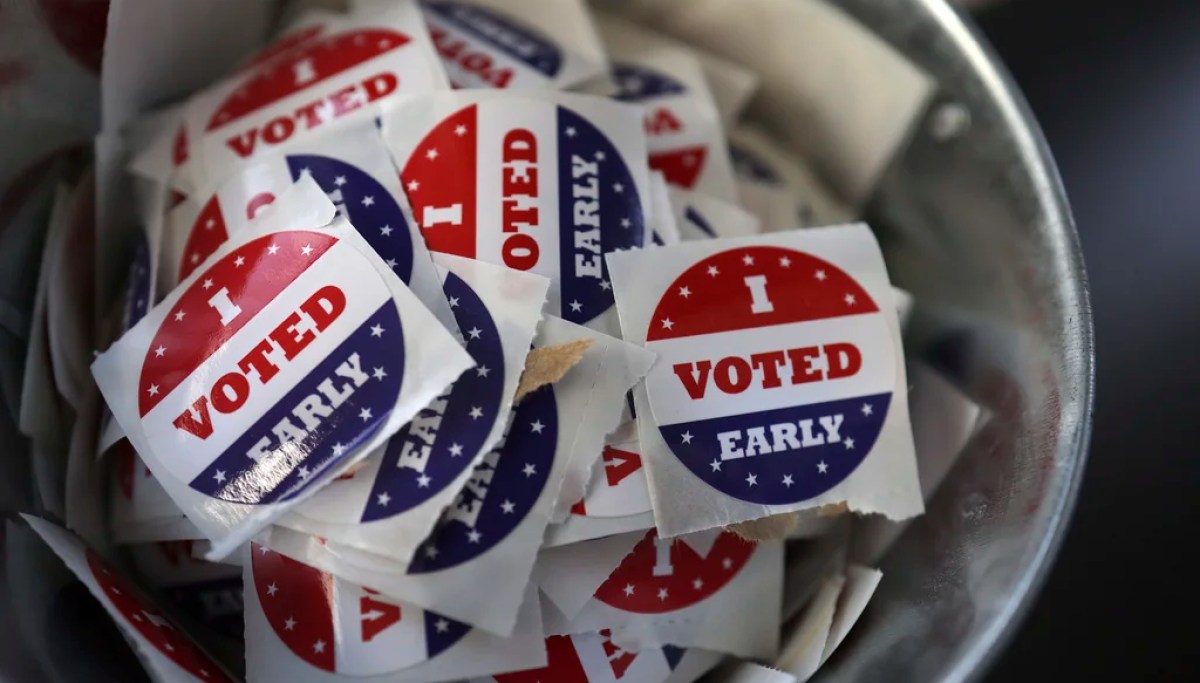
The 2026 midterm election is bearing down on Republicans.
asserted
election → bear → Republicans
How it will turn out will be determined, in part, by whom history says controlled the narrative.
asserted
history → turn → narrative
Sadly, Republicans are losing that battle just as they did in 2006 when the Iraq War became the decisive issue.
asserted
War → lose → 2006
After the 2004 presidential election, Republicans had a House majority of 232 seats to 202 seats held by the Democrats.
asserted
Republicans → have → Democrats
After the 2006 election, that was reversed, with Democrats holding 233 seats to 202 for Republicans, with Democrats even picking up the one independent seat.
asserted
Democrats → reverse → seat
What might be surprising about that loss is that the 2006 economy was growing at 3% and there were 1.8 million new jobs added in 2006.
uncertain
economy → grow → 2006
So, how did Republicans lose the House in that dramatic fashion in 2006?
asserted
Republicans → lose → 2006
The public was weary of it and exit polls showed that 56% of Americans disapproved of it.
asserted
% → show → it
President George W. Bush’s approval ratings were tied to that war, and he had a similar disapproval rating.
asserted
he → tie → rating
In the process, independent voters voted decisively for Democrats 57% to 39% in those midterms in contrast to voting slightly in favor of Republicans in 2004.
asserted
voters → vote → 2004
Keep in mind that the Iraq War did not result in substantial hardships for Americans as compared to prior wars such as Vietnam, Korea or the world wars.
asserted
War → keep → Vietnam
Yes, gas prices did rise (sound familiar?).
asserted
prices → rise → ?
But they were significantly dropping by the time of the election.
asserted
they → drop → election
As for the Iraq War itself, nearly 20 times as many Americans had died in the Vietnam War than had in the Iraq War by the 2006 midterms.
asserted
Americans → die → midterms
While all troop deaths are always tragedies, that comparison is made to give context between two major wars and public perception about their gravity and losses.
asserted
comparison → make → gravity
To a large degree, the controlling dynamic of the 2006 election was the public’s view of the Iraq War, the Foley scandal and the lack of a Republican narrative.
asserted
dynamic → control → narrative
Elections, however, should never be analyzed just for what happened.
asserted
what → analyze → ?
They also should be analyzed for what didn’t happen.
asserted
what → analyze → ?
What didn’t happen in the 2006 midterms was the voters getting a forward-looking reason to vote for Republicans.
asserted
voters → happen → Republicans
The public was weary of it and exit polls showed that 56% of Americans disapproved of it.
asserted
% → show → it
Elections are always about the future – regardless of what you have done in the past.
asserted
you → do → past
However, in keeping with almost every midterm election in the past, the party in the White House did not present voters with a plan going forward.
asserted
party → keep → plan
Republicans had no three-point plan that they promised voters they would implement if elected to take control of the House.
asserted
they → have → House
Instead, they placed their hopes on a money advantage, past laurels and a sophisticated get-out-the-vote plan.
asserted
they → place → vote
In plain terms, that did not and could not result in Republicans controlling the narrative of the 2006 midterms.
uncertain
Republicans → do → midterms
As a result, Republicans were defined by events and the Democrats.
asserted
Republicans → define → events
Fast-forward to today, and the comparisons between 2006 and 2026 should be manifest.
asserted
comparisons → forward → 2006
Both times, Americans had grown weary of the war – although the Iraq War had been waged for nearly three years compared to just six months in 2026.
asserted
War → grow → 2026
Both times gas prices had risen.
asserted
prices → rise → ?
Today, the economy has many very bright spots, including record-low poverty rates, a manufacturing boom and strong consumer spending.
asserted
economy → have → rates
Wages are outpacing inflation (unlike the Biden years) and the stock market is booming.
asserted
market → outpace → years
A good deal of the country, however, would never know it given the Divided Media Era in which we live.
asserted
we → know → which
Worse yet, Republicans have not told voters their plan for 2027.
asserted
Republicans → tell → 2027
They have called out the Democrats and their socialist ways.
asserted
They → call → Democrats
However, saying the other side is bad, isn’t a forward-looking plan.
asserted
side → say → ?
Indeed, Republicans have yet to say, "Elect us to control of the House and we will do one, two and three."
asserted
we → have → one
As a result, Republicans have failed to control the narrative just as they did in 2006.
asserted
they → fail → 2006
While their losses likely won’t be as large as 2006 because of gerrymandering, Republicans should have learned from their past mistakes.
asserted
Republicans → learn → mistakes
Fortunately, there is still time and there three-point plan should be:
- Reducing the federal tax for all homeowners selling their homes by half, including not tax for seniors over 65, which will open up the housing market;
- Saving Social Security by reducing government fraud – each $100 million saved equates to over 42,000 monthly Social Security benefits for seniors.
- Requiring safety for Americans in the AI age.
asserted
million → be → age
The old saying goes, "You can’t be something with nothing."
asserted
You → go → nothing
…and 1 more, not listed.
 The Aporia