Photo via The Hindu

Nepal floods: Indian volunteers take relief to isolated communities as access remains a challenge

Read the original at The Hindu ↗
Cite

Kaur, L. (2026, September 4). Nepal floods: Indian volunteers take relief to isolated communities as access remains a challenge. The Hindu. https://www.thehindu.com/news/international/nepal-floods-indian-volunteers-take-relief-to-isolated-communities-as-access-remains-a-challenge/article71428127.ece

Dated when The Aporia collected the article, usually within hours of publication. Check the original for its exact date and byline.

The Hindu · collected 2026-09-04 · by Lavpreet Kaur

Quick Summary

Indian volunteers from Khalsa Aid are traveling up to 10 hours through damaged mountain roads and bridges to deliver relief supplies, including food, bedding, and household essentials, to isolated communities affected by floods in Nepal. The volunteers are focused on reaching families who have lost everything, but the terrain and infrastructure make it a major logistical challenge. With some areas accessible only by helicopter, each trip can cost around $2,000, significantly increasing the cost of delivering relief. The organization is also assessing the needs of affected communities for longer-term recovery, including shelter, clean water, sanitation, and restoring livelihoods.
Written by AI on 2026-09-05, from this article's own text only (the story summary below draws on all the coverage).

AI analysis

Story summary

On August 26, a catastrophic flood struck the Nepal-Tibet region after a glacier collapsed in Nepal, resulting in over 1,300 deaths and leaving more than 5,500 people missing. Ten days later, on September 5, rescuers pulled out two survivors: Luhaitao, a Chinese man from a hydropower tunnel in Rasuwa district, and Chandrika Shrestha, a 64-year-old Nepali woman rescued from her home in Nuwakot district. Both were airlifted for medical treatment. The rescue operations continue amid immense challenges, with the UN launching an appeal for $US50 million to help over 84,000 affected individuals.

Written for “Nepal China Flood Rescues” on 2026-10-30, grounded in this article and the 53 other(s) covering the same event.

Story

📰 Nepal China Flood Rescues
World · 54 article(s) covering the same event. Compare every outlet's account →

Compared with similar articles

This article reads leans left and hedges 0% of its claims. Each row says how that neighbour differs.
Deutsche Welle
⚖️ Leans left Hedges 1 of 41 claims Outlet record 95/100
Global News
Hedges 0 of 13 claims Outlet record 63/100
The Guardian
Hedges 1 of 49 claims Outlet record 66/100
Al Jazeera
Hedges 3 of 47 claims Outlet record 60/100
UPI
Hedges 0 of 17 claims Outlet record 56/100
Al Jazeera
Hedges 2 of 42 claims Outlet record 60/100
Deutsche Welle
⚖️ Leans strongly left further left than this Hedges 6 of 31 claims Outlet record 95/100
CBC News
Hedges 6 of 25 claims Outlet record 74/100
NPR
⚖️ Leans left Hedges 5 of 54 claims Outlet record 60/100
The Hindu
Hedges 0 of 2 claims Outlet record 60/100
How this article was measured signals, leaning charts, publisher record, byline, topics and claims

Signals How these are calculated →

Claims extracted
26
sentences that state something as happening or true
Uncertain
0%
0 of 26 hedged ("reportedly", "may", "according to")
Leaning
Leans left
of the writing, not the subject · beta estimate
Publisher signals
60/100
The Hindu's corrections and hedging, across everything collected from it. Not a measure of accuracy.
Outlets on this story
54
World
Same framing elsewhere
1
articles that frame the event the way this one does
Analyzed 2026-09-05 · source text last changed 2026-09-05 · how these are computed

How this is being covered How these are calculated →

Article leaning vs. publisher reliability
Source leaning vs. consistency

Publisher

The Hindu · 907 article(s) · 2 correction(s) detected
Running correction rate · 2 correction(s)

Who wrote this

Lavpreet Kaur
1 article(s) here · 1 carrying a prediction
🔮 At the same time, we are assessing and documenting what each community will need for longer-term recovery,” Mr. Naidu said.
The only article under this byline in the corpus.

Topics

Indian Khalsa Aid Rasuwa The Hindu Trishuli

Subjects

Naidu PERSON · 3× Trishuli GPE · 3× Indian NORP · 2× Khalsa Aid ORG · 2× Nepal GPE · 2× Rasuwa GPE · 2× Kathmandu GPE · 1× Manohar Naidu PERSON · 1× The Hindu ORG · 1× Tupche GPE · 1×

Narrative

The relief effort is increasingly shifting from accessible flood-hit areas to isolated settlements, where families have lost homes, livestock, belongings and livelihoods, but the terrain and damaged infrastructure make reaching them difficult.
framing: assertive · carried by 1 article(s) · first seen 2026-09-05
🔮 At the same time, we are assessing and documenting what each community will need for longer-term recovery,” Mr. Naidu said.

Claims (26 extracted, 0 hedged)

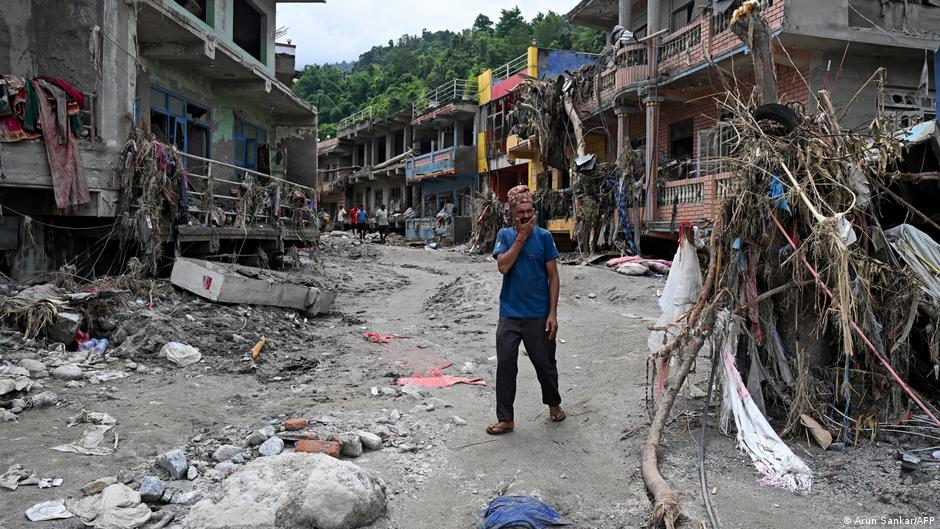
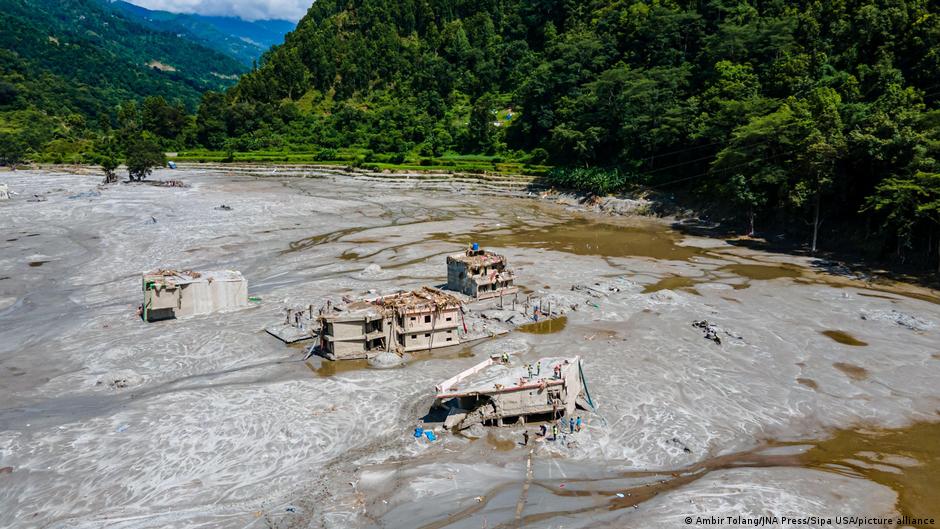
For nearly 20 members of a family in Trishuli, one room has become home after devastating floods destroyed homes, cut roads and left several families without basic amenities. asserted
floods → become → amenities
A week on, Indian volunteers are travelling up to 10 hours through damaged mountain roads and bridges to take food, bedding and household essentials to such communities, while some areas of Rasuwa remain accessible only by helicopter. asserted
areas → travel → helicopter
The relief effort is increasingly shifting from accessible flood-hit areas to isolated settlements, where families have lost homes, livestock, belongings and livelihoods, but the terrain and damaged infrastructure make reaching them difficult. asserted
reaching → shift → them
“Almost a week after the floods, some of the more accessible areas are slowly seeing relief reach them, but our biggest concern now is reaching the families who have been most severely affected and remain isolated asserted
who → see → families
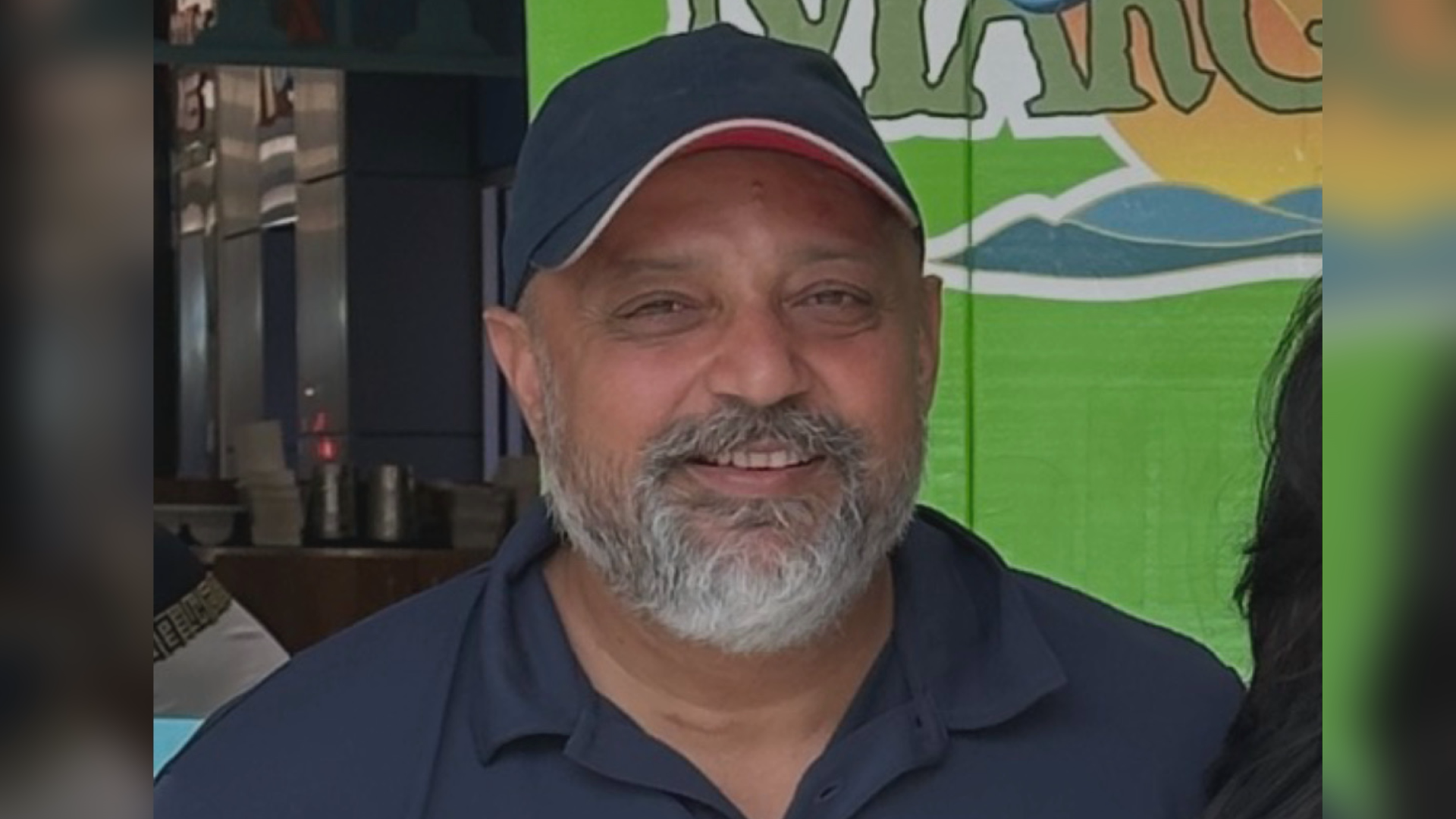
,” Manohar Naidu, a Khalsa Aid volunteer, told The Hindu from Nepal. asserted
Naidu → tell → Nepal
In Trishuli, Tupche and other remote communities, volunteers have found several families living together with little shelter or basic household equipment. asserted
volunteers → find → shelter
Some, they said, have effectively lost everything. asserted
they → say → everything
The volunteers also described mass burials being carried out as mortuaries run out of space, with forest land being cleared to accommodate bodies as the death toll rises and many remain unidentified. asserted
many → describe → bodies
“Our immediate support is focused on essential relief such as food, clothing, bedding and basic household requirements. asserted
support → focus → food
At the same time, we are assessing and documenting what each community will need for longer-term recovery,” Mr. Naidu said. asserted
Naidu → assess → recovery
Reaching the affected communities has become a major logistical challenge. asserted
Reaching → reach → communities
Some journeys from Kathmandu to areas such as Trishuli take nine to 10 hours, with damaged or completely washed-out roads and bridges forcing volunteers to take longer routes. asserted
roads → take → routes
Teams are travelling in trucks carrying supplies, while demand for 4x4 vehicles has surged, making them difficult to arrange and prompting suppliers to raise prices. asserted
them → travel → prices
The problem is more acute in Rasuwa, where some affected areas have no road connectivity and helicopters are the only practical option. asserted
helicopters → affect → connectivity
Each trip can cost around $2,000, significantly increasing the cost of delivering relief. “So the challenge is not simply having relief material available. asserted
material → cost → relief
The biggest challenge is getting that aid to the families who need it most,” Mr. Naidu said. asserted
Naidu → get → it
The organisation is procuring supplies locally, but demand is outstripping availability for mattresses, solar lights and other household items. asserted
demand → procure → mattresses
“People need much more than food. asserted
People → need → food
They are asking how they are going to rebuild their lives,” Mr. Naidu said. asserted
Naidu → ask → lives
The next phase will require shelter, clean water and sanitation and getting children back into education, followed by restoring livelihoods and rebuilding homes, roads, bridges and community infrastructure. asserted
phase → require → homes
Khalsa Aid had earlier proposed adopting inaccessible villages for longer-term support. asserted
Aid → propose → support
The proposal is being assessed on the extent of damage, families affected, livelihood losses and infrastructure needs, with the aim of concentrating resources in severely affected communities rather than spreading assistance thinly. asserted
proposal → assess → assistance
The organisation is also considering temporary holding centres with mattresses, portable washroom facilities and cooking arrangements for families living together without basic amenities. asserted
organisation → consider → amenities
Ten Indian volunteers are currently involved in logistics, assessments, packing and distribution. asserted
volunteers → involve → logistics
Many have prior disaster-response experience, including during the recent Assam floods, but Nepal has posed added challenges of mountainous terrain, long journeys and limited electricity and internet connectivity. asserted
Nepal → have → terrain
The organisation has also sought official permission to clear debris in local areas to restore connectivity and ease access to affected communities. asserted
organisation → seek → communities

💬Give feedback
🕘History 🎫Support