 The Aporia
Associated Press. (2026, September 28). Inside Malaysia’s plan to steal China’s durian market from Thailand. South China Morning Post. https://www.scmp.com/news/asia/southeast-asia/article/3369000/inside-malaysias-plan-steal-chinas-durian-market-thailand?utm_source=rss_feed
Associated Press. “Inside Malaysia’s plan to steal China’s durian market from Thailand.” South China Morning Post, 28 Sept. 2026, https://www.scmp.com/news/asia/southeast-asia/article/3369000/inside-malaysias-plan-steal-chinas-durian-market-thailand?utm_source=rss_feed.
Associated Press. “Inside Malaysia’s plan to steal China’s durian market from Thailand.” South China Morning Post, September 28, 2026. https://www.scmp.com/news/asia/southeast-asia/article/3369000/inside-malaysias-plan-steal-chinas-durian-market-thailand?utm_source=rss_feed.
Dated when The Aporia collected the article, usually within hours of publication. Check the original for its exact date and byline.
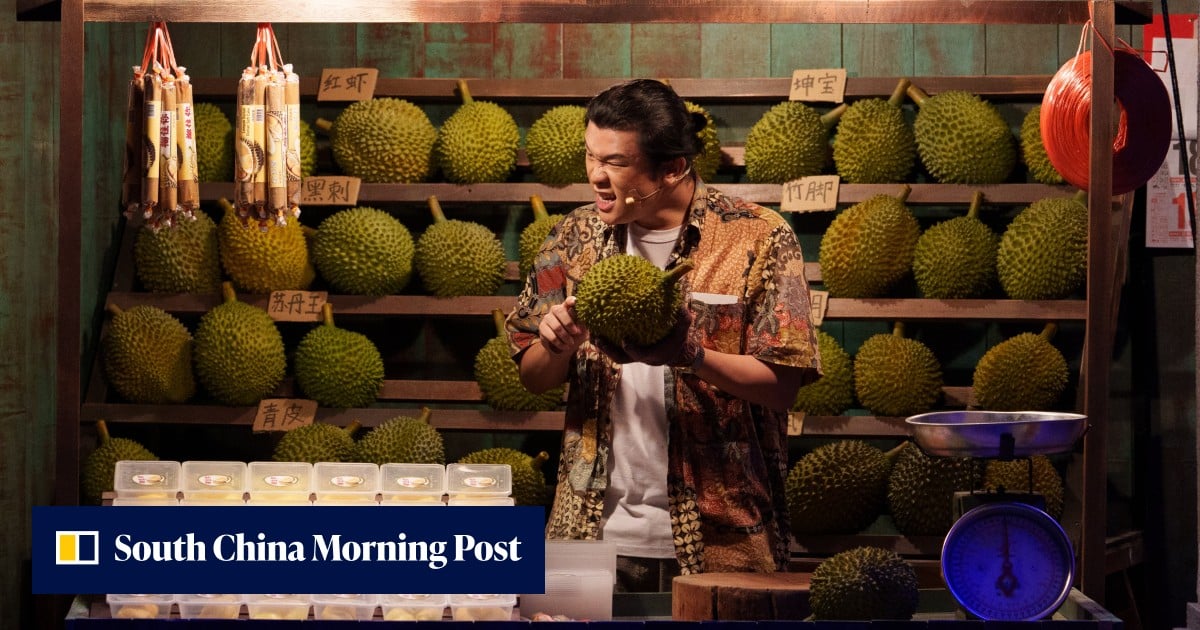
Malaysia is actively promoting its native durian, a spiky fruit with a powerful smell that delights some and repels others, by expanding beyond traditional roadside stalls to high-end markets. Devotees compare eating durian to enjoying wine, appreciating the rich and creamy flesh's diverse flavors, which range from sweet custard notes to hints of bitterness or even peanut butter flavor. To bolster this initiative, Malaysia opened the Kuala Lumpur Durian Experience Centre, a two-story facility near the iconic Petronas Twin Towers that spans about 1,900 square meters and includes interactive exhibits, theater shows, and tasting sessions. The center, which cost nearly $2 million to build, aims to showcase Malaysia’s durian varieties and their unique qualities. Meanwhile, China, a major importer of durians, purchased 1.87 million tonnes worth $7.5 billion in the previous year, with imports increasing sixfold over the past decade, presenting an opportunity for Malaysian producers to capture market share from competing nations like Thailand.


