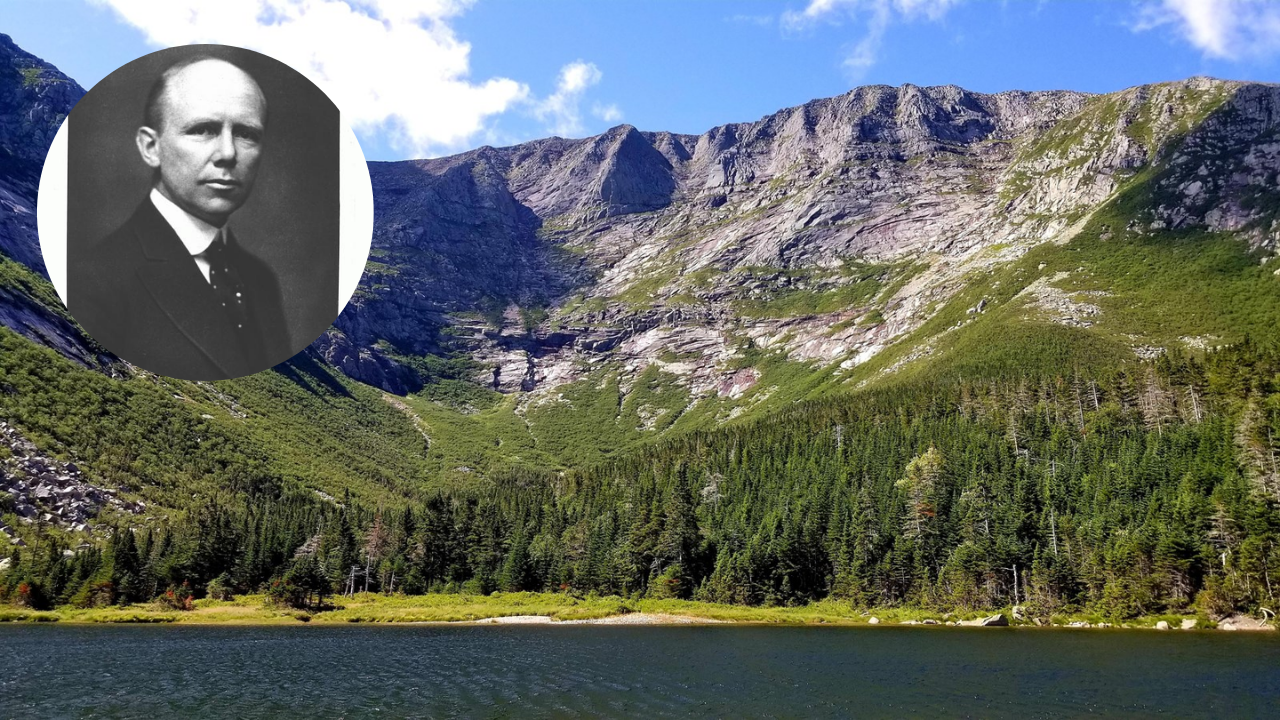
A former governor of Maine built one of North America’s largest state parks piece by piece over three decades.
asserted
governor → build → decades
He paid for every purchase with his own money after efforts to use public funds failed.
asserted
efforts → pay → funds
Percival P. Baxter made his first purchase, 5,960 acres around Mount Katahdin, in 1930.
asserted
Baxter → make → 1930
By the time he made his final land gift 32 years later, he had given 201,018 acres to the people of Maine.
asserted
he → make → Maine
Later land purchases, gifts, and transfers increased the total size of Baxter State Park to 209,644 acres, according to records from the Baxter State Park Authority.
uncertain
purchases → increase → Authority
The land campaign remains one of the largest efforts by one person to protect land in American history.
asserted
campaign → remain → history
A political defeat turns into a private campaign
Baxter first tried to protect Mount Katahdin while serving in the Maine State Legislature during the 1920s.
asserted
Baxter → turn → 1920s
He introduced bills to create a state park around Maine’s highest peak, but his efforts failed.
asserted
efforts → introduce → peak
Timber interests and political opposition stood in the way.
asserted
interests → stand → way
When Baxter left public office in 1925, he stopped trying to create the park through politics and decided to buy the wilderness himself.
asserted
he → leave → wilderness
He spent the next 32 years dealing directly with private timber firms, paper companies, and individual landowners across northern Maine.
asserted
He → spend → Maine
“Man is born to die, his works are short-lived,” Baxter wrote in a letter to the Maine Legislature with his first deed of gift in 1931.
asserted
Baxter → bear → 1931
“Buildings crumble, monuments decay, wealth vanishes, but Katahdin in all its glory forever shall remain the mountain of the people of Maine
asserted
Katahdin → crumble → Maine
Instead of using eminent domain or state money, Baxter bought the land with his family fortune.
asserted
Baxter → use → fortune
His father had built that fortune through a canned goods business and real estate investments.
asserted
father → build → business
Binding trust deeds protect the wilderness
To make sure the land stayed wild, Baxter put strict conditions into his 28 separate deeds of trust given to the state between 1931 and 1962.
asserted
Baxter → bind → 1931
The Baxter State Park Authority’s records say Baxter required most of the park to “forever be kept in the natural wild state” and remain a sanctuary for wild animals and birds.
asserted
most → say → animals
His deeds banned industrial development, paving, and some forms of commercial recreation.
asserted
deeds → ban → recreation
He also kept the park outside Maine’s regular state park system.
asserted
He → keep → system
The goal was to prevent future state governments from changing the rules Baxter had set.
asserted
Baxter → prevent → rules
“State Park rules do not apply to Baxter State Park,” says the management plan published by the Baxter State Park Authority.
asserted
plan → apply → Authority
Instead, the park is run by a three-member authority made up of the Maine attorney general, the director of the Maine Forest Service, and the commissioner of Inland Fisheries and Wildlife.
asserted
park → run → Fisheries
Baxter also created trust funds to help pay for park operations without depending on Maine taxpayer money or regular state appropriations.
asserted
Baxter → create → money
Managed forestry vs absolute wilderness
Baxter wanted the central mountain area to stay wild, but he gave different instructions for the northern part of the park.
asserted
he → want → park
From 1955 to 1962, Baxter acquired more than 28,000 acres in the northern section and set it aside as the Scientific Forest Management Area.
asserted
Baxter → acquire → Area
His deeds said this land should be managed with sustainable forestry methods.
asserted
land → say → methods
The goal was to show how timber production and forest protection could work together.
uncertain
production → show → ?
The park now identifies the area as 29,537 acres.
asserted
park → identify → acres
The park’s management documents say timber is selectively harvested in this area.
asserted
timber → say → area
Revenue from the harvest helps support park operations.
asserted
Revenue → support → operations
The park’s 2025 forest management plan also includes projected timber revenue as part of the area’s financial planning.
asserted
plan → include → planning
Expanding the footprint beyond 200,000 acres
Baxter made his final land gift in 1962, at age 86, bringing his direct gifts to 201,018 acres.
asserted
Baxter → expand → acres
He died seven years later, in 1969.
asserted
He → die → 1969
After his death, the park continued to grow through land trades, purchases, and transfers.
asserted
park → continue → trades
Later additions, including land near Trout Mountain and other boundary changes, brought the park’s total area to 209,644 acres.
asserted
additions → include → acres
Today, the park contains more than 40 mountain peaks and ridges, including Mount Katahdin’s Baxter Peak.
asserted
park → contain → Peak
The peak rises to about 5,268 feet and marks the northern end of the roughly 2,200-mile Appalachian Trail.
asserted
peak → rise → Trail
Park rules limit vehicle traffic and campsite sizes.
asserted
rules → limit → traffic
Campgrounds also do not have electricity or running water.
asserted
Campgrounds → have → electricity
These limits help preserve the wilderness setting Baxter established through his original deeds.
asserted
Baxter → help → deeds
 The Aporia