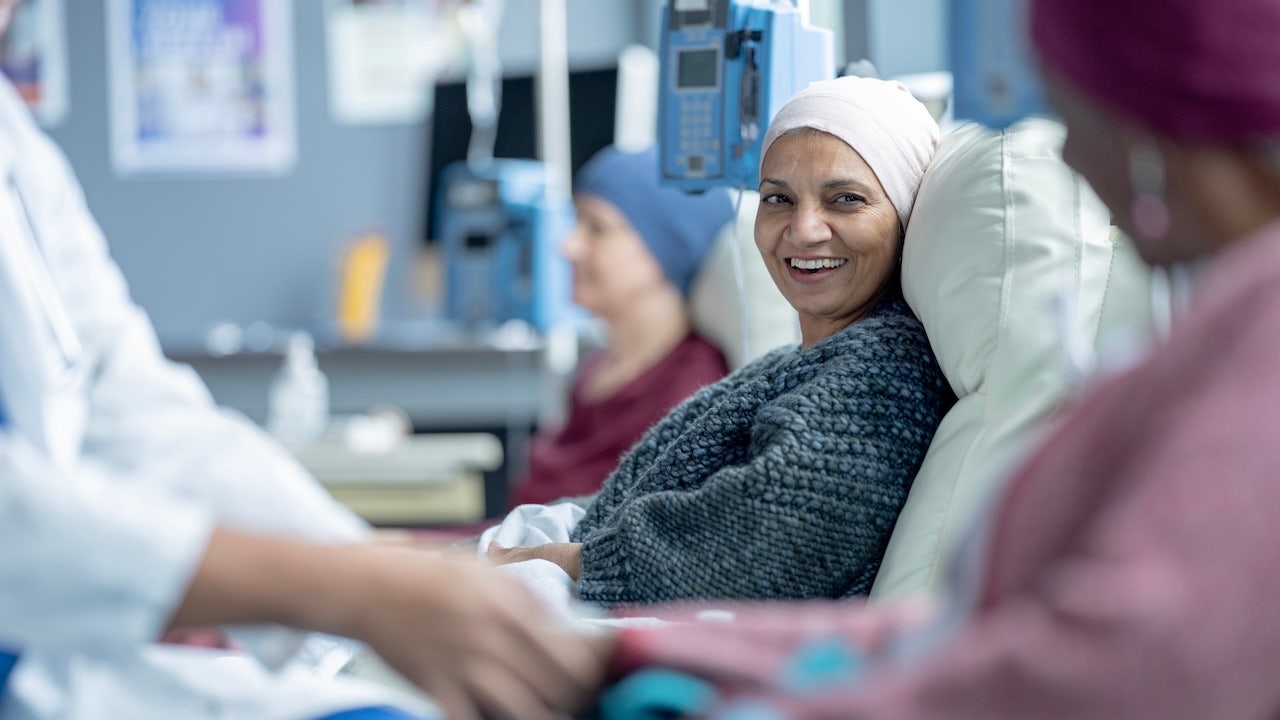
One in eight cancers worldwide could be triggered by infections, many of which can be prevented through vaccinations, a study has found.
uncertain
study → trigger → vaccinations
Researchers from the International Agency for Research on Cancer, found that of the 19.2 million new cancer cases in 2024, around 2.3 million were linked to infections.
asserted
million → find → infections
The vast majority of these cancer cases were connected to just five infections.
asserted
majority → connect → infections
These included Helicobacter pylori (H. pylori) – a common bacterium that infects the stomach and is often spread through contaminated food and water – human papillomavirus (HPV); hepatitis B and C; and the Epstein-Barr virus (EBV), which is best known for causing glandular fever.
asserted
which → include → fever
Low- and middle-income countries faced the biggest burden, accounting for around 77 per cent of all infection-related cases.
asserted
countries → face → cases
Eastern Asia saw the largest number with 990,000 cancer cases linked to infections – equivalent to 42 per cent of the global total, driven mainly by H. pylori and hepatitis B.
Writing in the journal The Lancet Oncology, the researchers said the findings highlight the importance of infection control in reducing cancer rates.
asserted
findings → see → rates
'Although investment in the development of new preventive vaccinations is key, many prevention strategies are known to be cost-effective,' the authors wrote.
asserted
authors → know → vaccinations
One in eight cancers worldwide could be triggered by infections, many of which can be prevented through vaccinations
'
uncertain
many → trigger → vaccinations
Unfortunately, such strategies are often underused due to societal, financial and political barriers, often in the settings that need them most.
asserted
that → underuse → them
These include improving uptake of the HPV vaccine, promoting safe injection practice, increasing access to condoms and HIV prevention drugs (PrEP), and identifying and treating early signs of cervical and anal cancer.
asserted
These → include → cancer
In Western Europe, HPV was linked to 24,000 cancer cases in 2024, making it the region's biggest infection-related cause of cancer.
asserted
it → link → cancer
HPV is a common virus that infects the skin and cells lining the inside of the body, including the mouth, throat and genitals.
asserted
that → infect → mouth
It spreads through close skin-to-skin contact, usually during sexual activity.
asserted
It → spread → activity
But for most people it won't cause any problems.
asserted
it → cause → problems
However, there are around 14 high-risk types of HPV that can increase the risk of cancer – changing the DNA inside cells over time, causing them to grow out of control and lead to cancer.
asserted
them → be → cancer
Nearly all cases of cervical cancer are caused by HPV, while the virus is also linked to cancers of the throat, mouth, anus, penis, vulva and vagina.
asserted
virus → cause → throat
As a result, HPV vaccination and cervical screening are at the core of the World Health Organisation's strategy to eliminate cervical cancer, the researchers note.
asserted
researchers → eliminate → cancer
H. pylori live in the sticky mucus that lines the stomach
In the UK, screening is offered to all women aged 25 to 64.
asserted
screening → live → women
The HPV vaccine, which is routinely offered to children aged 12 to 13, can dramatically reduce the risk of developing HPV-related cancers.
It is also available to people up to the age of 25 who missed the jab at school, as well as men who have sex with other men up to the age of 45.
asserted
who → offer → 45
Using condoms can also help reduce the risk of infection.
asserted
Using → use → infection
The study found that H. pylori was the single biggest infection-related cause of cancer worldwide in 2024, accounting for around 760,000 cases.
asserted
pylori → find → cases
Most were stomach cancers, with several European countries now screening people for the bacterium.
asserted
countries → screen → bacterium
Research published earlier this month suggested H. pylori may also be responsible for up to one in five bowel cancer cases – with those exposed to the bacteria facing a 60 per cent increased risk of colorectal cancers than those who have never been exposed.
uncertain
who → publish → those
However, the researchers noted that progress in developing vaccines against H. pylori has been slow, despite experts saying such advances could have a major impact on reducing stomach cancer rates worldwide.
uncertain
advances → note → rates
Meanwhile, Epstein-Barr virus - which infects around 95 per cent of UK adults at some point in their lifetime – now ranks as the fourth-largest cause of cancer globally, ahead of hepatitis C.
Experts said the finding was concerning given how widespread the virus is.
asserted
virus → infect → C.
However, the researchers stressed that infection alone is unlikely to cause cancer, with factors such as genetics, overall health and diet also thought to influence risk.
asserted
factors → stress → risk
The team concluded: 'As there are currently no efficient strategies to control infection, EBV should be considered an important target for prevention.'
Several clinical trials looking into EBV vaccines are ongoing.
Hepatitis B and C combined accounted for around a third of all infection-related cancers, most of which were liver cancer.
Unlike many other cancer risk factors, researchers said hepatitis-related cancers should be highly preventable, because effective treatments already exist.
asserted
treatments → conclude → factors
Hepatitis B can also now be controlled with antiviral drugs, while hepatitis C can now be cured in most patients.
asserted
C → control → patients
In the UK, the NHS recommends hepatitis B vaccination for all babies as part of the routine childhood vaccination and high-risk individuals including those who inject drugs, men who have sex with men, sex workers, people with chronic liver disease or kidney failure and healthcare workers.
asserted
who → recommend → disease
The virus spreads through contact with infected blood and prevention relies on testing, treatment and reducing exposure.
asserted
prevention → spread → exposure
The NHS advises people not to share toothbrushes or razors, to ensure tattoos and piercings are carried out by licensed providers and to practise safer sex to limit the risk of infection.
asserted
tattoos → advise → infection
The findings come amid growing concern that modern lifestyles may be fuelling an epidemic in early-onset cancer – before the age of 50 – especially in women.
uncertain
lifestyles → come → women
The Government's long-awaited national cancer plan is expected to include measures to improve lifestyles, diagnose and treat patients earlier, and to help people with cancer remain in or get back to work.
asserted
people → await → work
 The Aporia