Photo via The Hindu

Nepal’s flash foods: How can communities rebuild after a disaster?

Read the original at The Hindu ↗
Cite

Varadarajan, K. S. N. (2026, September 29). Nepal’s flash foods: How can communities rebuild after a disaster? The Hindu. https://www.thehindu.com/news/international/nepals-flash-foods-how-can-communities-rebuild-after-a-disaster/article71521274.ece

Dated when The Aporia collected the article, usually within hours of publication. Check the original for its exact date and byline.

The Hindu · collected 2026-09-29 · by Kunal Shankar; Nivedita Varadarajan

Quick Summary

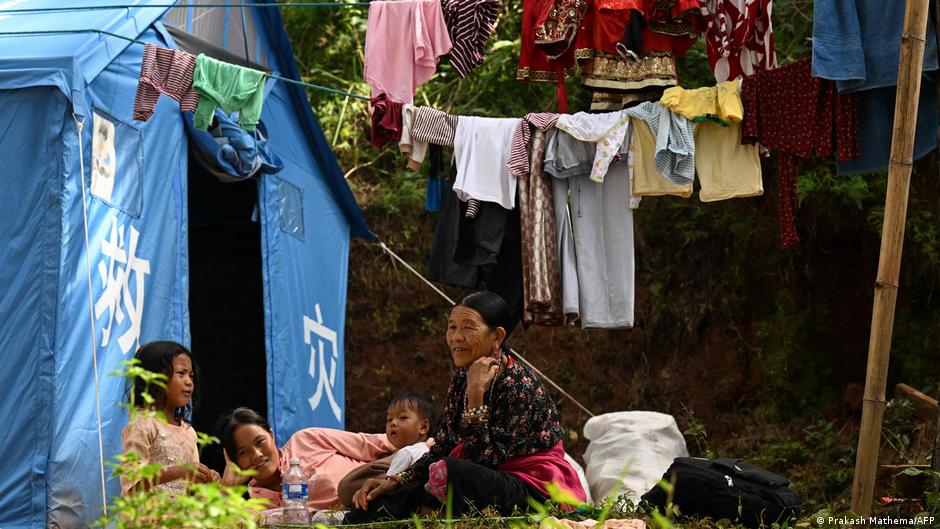
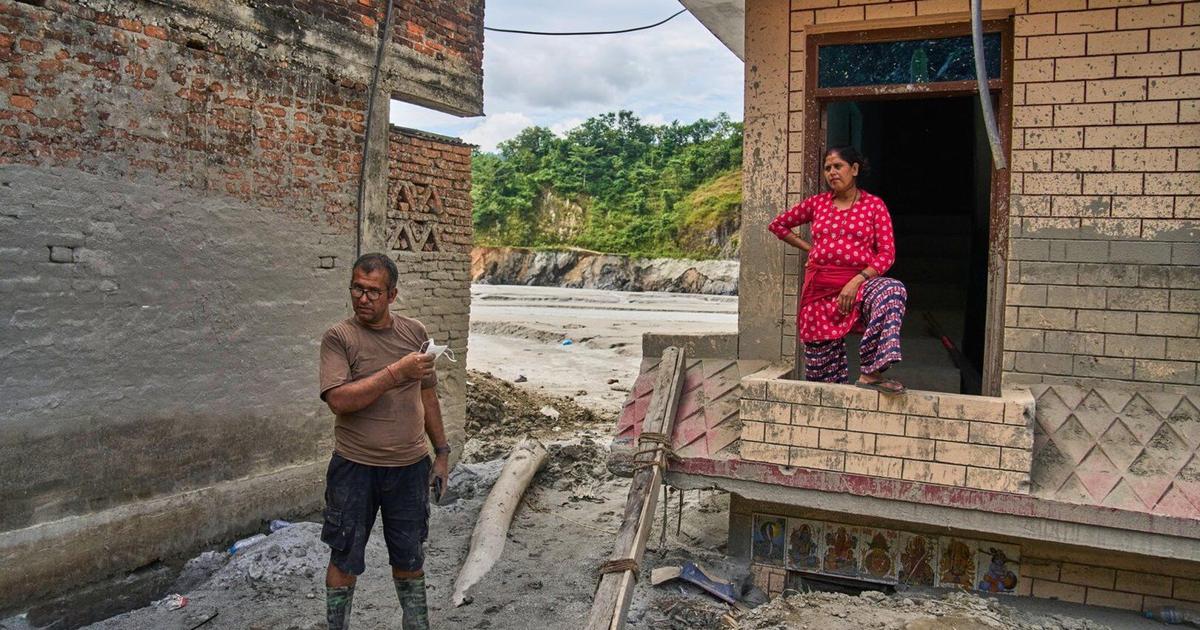
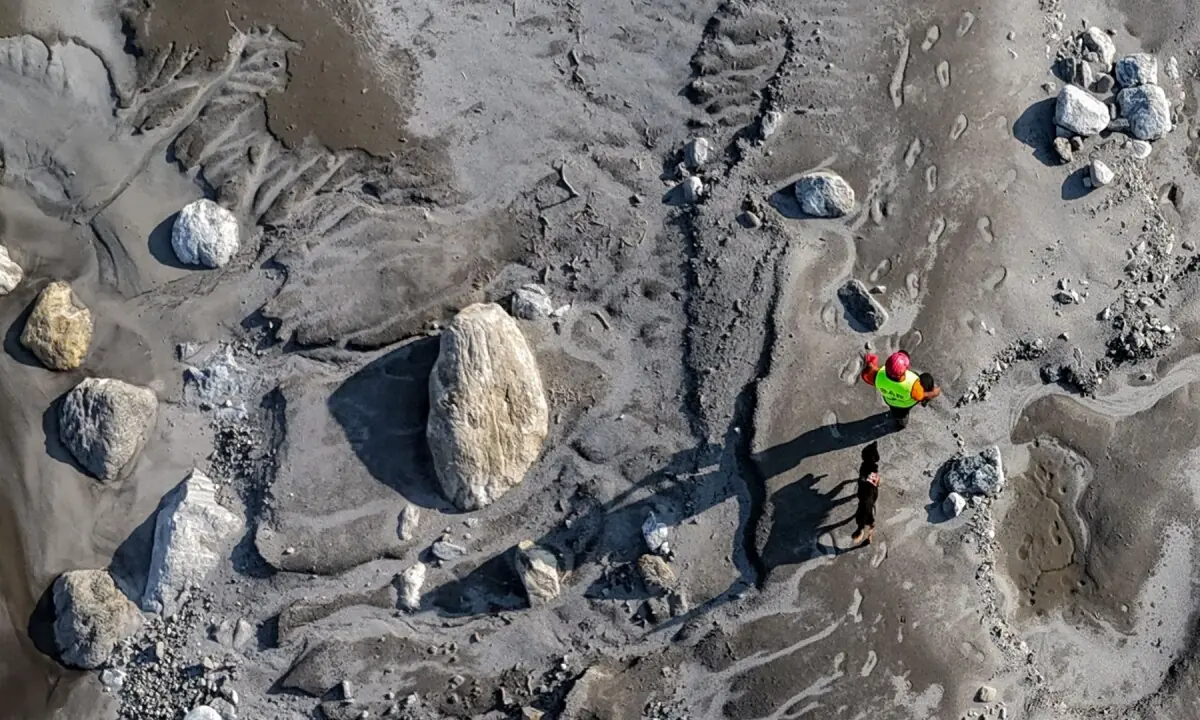
On August 26, floods in Nepal’s Rasuwa, Nuwakot, and Dhading districts caused extensive damage to infrastructure and communities, prompting immediate rescue efforts followed by a focus on rehabilitation and recovery one month later. Dr. Nimesh Dhungana of the University of Manchester discusses how government responses to disasters like the 2015 earthquake and recent floods show a pattern of decisive initial action but faltering commitment to long-term recovery, emphasizing the need for sustained engagement with affected communities and transparency in the reconstruction process.
Written by AI on 2026-09-29, from this article's own text only (the story summary below draws on all the coverage).

AI analysis

Story summary

Nepal's Prime Minister Balendra Shah proposed establishing a Himalayan Climate Resilience Mechanism at the UN General Assembly on September 24, 2026. The mechanism would be led by Nepal, India, and China to address climate-induced disasters like the devastating flash floods that hit northern Nepal near the Chinese border in August 2026, claiming over 1,453 lives. Shah emphasized the urgent need for international cooperation, including sharing satellite data and expertise, monitoring glacial lakes, and strengthening early warning systems. The proposal aims to prevent fragmented information from exacerbating future disasters. Recovery efforts post-floods are challenging, with thousands displaced and facing housing shortages that lack basic amenities like privacy and safety. Additionally, the disaster highlighted vulnerabilities in Nepal's hydropower sector, which accounts for over 90% of its electricity generation but faced significant damage, prompting calls to rethink future dam-building projects amid intensifying climate risks. Shah’s initiative underscores the need for global collaboration to mitigate climate-induced disasters in the Himalayan region.

Written for “Nepal Flood Recovery” on 2026-10-30, grounded in this article and the 19 other(s) covering the same event.

Story

📰 Nepal Flood Recovery
Politics · 20 article(s) covering the same event. Compare every outlet's account →

Compared with similar articles

This article reads leans left and hedges 2% of its claims. Each row says how that neighbour differs.
Dawn
Hedges 0 of 36 claims Outlet record 71/100
Deutsche Welle
Hedges 3 of 37 claims Outlet record 95/100
Al Jazeera
⚖️ Leans strongly left further left than this Hedges 1 of 17 claims Outlet record 60/100
ABC News (AU)
Hedges 4 of 66 claims Outlet record 68/100
Toronto Star
Hedges 1 of 38 claims Outlet record 64/100
Dawn
⚖️ Leans left Hedges 4 of 32 claims Outlet record 71/100
The Independent
Hedges 5 of 39 claims Outlet record 59/100
Al Jazeera
Hedges 0 of 3 claims Outlet record 60/100
“The articles describe different time periods and geographic areas affected by flooding in Nepal.”
Al Jazeera
Hedges 4 of 53 claims Outlet record 60/100
Dawn
Hedges 4 of 29 claims Outlet record 71/100
How this article was measured signals, leaning charts, publisher record, byline, topics and claims

Signals How these are calculated →

Claims extracted
88
sentences that state something as happening or true
Uncertain
2%
2 of 88 hedged ("reportedly", "may", "according to")
Leaning
Leans left
of the writing, not the subject · beta estimate
Publisher signals
60/100
The Hindu's corrections and hedging, across everything collected from it. Not a measure of accuracy.
Outlets on this story
20
Politics
Same framing elsewhere
1
articles that frame the event the way this one does
Analyzed 2026-09-29 · how these are computed

How this is being covered How these are calculated →

Article leaning vs. publisher reliability
Source leaning vs. consistency

Publisher

The Hindu · 907 article(s) · 2 correction(s) detected
Running correction rate · 2 correction(s)

Who wrote this

Kunal Shankar; Nivedita Varadarajan
1 article(s) here · 1 carrying a prediction
🔮 The ‘bite’, in this sense, is concrete measures that would protect the rights and welfare of disaster-affected communities.
The only article under this byline in the corpus.

Topics

Dhading Hindu Nepal Nuwakot Rasuwa

Subjects

Nepal GPE · 5× Dhading GPE · 1× Dhungana PERSON · 1× HCRI ORG · 1× Hindu NORP · 1× Humanitarian and Conflict Response Institute ORG · 1× Nimesh Dhungana PERSON · 1× Nuwakot GPE · 1× Rasuwa GPE · 1× the University of Manchester’s ORG · 1×

Narrative

The Hindu spoke to Dr. Nimesh Dhungana, Senior Lecturer in Disaster Studies and Global Health at the University of Manchester’s Humanitarian and Conflict Response Institute (HCRI), who studies disasters through the lens of governance, democracy and accountability, about recovery after the devastating flash floods.
framing: assertive · carried by 1 article(s) · first seen 2026-09-29
🔮 The ‘bite’, in this sense, is concrete measures that would protect the rights and welfare of disaster-affected communities.
2026-09-29 · The Hindu
Nepal’s flash foods: How can communities rebuild after a disaster? · assertive framing

Claims (88 extracted, 2 hedged)

On August 26, floods hit Nepal’s Rasuwa, Nuwakot and Dhading districts, wiping away entire towns and communities. asserted
floods → hit → towns
Roads and bridges were washed away, and telecommunications networks were down. asserted
networks → wash → ?
The immediate focus was on rescuing people trapped under debris and providing relief to those affected. asserted
focus → rescue → those
A month on, the focus has now shifted to rehabilitation, rebuilding and long-term recovery. asserted
focus → shift → rehabilitation
The Hindu spoke to Dr. Nimesh Dhungana, Senior Lecturer in Disaster Studies and Global Health at the University of Manchester’s Humanitarian and Conflict Response Institute (HCRI), who studies disasters through the lens of governance, democracy and accountability, about recovery after the devastating flash floods. asserted
who → speak → floods
Dr. Dhungana describes himself as an accidental disaster researcher who started studying disasters after the 2015 Nepal earthquake. asserted
who → describe → earthquake
He also studied the Himalayan country’s response to the COVID pandemic. asserted
He → study → pandemic
Is there a difference between the way the government responded to the 2015 earthquake, the COVID pandemic and the recent flash floods? asserted
government → respond → earthquake
The government has a sense of moral responsibility [to save lives] when a disaster of this scale strikes. asserted
disaster → have → scale
One common element is that the state acts decisively and with the speed required in the aftermath of such disasters. asserted
state → act → disasters
It mobilises its emergency forces, led by the security forces. asserted
It → mobilise → forces
However, we are increasingly seeing that the state’s response is not matched by a sustained commitment to long-term recovery and reconstruction. asserted
response → see → recovery
That responsibility starts to fade, particularly when it comes to listening to affected communities and ensuring that their rights are protected during the long-term recovery and reconstruction process. asserted
rights → start → process
It is about transparency, engagement with the affected population and ensuring that they have a say in the recovery and reconstruction process. asserted
they → affect → process
Your work suggests that disasters expose government failures that have built up, or existed long before the disaster itself. uncertain
that → suggest → disaster
What do you mean by this? asserted
you → mean → this
I think there is a long-standing debate about what constitutes a disaster. asserted
what → think → disaster
The recent floods have also forced us to revisit this basic question: what is a disaster in the first place? asserted
what → force → place
One way of thinking about it is as an event that is often unpredictable and attracts considerable attention from national and international media, as the recent floods did. asserted
floods → think → media
Another way of thinking about a disaster is as a process. asserted
way → think → process
It is something that happens because of long-term vulnerabilities. asserted
that → happen → vulnerabilities
Disasters are not caused by nature alone. asserted
Disasters → cause → nature
I think there is a growing consensus that a disaster is more of a process than just an event. asserted
disaster → think → event
Unfortunately, it is more comfortable to think of a disaster as an event, something beyond our control. asserted
it → think → control
We saw that with the 2015 earthquake and the pandemic. asserted
We → see → earthquake
This is not limited to Nepal; it is a wider issue. asserted
it → limit → Nepal
I think this is a problematic way of looking at disasters. asserted
this → think → disasters
It can absolve state actors of accountability. asserted
It → absolve → accountability
We need deeper introspection into the choices we make, our governance structures and institutions. asserted
we → need → choices
We should adopt a more rights-based approach to disaster response and rethink how we address longstanding inequalities and injustices. asserted
we → adopt → inequalities
The state is often quick to respond to disasters, but its approach is usually centralised and top-down. asserted
approach → respond → disasters
This undermines the roles and responsibilities of local bodies, which are the frontline responders. asserted
which → undermine → bodies
How do you balance the role of the local bodies and the federal government, especially when a massive disaster strikes a region, leaving the local communities wiped out? asserted
disaster → balance → communities
It depends on the scale of the disaster. asserted
It → depend → disaster
Given the scale of the disaster, Nepal needs support from outside, not just nationally, but also internationally. asserted
Nepal → give → outside
However, this is no excuse for not involving local representatives in the process. asserted
this → involve → process
Ward officials, elected representatives, local NGOs and community-based organisations, which are often at the forefront of disaster response, have greater knowledge of the local context. asserted
which → elect → context
In the Rasuwa floods, questions have been raised about their role being undermined by the centralised, top-down disaster response. asserted
questions → raise → response
Mobilising military and security forces for disaster relief is a way of centralisation. asserted
Mobilising → mobilise → centralisation
We need to think beyond security forces for the immediate response and recovery. asserted
We → need → response
…and 48 more, not listed.

💬Give feedback
🕘History 🎫Support