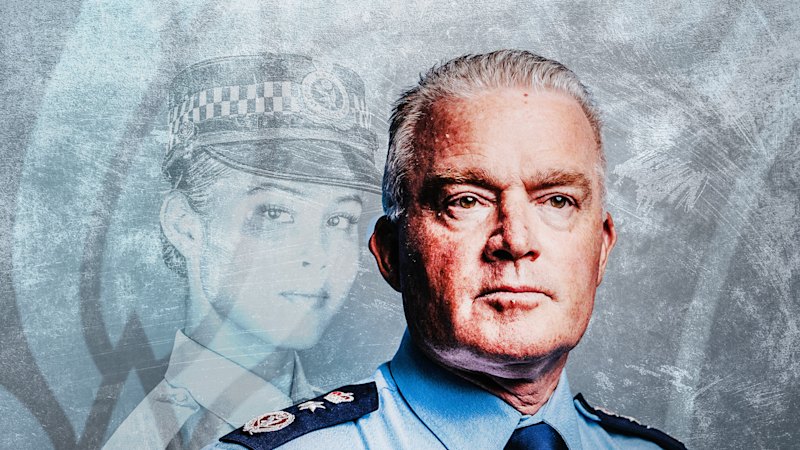
A “radicalized” subculture formed among the ranks of officers at a Montreal police station in a multicultural neighbourhood before it was rocked by allegations of racism and criminal misconduct, newly released internal briefing notes say.
asserted
notes → form → racism
The documents, obtained by The Canadian Press through access to information legislation, are part of a package prepared for the appearance of Fady Dagher, Montreal’s police chief, before a municipal public safety committee in August.
asserted
documents → obtain → August
The newly released records reveal details Dagher never shared with the public about what may have led police management to disarm and dismantle a 16-member patrol unit at the station located in the city’s Montréal-Nord borough.
uncertain
what → release → borough
The documents include a copy of Dagher’s presentation to the municipal committee and draft speaking notes describing how police handled the incident at the Montréal-Nord station.
asserted
police → include → station
The speaking notes say the reaction inside the force – after some officers blew the whistle about alleged misconduct by their colleagues – reflects how the police force was seeing cracks in a “code of silence” as part of a cultural shift in the organization that left a few officers feeling isolated.
asserted
that → say → officers
The internal records also confirm police had enough evidence to take action against members of the patrol unit a day before they dismantled the unit and informed the public late on a Friday night in mid-June.
asserted
they → confirm → June
The draft speaking notes say a subculture was developing within this patrol unit at the station, involving “a marginalized fringe [group] of our employees who were radicalized” and resisted efforts to eliminate misconduct and change the culture of the police force.
asserted
who → say → force
“These people reject all the work accomplished by Montreal police in recent years,” said one passage in the internal documents.
asserted
passage → reject → documents
“They rejected it and, in a way, made that known.
asserted
that → reject → way
They sought to recognize each other.”
asserted
They → seek → other
The documents do not explain what the force meant by “radicalized,” how many employees it believed the term applied to, or what it meant when it said they had sought to recognize each other.
asserted
they → explain → other
Dagher and other police officials have not shared details about alleged incidents that led police to dismantle the patrol unit; however, he has confirmed one of the allegations under review is about officers who allegedly cut the hair of racialized civilians to keep as trophies.
uncertain
who → share → trophies
Montreal police said they were working on responses to questions from The Canadian Press about the newly released documents but did not immediately provide answers.
However, in a statement published Monday, police said they had sent the evidence to Quebec prosecutors, who will determine whether criminal charges should be laid.
asserted
charges → say → prosecutors
Experts and anti-racism advocates have expressed alarm after being told about the language used in the internal documents.
asserted
Experts → express → documents
The police force “is basically admitting that a process of change will create little cliques of marginalized people that become even more brutal,” said Ted Rutland, a professor of geography at Concordia University who researches policing in Canada.
asserted
who → admit → Canada
“And that is believable and scary, so it’s interesting that [Dagher] didn’t say that out loud.”
asserted
Dagher → ’ → that
Martin Geoffroy, a sociology professor at Cégep Édouard-Montpetit, says it’s possible that officials were referring to far-right radicalization.
asserted
officials → say → radicalization
Geoffroy co-authored a federally funded study of far-right groups in Quebec and has studied far-right movements for over 20 years.
asserted
- → co → years
But he noted that he was speculating about what had happened within the patrol unit since the documents do not provide a detailed definition or explanation of its description of “radicalized” officers.
asserted
documents → note → officers
He said that his previous research found former police officers and military personnel were among members of far-right groups.
asserted
officers → say → groups
“What we can see in [the documents] is that there is resistance” to efforts to change the culture, he said.
asserted
he → see → culture
The documents also reveal new details about how employees reacted to the scandal, suggesting that most of the force were upset about the alleged actions of officers at the Montréal-Nord station.
asserted
most → reveal → station
“You have no idea how many Montreal police officers wrote to me expressing shock about what they had learned,” said the speaking notes.
asserted
notes → have → what
“It was to the point where they were furious with their colleagues for dishonouring their uniform and destroying all the work they had tried to accomplish over the years.”
asserted
they → dishonour → years
Dave Poitras, a sociologist at Université de Montréal who specializes in radicalization, said police forces are large organizations that can reflect the range of beliefs found in society.
asserted
that → specialize → society
But he cautioned that ideology alone cannot explain the alleged conduct at Station 39.
asserted
ideology → caution → Station
He said the factors that lead someone to commit such acts “obviously go beyond adherence to any ideology.”
asserted
that → say → ideology
Poitras is scientific director of Villes sans violence, a non-profit group that focuses on preventing extremism and hate crimes.
asserted
that → focus → extremism
He said his organization defines radicalization as a process of adopting extreme beliefs and a willingness to use, encourage or facilitate violence to advance an ideology, political project or cause.
asserted
organization → say → ideology
Such beliefs can involve placing certain groups above others, he said, citing racial hierarchies and white supremacy as examples.
asserted
he → involve → examples
He said some of the alleged conduct at Station 39 appears to have had a hateful character and that hateful incidents or crimes can result from radicalization.
asserted
incidents → say → radicalization
But not enough is known to determine whether individual officers were in fact radicalized, he said.
asserted
he → know → fact
Radicalization is “not something that happens overnight,” Poitras said.
asserted
Poitras → happen → ?
“It really has to be understood as a process on a continuum that can take time.”
asserted
that → have → time
The records also appears to reveal more about what police knew before dismantling the Station 39 team.
asserted
police → appear → team
An entry dated June 11 says: “We received confirmation of concrete investigative elements.”
asserted
We → date → elements
The next begins: “June 12: I decide to proceed immediately.”
asserted
I → begin → ?
Another document states that as of June 11: “A threshold for validating the information has been reached to justify decisive management actions.”
asserted
threshold → state → actions
Dagher has rejected criticism about his decision to announce the news he was dismantling the unit late on a Friday evening, maintaining that he has been transparent about the investigation and acted as fast as possible
Police have said the intervening period between June 11 and June 12 was used to prepare the operation before the officers arrived for their next shift.
That evening, all 16 were disarmed, two were suspended, three were assigned administrative duties and the remaining 11 were relocated – measures the documents say were taken “to ensure the safety of the population.”
asserted
documents → reject → population
By mid-August, police said four officers had been suspended.
asserted
officers → say → August
…and 3 more, not listed.
 The Aporia