Let your imaginations run wild.
asserted
imaginations → let → ?
Here’s our imaginary PM.
asserted
PM → ’ → ?
He’s assembled the media (those who aren’t nasty) to announce plans for a massive triumphal arch opposite the Peace Tower in Ottawa.
asserted
who → assemble → Ottawa
It will be filled with guns, drones and ammunition.
asserted
It → fill → guns
And, he says excitedly, snipers will be stationed on top to shoot down bad guys.
asserted
snipers → say → guys
Later, in his office, he glues his latest golden gewgaw onto the wall, distributes the men’s Florsheim dress shoes he insists his cabinet ministers wear, and falls asleep during a meeting.
asserted
ministers → glue → meeting
When he wakes up, he threatens to demolish the National Arts Centre if it isn’t renamed after him.
asserted
it → wake → him
Then he announces a cabinet reshuffle, giving Defence, Public Safety and Health to two drunks and one former drug addict.
asserted
he → announce → drunks
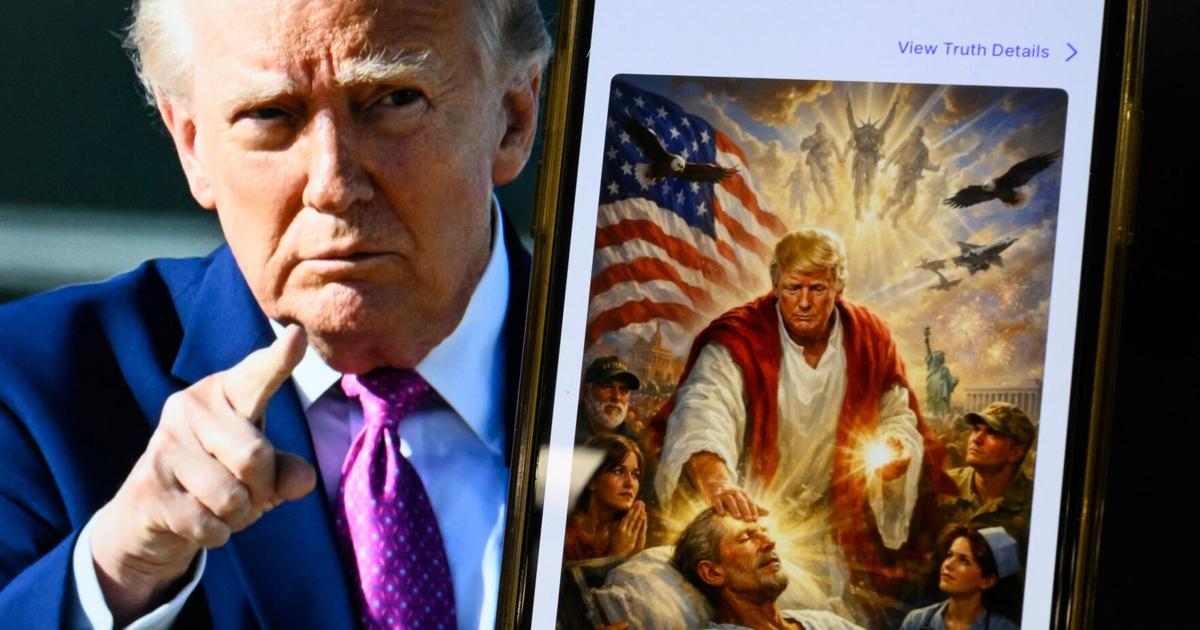
In the middle of the night, he posts cartoon memes of himself as a superhero, threatening enemies with his very, very big gun.
asserted
he → post → gun
After some time amid growing alarm, a group of 36 mental health experts issues a statement declaring him unfit.
asserted
him → grow → statement
Objectively observable signs of cognitive decline have worsened, they say, and warrant “disqualification from office.”
asserted
they → worsen → office
But nobody moves a muscle to get rid of him.
asserted
nobody → move → him
Canadians would boot him out pronto.
asserted
Canadians → boot → him
When the current U.S. president actually did versions of each one of those bizarre actions above, what were responsible Americans doing?
asserted
Americans → do → what
When, exactly, did they decide to normalize crazy?
asserted
they → decide → crazy
We’re all aware of the massive holes the world’s self-proclaimed beacon of democracy has torn into its existential fabric, from corporate-bought elections, to voter suppression, to the current transition into an ethics-free griftocracy.
asserted
beacon → ’re → griftocracy
But when did the U.S. decide to make insanity the animating principle of its executive branch?
asserted
insanity → decide → branch
When did it embrace cabinet sycophancy to enable and support this insanity?
asserted
it → embrace → insanity
When did its media choose, out of respect for an office no longer respectable, to keep pretending the emperor was fully clothed?
asserted
emperor → choose → office
(Watch for this kind of serious reporting down the road: “The president today commanded all undocumented immigrants to wear clown noses on Thursdays.
asserted
president → watch → Thursdays
‘Illegals are kaka-poopoo,’ he said as he signed the executive order.”)
asserted
he → say → order
Although the 25th Amendment to the U.S. Constitution — allowing the removal of an incapacitated president — dates only to the mid-1960s, America’s 1787 constitutional framers did briefly discuss the possibility of a disabled chief executive.
asserted
framers → allow → executive
But they dropped the idea, possibly incapable of imagining a future president so profoundly, demonstrably unsuited for office — a chaotic six-time bankrupt with delusions of competence — propped up by a phalanx of well-bribed toadies.
uncertain
they → drop → toadies
And who can blame them?
asserted
who → blame → them
What founding father could have pictured a president threatening to “annihilate” countries, cosying up to despots, ordering the murder of more than 200 foreign civilians in small boats, and posting pictures of himself as Jesus Christ?
uncertain
father → found → Christ
Legend has it that Caligula, the viciously insane emperor of ancient Rome, planned to make his horse a consul.
asserted
horse → have → Rome
Russia’s Ivan the Terrible was so paranoid he murdered his own son.
asserted
he → murder → son
The madness of Britain’s King George III caused him to talk incessantly, his monologues endless and repetitive.
asserted
monologues → cause → III
Mad Ludwig of Bavaria plundered the treasury to build fanciful castles so he could live out fairy-tale fantasies.
uncertain
he → plunder → fantasies
But the legendary lunatics of yesteryear could indulge their lunacy only because hereditary stature rendered them virtually untouchable, although a few did meet with untimely ends.
uncertain
few → indulge → ends
Modern democracies, like Canada, have ways to rid themselves of cancers at their core, starting with a recognition of the malignancy, followed by its removal for the good of the nation.
asserted
democracies → have → nation
Our neighbours to the south could do that, too, with an actual constitutional mechanism.
uncertain
neighbours → do → mechanism
And yet a majority of them clearly lack the grit, insight or patriotic moral fibre to invoke it.
asserted
majority → lack → it
The whole world and half the U.S. are holding their collective breath for the November midterm elections, praying for the beginning of the end of the madness.
asserted
world → hold → madness
Unfortunately, Americans have chosen — twice — life under the bonkers big top.
asserted
Americans → choose → top
Fervent prayers may go unanswered again.
uncertain
prayers → go → ?
The truth is, there’s a simple, terrible reality echoing through all those manic crowds chanting “USA, USA.”
asserted
truth → ’ → USA
 The Aporia