Photo via South China Morning Post

Southeast Asia’s extreme heat exposes holes in safety net for outdoor workers

Read the original at South China Morning Post ↗
Cite

Tan, V. (2026, September 5). Southeast Asia’s extreme heat exposes holes in safety net for outdoor workers. South China Morning Post. https://www.scmp.com/week-asia/health-environment/article/3366451/southeast-asias-extreme-heat-exposes-holes-safety-net-outdoor-workers?utm_source=rss_feed

Dated when The Aporia collected the article, usually within hours of publication. Check the original for its exact date and byline.

South China Morning Post · collected 2026-09-05 · by Vincent Tan

Quick Summary

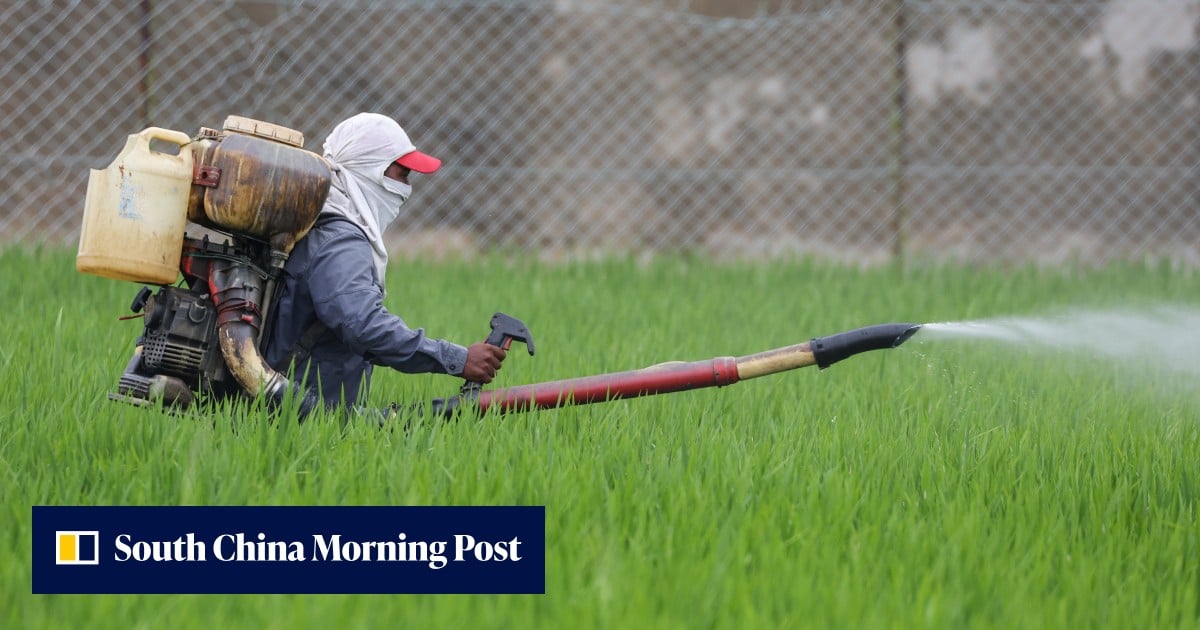
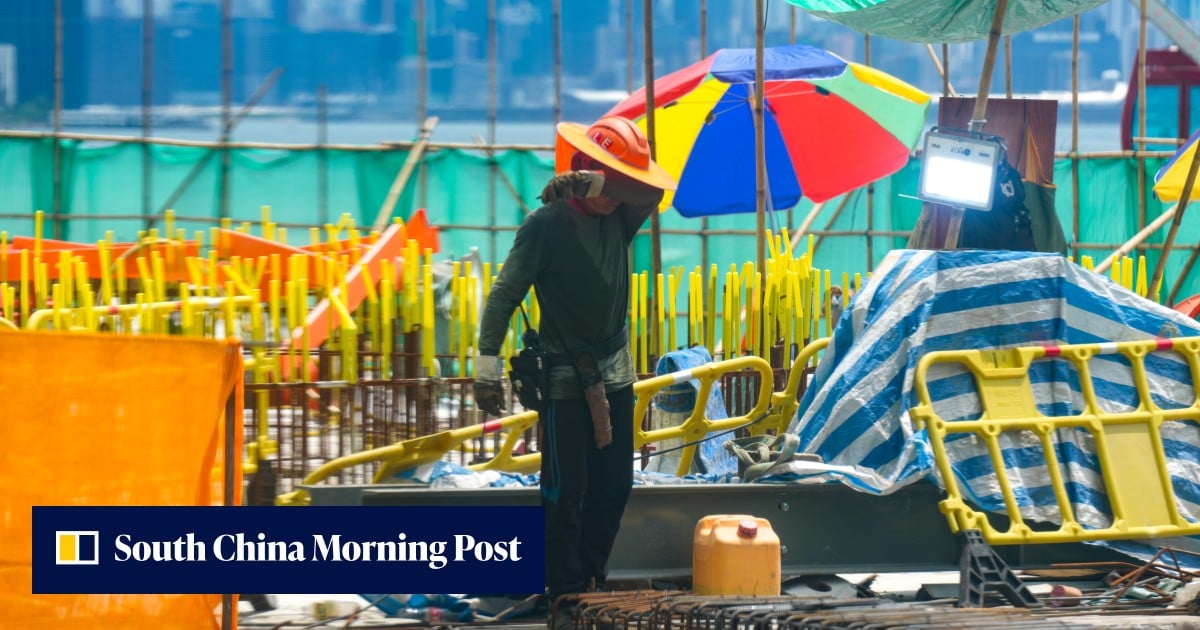
A recent report highlights inadequate heat risk assessments and weak regulations for outdoor workers in Southeast Asia's cities, exposing them to extreme heat. The region is experiencing rising temperatures, with a 0.14-0.2 degree Celsius increase per decade since the 1960s, according to an Asian Development Bank report. Many construction, agriculture, and platform workers lack flexibility in their schedules, making it difficult for them to avoid working during peak heat hours. As a result, some outdoor workers, such as smallholder farmers, must adjust their own hours and work patterns to cope with the heat.
Written by AI on 2026-09-05, from this article's own text only (the story summary below draws on all the coverage).

AI analysis

Story summary

Southeast Asia's temperatures have been rising by 0.14°C (0.25°F) per year since the 1960s, with a projected increase of up to 0.2°C per decade. This extreme heat is exposing weaknesses in the safety net for outdoor workers, who are often forced to work in hazardous conditions without adequate protection. Many cities in Southeast Asia lack adequate heat risk assessments, and their regulations protecting outdoor workers from extreme heat are either weak or unenforced**. Oil palm plantations, which have young trees that offer little shade, are particularly challenging for workers like Chung, who tends them during the early mornings and evenings to avoid the hottest part of the day. However, not all outdoor workers have the flexibility to adjust their schedules; many construction, agriculture, and platform workers are at risk due to inflexible work arrangements dictated by employers or output requirements.
Written for “Southeast Asia Heat Wave Risks” on 2026-11-01, grounded in this article and the 0 other(s) covering the same event.

Story

📰 Southeast Asia Heat Wave Risks
Environment · 1 article(s) covering the same event.

Compared with similar articles

This article reads leans left and hedges 14% of its claims. Each row says how that neighbour differs.
South China Morning Post
Hedges 0 of 6 claims Outlet record 64/100
“Article A discusses a general issue of heat exposure for outdoor workers in Southeast Asia, while Article B specifically mentions Hong Kong's consideration to classify heatstroke as an occupational disease and its revamped heat warning system”
BBC News
Hedges 1 of 53 claims Outlet record 68/100
“Article A mentions general issues with heat and safety for outdoor workers in Southeast Asia, while Article B describes specific wildfire-related incidents in Indonesia”
How this article was measured signals, leaning charts, publisher record, byline, topics and claims

Signals How these are calculated →

Claims extracted
7
sentences that state something as happening or true
Uncertain
14%
1 of 7 hedged ("reportedly", "may", "according to")
Leaning
Leans left
of the writing, not the subject · beta estimate
Publisher signals
64/100
South China Morning Post's corrections and hedging, across everything collected from it. Not a measure of accuracy.
Outlets on this story
1
Environment
Same framing elsewhere
1
articles that frame the event the way this one does
Analyzed 2026-09-05 · how these are computed

How this is being covered How these are calculated →

Article leaning vs. publisher reliability
Source leaning vs. consistency

Publisher

South China Morning Post · 3509 article(s) · 6 correction(s) detected
Running correction rate · 6 correction(s)

Who wrote this

Vincent Tan
16 article(s) here · 0 carrying a prediction
🔮 Separated by thousands of miles, overseas Filipinos must balance remembering their dead with the pain of missing their families back home This year, she is arranging prayers from afar for her late father and four siblings, but will once again miss the gathering back home.
🔮 Analysts say repair and servicing work plus hybrids, which pair a petrol engine with an electric motor, could offer a lifeline, but without stronger government support and better access to Chinese manufacturers, the EV transition threatens to hollow out the region’s established supply base.
🔮 Analysts point to tariffs, agricultural access and political differences as potential hurdles but say individual industries could make gains But better access to Brazil and other Mercosur markets is far from assured, with trade experts pointing to difficult negotiations over tariffs and agricultural access, as well as political differences within the bloc.
🔮 “Who knows, it might be the start of a new habit,” he said.
🔮 Will different state laws hobble its goal?
🔮 When society minimises the bond owners share with an animal, owners can be left to suffer in silence, counsellors say “Maybe that is what I have been grieving all along …
🔮 But economists say its private-sector structure raises questions about selection criteria and whether students pursuing lower-earning careers could ultimately be excluded.
🔮 Why small quakes in Malaysia’s Sabah could be sounding seismic alarms
🔮 Malaysia’s stark choice as AirAsia losses mount Rival carriers lack commercial incentive to take over unprofitable routes, which could force the government into a subsidy dilemma, analysts say That reality could leave the government facing a stark choice: allow domestic flight services to shrink or step in with subsidies for essential routes, rather than assuming competitors will automatically fill any void left by the country’s largest budget airline.
Also by Vincent Tan
Nothing else under this byline is closely related to this article, so these are simply their most recent.
All 16 articles by Vincent Tan →

Topics

Asian Development Bank Southeast Asian

Subjects

Southeast Asian NORP · 2× Asian Development Bank ORG · 1× Chung GPE · 1×

Narrative

Southeast Asia’s extreme heat exposes holes in safety net for outdoor workers Many Southeast Asian cities lack adequate heat risk assessments, and have weak regulations protecting outdoor workers, a report says Oil palms younger than three years offer little shade, so he tends them in the early mornings and evenings, spraying pesticide, applying fertiliser or weeding.
framing: assertive · carried by 1 article(s) · first seen 2026-09-05
2026-09-05 · South China Morning Post
Southeast Asia’s extreme heat exposes holes in safety net for outdoor workers · assertive framing

Claims (7 extracted, 1 hedged)

Southeast Asia’s extreme heat exposes holes in safety net for outdoor workers Many Southeast Asian cities lack adequate heat risk assessments, and have weak regulations protecting outdoor workers, a report says Oil palms younger than three years offer little shade, so he tends them in the early mornings and evenings, spraying pesticide, applying fertiliser or weeding. asserted
he → expose → fertiliser
“We try our best to avoid going to the plantation around noon,” Chung said. asserted
Chung → try → noon
He carries extra drinking water and, as a smallholder, decides when to slow down or change his hours. asserted
He → carry → hours
But not everyone shares that luxury. asserted
everyone → share → luxury
Many construction, agriculture and platform workers across Southeast Asia lack that flexibility because employers or output determine their schedules. asserted
employers → lack → schedules
Southeast Asia is getting hotter, with the annual mean temperature rising by 0.14 degrees Celsius (0.25 degrees Fahrenheit) to 0.2 degrees per decade since the 1960s, according to an Asian Development Bank report in June. uncertain
temperature → get → June
Many Southeast Asian cities lacked adequate heat risk assessments, and regulations protecting outdoor workers from extreme heat were either weak or unenforced, the report said. asserted
report → lack → heat
💬Give feedback
🕘History 🎫Support