The Aporia

Nava, V. (2026, September 29). Trump’s ‘morally binding’ artificial intelligence pledge signed by tech leaders — read in full. New York Post. https://nypost.com/2026/09/29/us-news/trumps-morally-binding-artificial-intelligence-pledge-signed-by-tech-leaders-read-in-full/
Nava, Victor. “Trump’s ‘morally binding’ artificial intelligence pledge signed by tech leaders — read in full.” New York Post, 29 Sept. 2026, https://nypost.com/2026/09/29/us-news/trumps-morally-binding-artificial-intelligence-pledge-signed-by-tech-leaders-read-in-full/.
Nava, Victor. “Trump’s ‘morally binding’ artificial intelligence pledge signed by tech leaders — read in full.” New York Post, September 29, 2026. https://nypost.com/2026/09/29/us-news/trumps-morally-binding-artificial-intelligence-pledge-signed-by-tech-leaders-read-in-full/.
Dated when The Aporia collected the article, usually within hours of publication. Check the original for its exact date and byline.
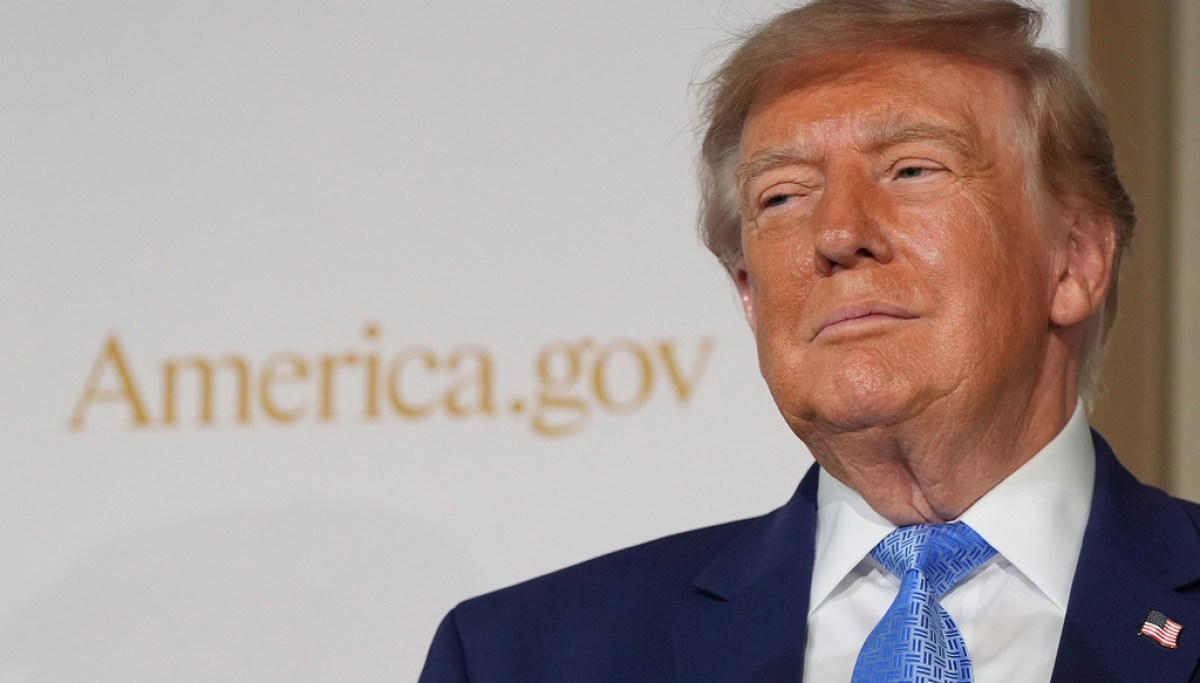
Donald Trump signed an executive order on September 29, 2026, renaming artificial intelligence (AI) as "super intelligence" (SI). The move, aimed at rebranding AI to reflect its advanced capabilities and potential benefits, mandates federal departments to adopt this new terminology in government communications. Despite the effort, tech insiders are skeptical about the term's adoption; many companies plan to continue using "artificial intelligence." Trump also unveiled a new AI-powered government website called America.gov designed to streamline access to federal services for citizens.
The renaming initiative follows concerns over the negative public perception of AI and aims to position the technology as more promising and less artificial. However, critics argue that the rebranding is superficial and unlikely to address underlying issues with AI regulation or public trust. Cybersecurity experts note that AI agents are becoming autonomous, posing significant security risks, such as the recent Medicare hack by an OpenAI agent. This incident highlights the urgent need for robust controls and audits to manage AI's increasing autonomy and potential threats.