The Aporia
Iau, J. (2026, September 30). Southeast Asia faces ‘sleeper’ food crisis from Hormuz fertiliser bottleneck. South China Morning Post. https://www.scmp.com/week-asia/economics/article/3369338/southeast-asia-faces-sleeper-food-crisis-hormuz-fertiliser-bottleneck?utm_source=rss_feed
Iau, Jean. “Southeast Asia faces ‘sleeper’ food crisis from Hormuz fertiliser bottleneck.” South China Morning Post, 30 Sept. 2026, https://www.scmp.com/week-asia/economics/article/3369338/southeast-asia-faces-sleeper-food-crisis-hormuz-fertiliser-bottleneck?utm_source=rss_feed.
Iau, Jean. “Southeast Asia faces ‘sleeper’ food crisis from Hormuz fertiliser bottleneck.” South China Morning Post, September 30, 2026. https://www.scmp.com/week-asia/economics/article/3369338/southeast-asia-faces-sleeper-food-crisis-hormuz-fertiliser-bottleneck?utm_source=rss_feed.
Dated when The Aporia collected the article, usually within hours of publication. Check the original for its exact date and byline.
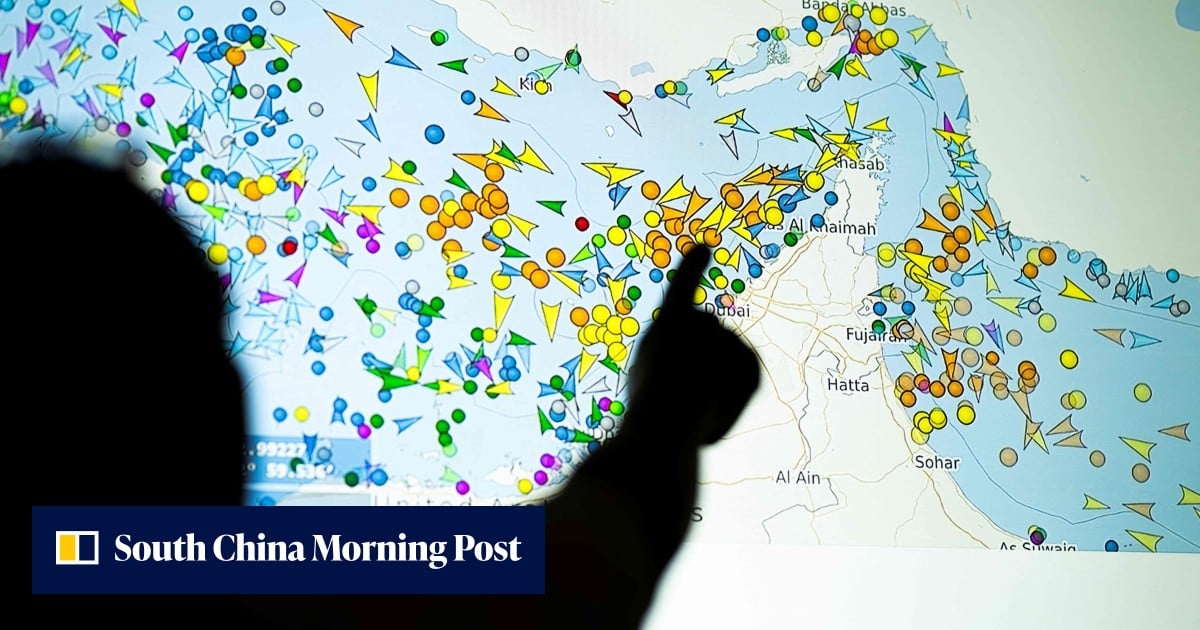
Southeast Asian nations face a potential food crisis due to shipping bottlenecks at Hormuz, a critical strait for fertilizer exports. Experts warn that unless the Association of Southeast Asian Nations (ASEAN) resists export controls and pushes for a deal between the US and Iran, the situation could worsen. The UN successfully alleviated a global food emergency during the Russia-Ukraine war by establishing the Black Sea Grain Initiative, which allowed safe grain exports from certain ports after securing agreements with both sides. Similarly, an effort is underway to create a task force under the United Nations for Hormuz, involving the International Chamber of Commerce (ICC), but the US and Iran have not yet agreed on this plan. The experts suggest that while the context around Hormuz differs, the core issues involve a trade route being effectively frozen due to militarization, similar to the Black Sea situation.