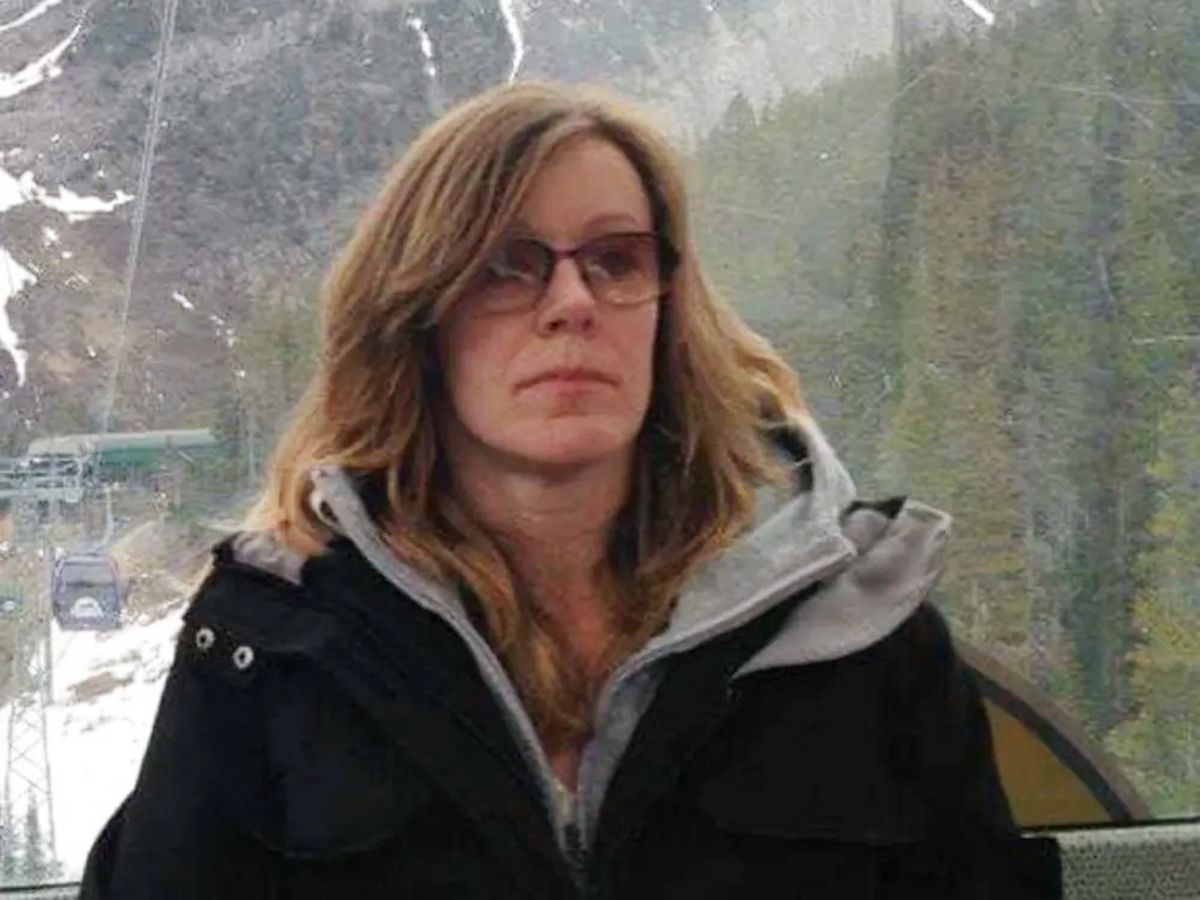
A man who killed his ex-girlfriend’s bipolar mother and hid her body in the woods to be ravaged by wild animals before her remains could be found will spend two years in prison, a B.C. judge ruled earlier this month.
uncertain
judge → kill → prison
The Winnipeg native, who was apprehended in Calgary, pleaded guilty to manslaughter charges this January and was sentenced by Justice David M. Layton in a New Westminster courtroom on Sept. 15, after accepting a joint submission from Crown and defence counsel.
asserted
who → apprehend → counsel
Layton said the sentence “reflects a properly functioning justice system, as opposed to one that has broken down, and accounts for the hard decisions Crown and defence counsel must legitimately make in difficult cases.”
asserted
Crown → say → cases
According to an agreed statement of facts in his recently published decision, MacKay and Millar’s daughter, Sara, had been in a relationship since 2017.
uncertain
MacKay → accord → 2017
In July 2021, it was agreed that Millar would come to live with them in Kelowna and the trio moved to a home in Coquitlam the following year, where the couple resided on the main floor and she in the basement, with shared common spaces.
asserted
couple → agree → spaces
“Millar had experienced mental health difficulties, including bipolar disorder, and Sara wanted to look after her,” the judge wrote, noting that the older woman “sometimes failed to take her medication as prescribed.”
asserted
woman → experience → medication
By August, the couple had split up and while Sara moved out, Millar stayed in the basement.
asserted
Millar → split → basement
The decision does not explain why.
asserted
decision → explain → ?
On Nov. 26, Millar “was in a manic state, and was acting in a paranoid and erratic manner,” resulting in her overfeeding her dog and the animal vomiting on the stairs outside her bedroom door.
asserted
animal → act → door
As MacKay was cleaning up the mess, a “paranoid and angry” Millar emerged from her room yelling at him while holding the steak knife she used to cut her pills.
asserted
she → clean → pills
The two “got into a physical altercation,” during which MacKay pushed her hard, causing her to fall on her bedroom floor.
asserted
her → get → floor
He went back upstairs and left Millar “space to calm down.”
asserted
He → go → space
When he returned some 10 minutes later, he found her in a pool of blood from a wound caused by the knife that had become “lodged in her body” when she fell.
asserted
she → return → body
Fearing someone would think he’d intentionally murdered Millar, MacKay wrapped her “body in blankets and bound it with tape, rope and a dog collar” and drove it in her car to “an empty lot on Burke Mountain where he buried it in a clandestine grave in a forested area.”
asserted
he → fear → area
He reported her missing to police the following day.
asserted
He → report → police
According to Coquitlam RCMP, her vehicle was involved in a single-vehicle collision along Highway 1 at No. 3 Road in Abbotsford shortly after 9 p.m. on Nov. 28.
uncertain
vehicle → accord → Nov.
The vehicle was empty when police arrived.
asserted
police → arrive → ?
When discovered under undisclosed circumstances in May 2023, her decomposed remains showed damage “consistent with large animal scavenging.”
uncertain
remains → discover → scavenging
In her victim impact statement, read aloud in court, Sara didn’t address Millar’s mental struggles but called her a hard-working and supportive mother who “put herself through trade school to become a journeyman electrician.”
asserted
who → read → school
“Not knowing what had happened to her for so many months was traumatic, as was the later knowledge about how her remains had been disrespected and discarded,” the judge summarized.
asserted
judge → know → months
Layton said he had to consider many aggravating and mitigating factors in determining whether to accept the joint sentencing submission.
asserted
he → say → submission
“Particularly aggravating,” he said, was MacKay “taking actions that desecrated” Millar’s body by hiding it and not reporting it to authorities.
asserted
that → say → authorities
Also working against him was that she was killed in her own home, “which should have been a place of safety,” and the impact on the family by burying Millar “in a surreptitious grave” and depriving her family the chance to mourn and bury her appropriately.
asserted
which → work → her
Layton also said MacKay’s youth and his size advantage over Millar — six-foot-three and 160 pounds to her five-foot-five and 125 pounds — was another aggravating factor.
asserted
foot → say → five
In pushing her down, the judge said MacKay was “not protecting himself, but rather was acting out of frustration.”
asserted
MacKay → push → frustration
MacKay also pleaded guilty before even pre-trial applications were heard, thereby sparing Millar’s family from “additional grief and anxiety.”
asserted
applications → plead → grief
Layton noted his early plea meant MacKay surrendered several strong arguments that could have helped him fight the charge had it gone to trial.
uncertain
it → note → trial
Chief among them was a Jordan application under section 11 (b) of the Canadian Charter — when the defence seeks a stay of proceedings for failing to resolve the matter in a “reasonable time,” as established by the Supreme Court of Canada’s 2016 R. v. Jordan case
asserted
defence → seek → case
“The parties acknowledge that the presumptive Jordan ceiling would have been surpassed by six months by the time the trial concluded, that no delay had been waived by the defence, and that despite attempts to schedule earlier trial dates it was not possible to do so,” Layton wrote, noting even the Crown stressed the importance of him forgoing the application.
asserted
him → acknowledge → application
The plea also meant MacKay gave up “‘very viable’ arguments for excluding Crown evidence, arising from alleged breaches” under sections 7, 8 and 9 of the Charter, which spell out the core legal rights protecting people from unlawful or unfair state interference.
asserted
which → mean → interference
The judge also said MacKay could have made a legitimate argument about identification after the Crown highlighted “numerous areas of weakness in its circumstantial case” during preliminary inquiry, “any of which may have ultimately affected the trial verdict.”
uncertain
any → say → verdict
As highlighted by the judge, under the Criminal Code of Canada, a conviction of manslaughter without the use of a firearm normally carries a sentencing “range of four to fifteen years.”
asserted
conviction → highlight → years
But bearing all the factors in mind, Layton said he had “no difficulty in concluding that this is one of those cases where the circumstances justify a sentence below the range of four to fifteen years’ imprisonment.”
asserted
circumstances → bear → imprisonment
MacKay was sentenced to two years and 99 days, but received credit for 99 days spent in pre-sentence custody.
asserted
MacKay → sentence → custody
He is also prohibited from owning a firearm for 10 years after release, was ordered to submit a DNA sample, and have no direct contact with the Millar family while in prison.
asserted
He → prohibit → prison
 The Aporia