Across the state, county sheriffs have developed different systems for housing the newly arrested until they appear in court.
asserted
they → develop → court
Sheriffs differ widely in who they accept, who pays and how much help they expect from local police.
asserted
they → differ → police
Plymouth, Suffolk and Bristol counties refused detainees at the highest rates in the state, according to data obtained by The Light.
uncertain
counties → refuse → Light
Other counties accepted large numbers of arrestees without turning anyone away, while some reported few admissions and refusals.
asserted
some → accept → admissions
State law requires cities and towns with more than 5,000 residents to maintain lockups for pre-arraignment detainees, people arrested after courts close who must be held until they can appear before a judge.
asserted
they → require → judge
Although the law doesn’t assign that responsibility to sheriffs, many police departments have come to rely on county sheriffs to house detainees under negotiated agreements, either to save resources or because their cities or towns lack holding cells.
asserted
cities → assign → cells
In some counties, it’s rare for a sheriff to refuse an arrestee, because of cooperation, better-equipped facilities or clear agreements.
asserted
sheriff → ’ → cooperation
In other counties, staffing shortages, lack of resources and disputes over responsibility can drive up refusals, consuming police time and taxpayer dollars.
asserted
shortages → drive → time
From January through July, Bristol County refused 79 arrestees, about 6% of all requests for admission, giving it the third-highest refusal rate in the state.
asserted
County → refuse → state
Plymouth County had the highest rate, refusing 30 arrestees, or about 12% of its total requests.
asserted
County → have → requests
Suffolk County refused the largest number overall: 164, or about 7.6% of its total requests.
asserted
County → refuse → requests
In western Massachusetts, Hampden County accepted all 1,684 it received, but suspended weekend intake for more than a month due to staffing and budget pressures.
asserted
it → accept → pressures
Counties such as Hampshire and Worcester operate dedicated jail facilities just for pre-arraignment detention, while others rely on existing jails and varying levels of support from local police.
asserted
others → operate → police
These different approaches also reflect different views among sheriffs.
asserted
approaches → reflect → sheriffs
“The law is clear,” said Hampshire County Sheriff Patrick Cahillane: Sheriffs aren’t obligated to hold people the local police have just arrested.
asserted
police → say → people
“But that’s the legal interpretation.
asserted
that → ’ → ?
Then you get into the ethical and moral pieces and, as a society that tries to care about people, ask: What is the best option for those individuals?”
asserted
option → get → individuals
So Hampshire County runs the Hampshire Regional Police Lockup facility, just for pre-arraignment detainees, on the county jail campus in Northampton.
asserted
County → run → Northampton
It refused no arrestees in January through July this year and accepted 561.
asserted
It → refuse → 561
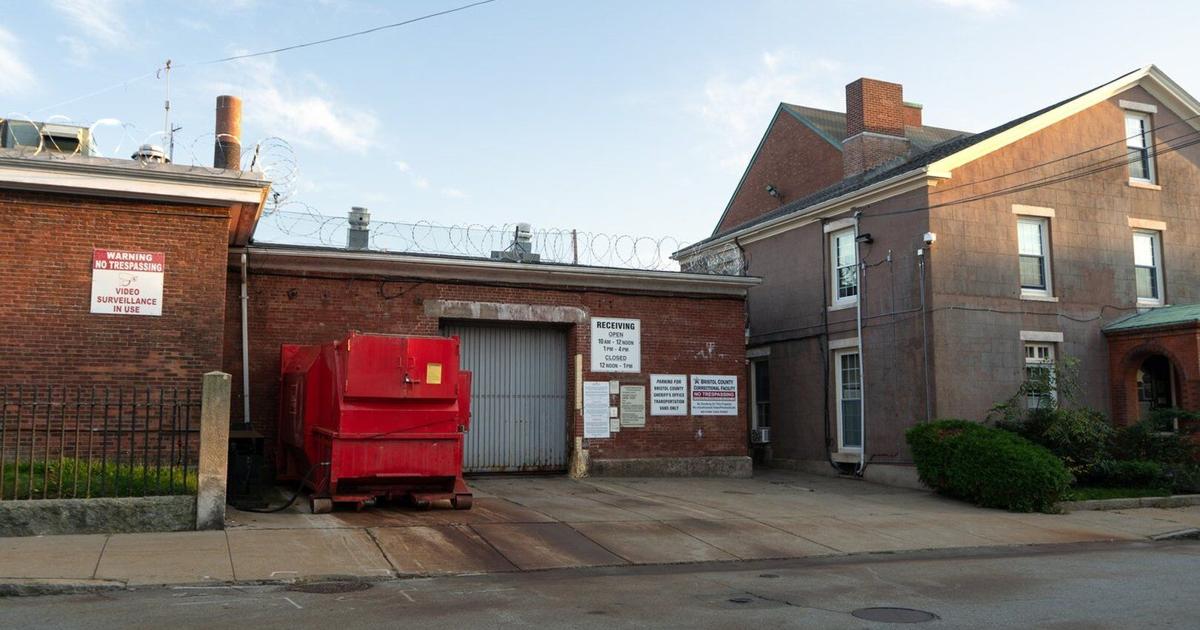
The Bristol County Sheriff’s Office doesn’t have a separate regional lock-up.
asserted
Office → have → up
It houses pre-arraignment detainees in New Bedford’s Ash Street Jail.
asserted
It → house → Jail
“We get to run our houses as we see fit based on the needs and the resources we have,” Bristol County Sheriff Paul Heroux said.
asserted
Heroux → get → needs
“Just like every police department runs their police shop slightly differently, we all follow state law.
asserted
we → run → law
But when state law is silent, we get to use our discretion.”
asserted
we → get → discretion
When regional lockups reach their limits
asserted
lockups → reach → limits
In Bristol County, refusals of pre-arraignment detainees have become a source of tension between Heroux and local police chiefs.
asserted
refusals → become → Heroux
Records obtained by The Light show Ash Street Jail refused admission 135 times after medical and mental health screenings in 2025, up from 32 in 2022.
asserted
Jail → obtain → 2022
Police chiefs say refusals shift the burden back to departments with fewer resources, forcing officers to guard detainees at hospitals or police stations instead of patrolling.
asserted
refusals → say → hospitals
“I get their frustration,” Heroux said, but added that sheriffs are not required to house pre-arraignment detainees.
asserted
sheriffs → get → detainees
“We have a duty first to the inmates that the judges and the courts send to us, not to the police.
asserted
judges → have → police
In August, Heroux said the 138-year-old Ash Street Jail lacks the staff and resources to safely house some detainees with medical needs or suicide risk.
asserted
Jail → say → needs
Fewer than 15 officers work weekend night shifts and the jail’s three-story design makes close monitoring difficult.
asserted
monitoring → work → shifts
Other counties are struggling as well.
asserted
counties → struggle → ?
Hampden County, which includes Springfield, houses male arrestees at the county jail in Ludlow and female arrestees at a regional women’s jail in Chicopee.
asserted
which → include → Chicopee
From January through July, Hampden County recorded 1,684 pre-arraignment detainee intakes, the second-highest total in the state after Suffolk County.
asserted
County → record → County
Unlike Suffolk, Hampden did not turn anyone away.
asserted
Hampden → turn → anyone
The high volume strained staffing and budgets, prompting the sheriff’s office to suspend weekend intakes for more than a month this summer, except for towns with fewer than 5,000 people.
asserted
volume → strain → people
Robert Rizzuto, a spokesperson for the Hampden County Sheriff’s Office, told The Light that the office was also strained by the number of detainees who had to be taken directly to the hospital after intake.
asserted
who → tell → intake
When the county resumed weekend intakes in August, it came with stricter conditions.
asserted
it → resume → conditions
Police now have to hold people arrested on domestic violence charges during the mandatory six-hour cooling-off period and obtain hospital evaluations for detainees with apparent urgent medical needs.
asserted
Police → have → needs
…and 53 more, not listed.
 The Aporia