In March 2024, Dorset Wildlife Trust and Natural England acquired 335 hectares of chalk downland and farmland at Lyscombe, around 10 miles north-east of Dorchester.
asserted
Trust → acquire → Dorchester
The former organically managed farm was acquired for nature conservation and environmental restoration, with funding from Natural England’s National Nature Reserves programme and its planned nutrient mitigation credit scheme, alongside donations from Dorset Wildlife Trust members and supporters.
asserted
farm → manage → members
In 2026, Lyscombe became the 16th site in the King’s Series of National Nature Reserves.
asserted
Lyscombe → become → Reserves
Natural England formally declared the reserve on 17 August, while its new status was publicly announced and celebrated on 15 September.
asserted
status → declare → September
The formal declaration covers 333.57 hectares, while Dorset Wildlife Trust describes the original acquisition as 335 hectares.
asserted
Trust → cover → hectares
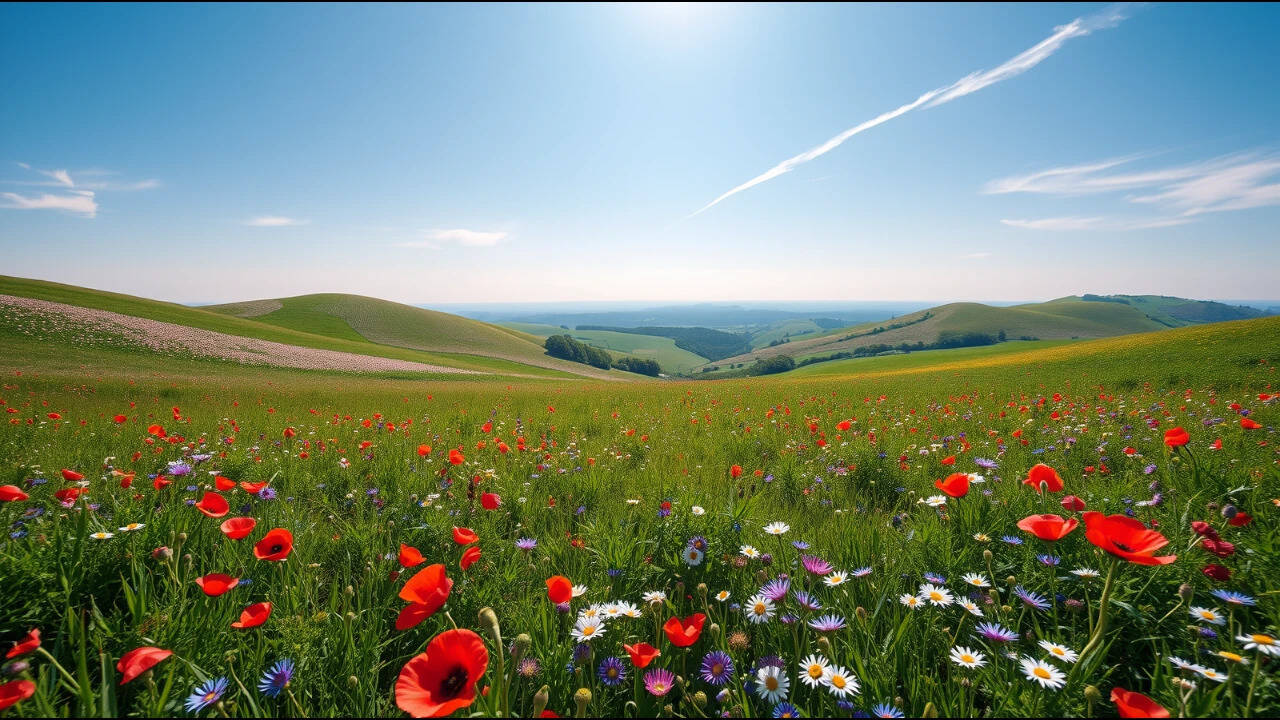
The landscape includes chalk grassland, wildflower meadows, scrub, ancient woodland and historic features, with restoration work focused on restoring habitats and creating better-connected spaces for wildlife.
asserted
work → include → wildlife
From farmland to National Nature Reserve
The new status was celebrated at Lyscombe on 15 September, when Jaqueline Swift, Deputy Lord-Lieutenant of Dorset, represented His Majesty the King at an event attended by Tony Juniper, Chair of Natural England, and Lisbet Sherlock, Chair of Dorset Wildlife Trust.
asserted
Swift → celebrate → Trust
Swift and Juniper unveiled the National Nature Reserve plaque, while Juniper presented Sherlock and Dorset Wildlife Trust chief executive Brian Bleese with the certificate recognising Lyscombe’s new status.
asserted
Juniper → unveil → status
The legal declaration had been made on 17 August 2026 under the Wildlife and Countryside Act 1981.
asserted
declaration → make → Act
The reserve includes 50 hectares of nationally important chalk downland designated as a Site of Special Scientific Interest, as well as a Site of Nature Conservation Interest and several protected heritage features.
asserted
reserve → include → Interest
Among them is Lyscombe Chapel, a Grade II* listed building that dates from the 12th century but was partly rebuilt in the 15th and 16th centuries.
asserted
that → list → centuries
Historic England records substantial medieval fabric, including a 12th-century chancel.
asserted
England → record → chancel
The nearby ruins of the Priest’s House date from the 16th century.
asserted
ruins → date → century
Restoring the chalk grassland and Little Piddle
The conservation work began before the National Nature Reserve designation.
asserted
work → restore → designation
Dorset Wildlife Trust says it has removed up to 23 kilometres of outdated fencing and introduced English Longhorn cattle onto the SSSI chalk grassland.
asserted
it → say → grassland
The grazing is intended to maintain the open character of the chalk grassland, prevent scrub encroachment and support biodiversity.
asserted
grazing → intend → biodiversity
The Trust is also pursuing restoration of the Little Piddle, which rises at Lyscombe and is a tributary of the River Piddle.
asserted
which → pursue → Piddle
Its plans include returning the stream towards a more natural course, removing concrete culverts and outdated agricultural infrastructure, and creating wetland habitat and fen meadows in the valley bottom.
asserted
plans → include → bottom
Dorset Wildlife Trust says that changing land management and creating new wetland habitat at Lyscombe will help reduce harmful nutrient inputs into the Poole Harbour catchment, while Natural England says the project has contributed to reducing historic pollution in the local River Piddle.
asserted
project → say → Piddle
The acquisition was also partly funded through Natural England’s nutrient mitigation scheme, linking the land purchase to wider efforts to reduce nutrient pollution in the Poole Harbour catchment.
asserted
acquisition → fund → catchment
Monitoring a landscape in transition
Dorset Wildlife Trust is carrying out ecological, soil and hydrological surveys to establish baselines and guide future management, with monitoring covering invertebrates, small mammals, bats, breeding birds and flora.
asserted
monitoring → monitor → invertebrates
In 2025, the Trust worked with the Environmental Sensing department at the University of Southampton to enable a student to create a virtual tour of Lyscombe using ArcGIS StoryMaps.
asserted
Trust → work → StoryMaps
The project incorporated drone data collected at the site and included a 3D model of the landscape.
asserted
project → incorporate → landscape
The Trust also reports that barn owls have returned since the acquisition, which it links to a resurgence of small mammals in the fields and hedgerows.
asserted
it → report → fields
That is an observation reported by the Trust rather than an independent assessment of the cause.
asserted
That → report → cause
Alongside the ecological work, Dorset Wildlife Trust is working with Historic England on heritage features including the chapel and the ruined Priest’s House, while also planning restoration of existing barns.
asserted
Trust → work → barns
The project therefore combines habitat restoration and wildlife monitoring with the protection of a landscape containing significant archaeological and historic features.
asserted
project → combine → features
A long-term project beyond the reserve
Lyscombe’s National Nature Reserve designation gives national recognition to a project that began with the 2024 acquisition, but the restoration itself is intended to continue for years.
asserted
restoration → give → years
Natural England describes the reserve as 334 hectares and says it has potential to contribute to nature recovery across the wider 5,700-hectare Dorset Downs landscape.
asserted
it → describe → landscape
Dorset Wildlife Trust’s plans combine conservation management of the existing SSSI with natural regeneration and a rewilding approach across wider parts of the site.
asserted
plans → combine → site
The Trust says the land is likely to develop into a mosaic of grassland, scrub and wood pasture, supported by appropriate grazing and natural regeneration.
asserted
land → say → grazing
Lyscombe already supports at least six orchid species, including pyramidal and bee orchids, as well as chalkhill blue butterflies and other wildlife.
asserted
Lyscombe → support → butterflies
The reserve’s new status does not mark the completion of that work.
asserted
status → mark → work
Instead, it formally recognises the national importance of the landscape while Dorset Wildlife Trust continues its longer-term programme of habitat restoration, ecological monitoring, conservation grazing and work to reconnect Lyscombe with the wider Dorset Downs.
asserted
Trust → recognise → Downs
 The Aporia