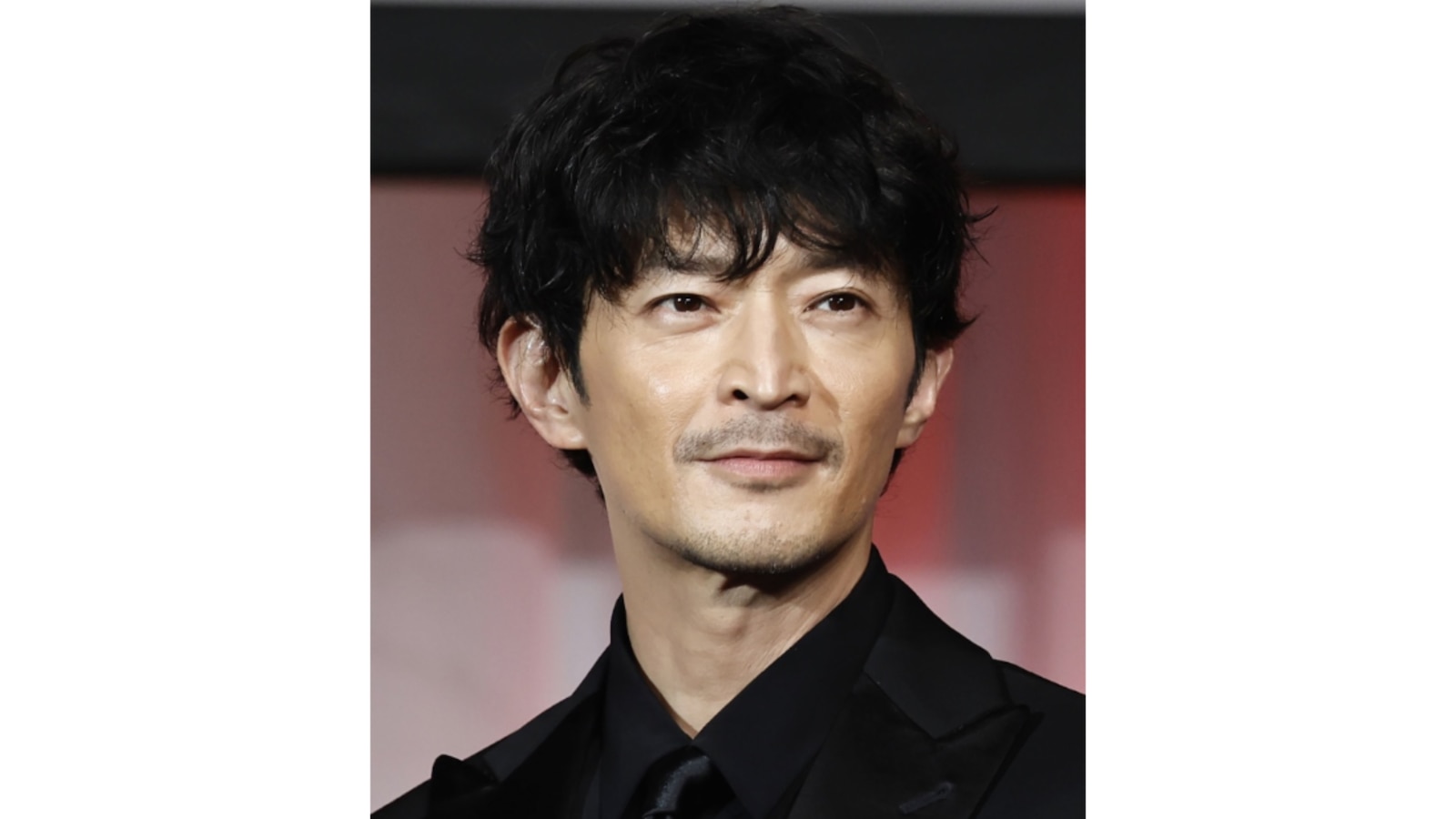
Photo via ABC News (US)

Tokyo court grants legal protection to human voices in AI clone case

Read the original at ABC News (US) ↗
Cite

MARI YAMAGUCHI Associated Press. (2026, October 1). Tokyo court grants legal protection to human voices in AI clone case. ABC News (US). https://abcnews.com/Technology/wireStory/tokyo-court-grants-legal-protection-human-voices-ai-136912283

Dated when The Aporia collected the article, usually within hours of publication. Check the original for its exact date and byline.

ABC News (US) · collected 2026-10-01 · by MARI YAMAGUCHI Associated Press

Quick Summary

A Tokyo court has granted legal protection for a human voice in a case involving an anime voice actor, Kenjiro Tsuda, who sued TikTok for unauthorized use of his distinctive voice by an AI-generated clone. The court ruled that using someone’s voice without permission can infringe on their publicity rights, considering the voice as symbolic of individual personality. The lawsuit centered around an account with over 200,000 subscribers that used AI to mimic Tsuda’s baritone for videos about urban legends and paranormal phenomena.
Written by AI on 2026-10-01, from this article's own text only (the story summary below draws on all the coverage).

AI analysis

Story summary

A Tokyo district court ruled on Wednesday that human voices are legally protected under publicity rights after a lawsuit brought by Japanese actor Kenjiro Tsuda against TikTok. Tsuda, best known as the voice of Kento Nanami in the anime series Jujutsu Kaisen, claimed an anonymous account had uploaded over 180 videos using AI-generated copies of his distinctive "lustrous" baritone voice between July and September 2024. The court acknowledged that unauthorized use of a performer’s voice constitutes infringement on their publicity rights but declined Tsuda's request to have the videos removed since they were deleted after the lawsuit was filed in November. This landmark case is believed to be the first in Japan addressing the legal protection of vocal identity against AI-generated copies, raising concerns among anime voice actors about potential threats to their livelihoods and industry integrity due to unauthorized AI mimicry.

Written for “AI Voice Rights Violation” on 2026-11-03, grounded in this article and the 1 other(s) covering the same event.

Story

📰 AI Voice Rights Violation
Technology · 2 article(s) covering the same event. See how they differ ↓

Compared with similar articles

This article reads unscored and hedges 7% of its claims. Each row says how that neighbour differs.
The Guardian
⚖️ Leans left Hedges 2 of 17 claims Outlet record 66/100
How this article was measured signals, leaning charts, publisher record, byline, topics and claims

Signals How these are calculated →

Claims extracted
14
sentences that state something as happening or true
Uncertain
7%
1 of 14 hedged ("reportedly", "may", "according to")
Leaning
not political
takes no side on a contested political question
Publisher signals
70/100
ABC News (US)'s corrections and hedging, across everything collected from it. Not a measure of accuracy.
Outlets on this story
2
Technology
Same framing elsewhere
1
articles that frame the event the way this one does
Analyzed 2026-10-01 · how these are computed

How this is being covered How these are calculated →

Article leaning vs. publisher reliability
Source leaning vs. consistency

Publisher

ABC News (US) · 1313 article(s) · 3 correction(s) detected
Running correction rate · 3 correction(s)

Who wrote this

MARI YAMAGUCHI Associated Press
1 article(s) here · 0 carrying a prediction
Wire or desk byline, not an individual reporter.
Nothing else under this byline in the corpus.

Topics

Japan Japanese The Tokyo District Court's TikTok Tokyo

Subjects

Tsuda PERSON · 5× Tokyo GPE · 4× Japanese NORP · 3× TikTok ORG · 2× Aya Takahashi PERSON · 1× Japan GPE · 1× Kenjiro Tsuda PERSON · 1× Kento Nanami PERSON · 1× Nanami ORG · 1× The Tokyo District Court's ORG · 1×

Narrative

In his lawsuit, Tsuda said that the anonymous operator of the TikTok account “Nanami" wrongfully profited by attracting viewers with his voice narrating in more than 180 videos about urban legends and paranormal phenomena, and asked for the material to be deleted.
framing: assertive · carried by 1 article(s) · first seen 2026-10-01
2026-10-01 · ABC News (US)
Tokyo court grants legal protection to human voices in AI clone case · assertive framing

Claims (14 extracted, 1 hedged)

Tokyo court grants legal protection to human voices in AI clone case asserted
court → grant → case
A Tokyo court has awarded legal protection for the human voice in a landmark case involving a popular Japanese anime voice actor TOKYO -- asserted
court → award → actor
A Tokyo court has awarded legal protection to the human voice in a landmark case in which a popular Japanese anime voice actor demanded that TikTok close an account over its unauthorized use of artificial intelligence clone of his trademark baritone. asserted
TikTok → award → baritone
The ruling was good news for many anime voice actors at a time when they are increasingly concerned about the use of AI-generated versions of their voices on social media. asserted
they → generate → media
The plaintiff, Kenjiro Tsuda, is an actor best known for his “lustrous and deep” voice in starring characters such as Kento Nanami in “Jujutsu Kaisen,” a popular anime series. asserted
plaintiff → know → Kaisen
In his lawsuit, Tsuda said that the anonymous operator of the TikTok account “Nanami" wrongfully profited by attracting viewers with his voice narrating in more than 180 videos about urban legends and paranormal phenomena, and asked for the material to be deleted. asserted
material → say → legends
“The human voice is symbolic of individual personality, just like one's portrait," Presiding Judge Aya Takahashi said, according to a court document seen by The Associated Press. uncertain
Takahashi → say → Press
It is appropriate to consider the unauthorized use with an obvious intention to take advantage of the commercial appeal of Tsuda's voice “an infringement of publicity rights,” Takahashi said. asserted
Takahashi → consider → rights
As of November 2025, the account had more than 200,000 subscribers, with viewers often noting the similarities between the narrator's voice and Tsuda's. asserted
viewers → have → voice
The defendant argued that the videos used AI-generated voice that sounded like Tsuda's but was not his, and that the videos did not damage the actor's reputation as a voice actor. asserted
videos → argue → actor
The ruling dismissed Tsuda's demand that all the videos using his voice be deleted, because the account had already been closed. asserted
account → dismiss → voice
Wednesday's decision comes at a time of growing concern among Japanese voice actors about the AI cloning of their trademark voices in anime. asserted
decision → come → anime
In 2024, OpenAI announced plans to halt the use of one of its ChatGPT voices after “Her” actor Scarlett Johansson said it sounded “eerily similar” to her own. asserted
it → announce → own
Last year, Oscar-winning actors Michael Caine and Matthew McConaughey made deals with voice-cloning company ElevenLabs to allow its AI technology to replicate their voices. asserted
technology → win → voices
💬Give feedback
🕘History 🎫Support