Studying this super El Niño could save lives.
uncertain
Studying → study → lives
NOAA is scaling back research
Studying this super El Niño could save lives.
uncertain
Studying → scale → lives
NOAA is scaling back research
asserted
NOAA → scale → research
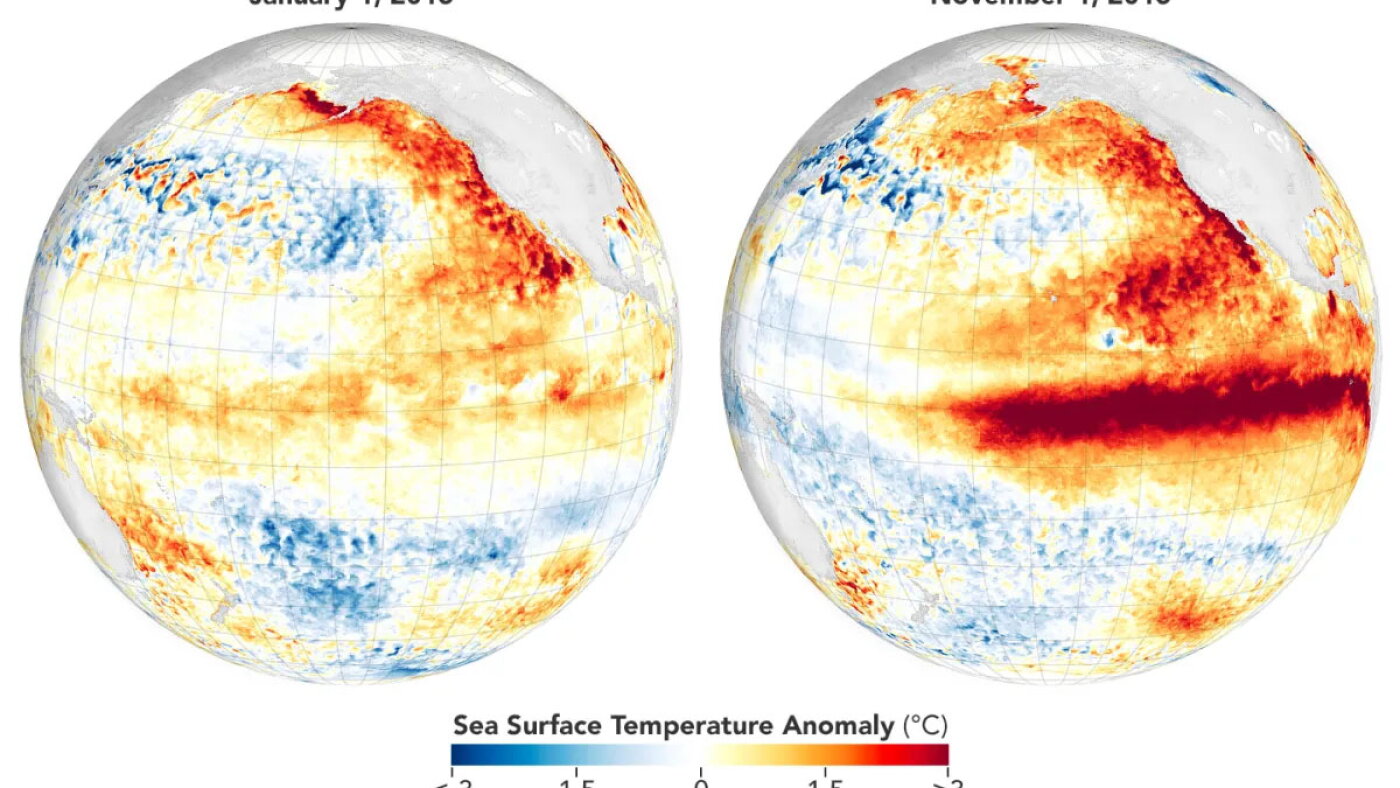
The powerful El Niño climate pattern brewing in the Pacific Ocean is already influencing extreme weather around the planet.
asserted
pattern → brew → planet
Federal forecasters say it could become the biggest yet, far outpacing any in recorded history and ultimately impacting millions of people.
uncertain
it → say → people
With that intensity also comes opportunity.
asserted
opportunity → come → intensity
Climate experts say studying this El Niño in detail could help them understand the complex phenomenon better, potentially leading to more accurate forecasts to help communities prepare for droughts and floods.
uncertain
communities → say → droughts
During the last strong El Niño in 2015-16, the National Oceanic and Atmospheric Administration (NOAA) mounted a rapid response research effort to gather observations.
asserted
Oceanic → mount → observations
The agency sent a research ship, planes, weather balloons and unmanned aircraft into the Pacific to collect data about the atmosphere.
asserted
agency → send → atmosphere
After it wrapped up, NOAA staff recommended the agency be ready with a similar effort for the next strong El Niño.
asserted
agency → wrap → Niño
Now, an even stronger El Niño is here, but NOAA will be responding with a scaled-back research effort.
asserted
NOAA → respond → effort
The agency is sending a handful of unmanned watercraft to sail into the El Niño zone, but says it won't be matching the field campaign from last time.
asserted
it → send → time
Any other research projects depend on Congress passing a budget, something that may not happen until December, when El Niño is already peaking.
uncertain
Niño → depend → December
The Trump administration is also trying to eliminate NOAA's research office, the primary scientific arm that studies events like El Niño, as part of that budget process.
asserted
that → try → process
Since Trump began his second term, NOAA has lost more than 2,000 staff, largely due to retirements and firings.
asserted
NOAA → begin → retirements
Ten weather and climate researchers who spoke with NPR say this record-breaking El Niño is a crucial case study, because aspects of the naturally occurring climate pattern still aren't well-understood.
asserted
aspects → speak → pattern
El Niño is one of the biggest forces on the planet affecting weather, bringing destructive rainstorms and floods to some regions, and severe droughts to others.
asserted
Niño → affect → others
Better and earlier forecast warnings can help communities with emergency response, and even save lives.
asserted
warnings → help → lives
Scientists are also trying to understand whether climate change and heat-trapping emissions from burning fossil fuels are making El Niños more intense.
asserted
Niños → try → fuels
A detailed look at how this super El Niño evolves in the ocean and atmosphere could provide valuable data, much like monitoring a patient in the hospital.
uncertain
Niño → evolve → hospital
"We rarely have opportunities like this," says Daniel Swain, climate scientist with the University of California Agriculture and Natural Resources.
asserted
Swain → have → Agriculture
"I almost hesitate to call it an opportunity, given that it's likely going to harm a lot of people around the world.
asserted
it → hesitate → world
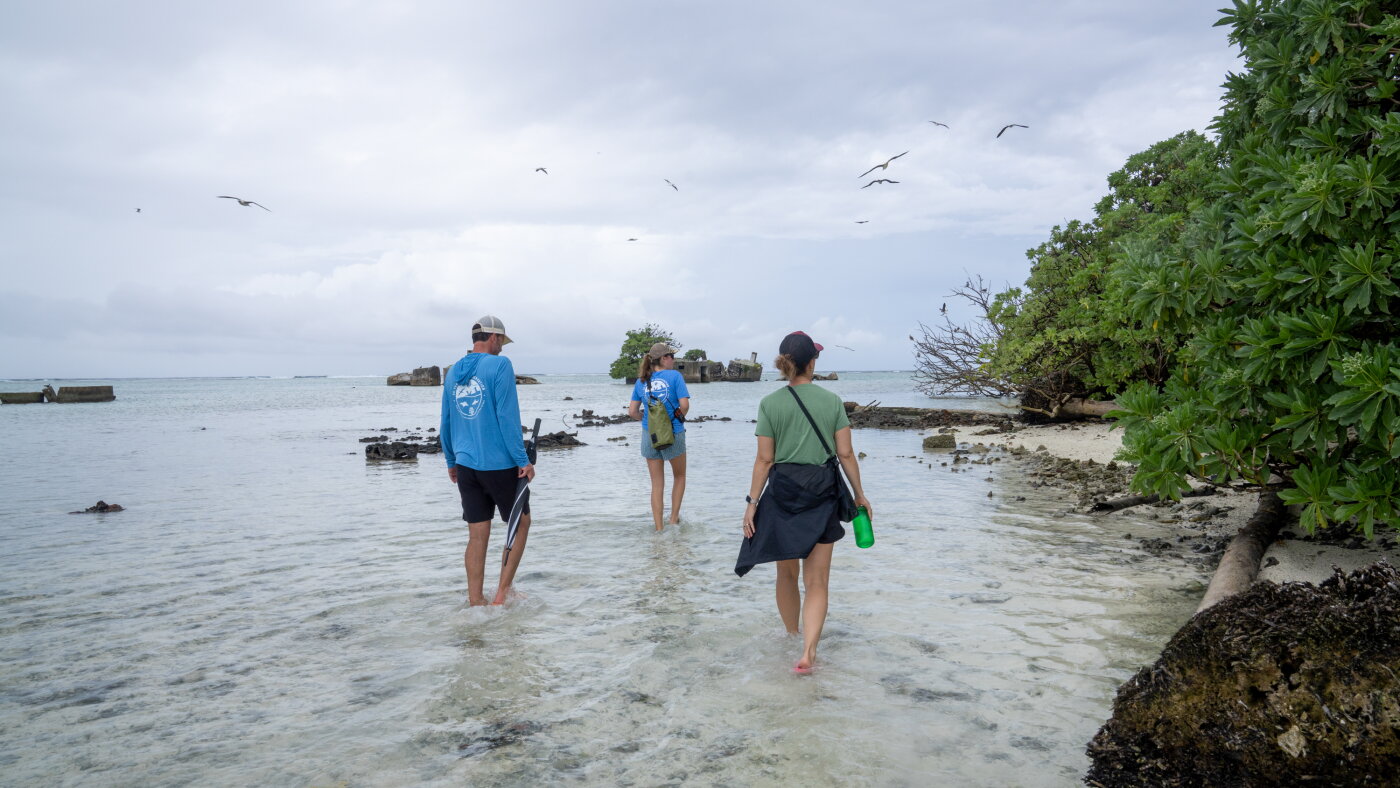
In January 2016, on the small Pacific island of Kiritimati, NOAA began releasing weather balloons twice a day to measure the atmosphere.
asserted
NOAA → begin → atmosphere
The island, which is near the equator, was in the heart of an unfolding super El Niño.
asserted
which → unfold → Niño
El Niño occurs when a vast area of the eastern Pacific Ocean heats up around the equator.
asserted
area → occur → equator
That releases huge amounts of heat, sending ripple effects across the atmosphere and shifting weather patterns.
asserted
That → release → patterns
In the southern U.S., rainfall typically gets more intense, while the northern half of the country gets drier and warmer.
asserted
half → get → country
Loading...
El Niños only occur every two to seven years, and super El Niños happen even less frequently, so few of them have been scientifically observed in detail.
asserted
few → load → detail
The first strong El Niño to be measured by satellites from space was in 1982-83, but the data was obscured by a volcanic eruption that spewed particles into the atmosphere.
asserted
that → measure → atmosphere
In 2015, forecasters saw a strong El Niño developing, and researchers at NOAA jumped at the chance to learn from it, because there's less weather data available over the ocean than there is on land.
asserted
researchers → see → land
"You can do research after events are over for years or decades, but you have to get the observations during the event," says Randy Dole, who helped lead the El Niño research campaign at NOAA's Physical Sciences Laboratory and retired in 2016.
asserted
who → do → 2016
"That was a critical consideration, and so we were going to do whatever we could, to the best of our ability, to get data that could be used both at that current time and in the future.
uncertain
that → go → future
Rapid response kicks off
The team began planning six months before field research began.
asserted
research → kick → ?
At NOAA, deploying a coordinated campaign in a matter of months was unusual.
asserted
deploying → deploy → months
"That almost never happens because the big field observation programs are typically five-year planning processes," says Chris Fairall, who worked on the project at NOAA and retired during the Biden administration.
asserted
who → happen → administration
"It involves getting research aircraft, research vessels, satellites and all kinds of research plans have to be drawn up."
asserted
aircraft → involve → plans
NOAA's research team found an unexpected opportunity.
asserted
team → find → opportunity
NASA had planned research flights in 2016 to observe hurricanes with its Global Hawk, an unmanned long-range aircraft.
asserted
NASA → plan → Hawk
With less action in the Atlantic, those flights could be redirected to the Pacific Ocean to study the El Niño.
uncertain
flights → redirect → Niño
NOAA's team launched the El Niño Rapid Response field campaign.
asserted
team → launch → campaign
…and 57 more, not listed.
 The Aporia