They don't hate them because they're White.
asserted
they → hate → them
A myriad of White fans have supported the WNBA since the league's inception, and they've backed Black players like Maya Moore, Lisa Leslie and Sheryl Swoopes with the same enthusiasm as they have White players like Sue Bird, Diana Taurasi, and Lauren Jackson.
asserted
they → support → Bird
They don't hate them because they're "new," either.
asserted
they → hate → them
Players and media all want to see the league grow because it puts more money in their pockets or eyeballs on their stories.
asserted
it → want → stories
No, the reason there is such contempt for Indiana Fever fans — who seem to endure a new slight or attack every week — is for one reason: They're viewed as conservative.
asserted
They → be → reason
Former ESPN anchor Cari Champion put it about as plainly as possible in a podcast a couple weeks back when she said Fever star Caitlin Clark is "an avatar for middle America" and represents a fan base that "wants to spread hate."
asserted
that → put → hate
Translation: People who live in live flyover states are likely to be as backward as they are bigoted.
asserted
they → live → states
A couple months earlier, CNN contributor Leah Asmelash wrote a column entitled: "How the right wing decided to care about women's basketball in Indiana," in which she zeroed in on conservatives' support for Clark and fellow Fever guard Sophie Cunningham.
asserted
she → write → Clark
Before that, the Guardian's Manny Fidel published a piece entitled "The right's fury over Caitlin Clark is about everything except Caitlin Clark," with Fidel noting how "politicians, pundits and fans from across the right decried the decision" of Clark being left off the Olympic team.
asserted
Clark → publish → team
How he knew that the fans upset with the snub were on the right is unclear.
uncertain
fans → know → right
That has simply become the assumption.
asserted
That → become → ?
First off, there is no way to know whether the majority of Fever fans are conservative or not.
asserted
majority → be → fans
It's likely that most of them have simply been lured in by the two most popular players in the WNBA.
asserted
most → lure → WNBA
One is Clark, who built an unprecedented fan base during her time at Iowa, where she was half Magic Johnson and half Steph Curry — pulling up from 28 feet several times per game while leading the nation in scoring and assists three times.
asserted
she → build → scoring
The other is Cunningham, who, in addition to having end-your-marriage looks, is as effervescent and engaging as anyone in the sport.
asserted
who → have → sport
Her devoted following preceded any political stances she took.
asserted
she → precede → stances
Nevertheless, these players' fans have been labeled "right wing," and that has predictable consequences in a league that overwhelmingly leans the other way.
asserted
that → label → league
The most recent example, of course, is Aces forward A'ja Wilson furiously charging toward a Fever fan in the fourth quarter of Tuesday's playoff game in Indiana after he (gasp!) pointed at her and said "that (foul) is on you.
asserted
foul → charge → you
As OutKick's Dan Zaksheske pointed out, none of the announcers or pundits on the Amazon Prime broadcast came to the fan's defense, and it was Wilson who later said that she was disrespected.
asserted
she → point → defense
This seems to keep happening, evidence be damned.
asserted
evidence → seem → ?
In August, Aces guard Jackie Young had two fans removed from their seats at Gainbridge Fieldhouse in Indianapolis for "chirping all game," but an investigation determined that the fans hadn't violated any code of conduct.
asserted
fans → have → conduct
Last year, then-Chicago Sky forward Angel Reese claimed Fever fans hurled racist comments her way, but again, an investigation yielded no proof.
asserted
investigation → claim → proof
And in 2024, then-Mercury center Brittney Griner said "I don't appreciate the new fans that sit there and yell racial slurs at myself, my teammates and the people they play against."
asserted
they → say → myself
We know what "new" fans she was talking about, but there wasn't a morsel of evidence backing up her words.
asserted
she → know → words
Unsurprisingly, no player, coach or mainstream media member has challenged any of these narratives.
asserted
player → challenge → narratives
Because they desperately want these so-called right-wing fans to be the villains.
asserted
fans → want → ?
And when the evidence doesn't cooperate, it threatens their worldview and causes considerable consternation.
asserted
it → cooperate → consternation
It's sort of like when the Mueller report failed to establish criminal collusion between the Trump campaign and Russia.
asserted
report → fail → campaign
How many anti-Trumpers saw that and went "phew! The president isn't conspiring with a hostile foreign power!"?
asserted
president → see → power
Because they were seeking affirmation, not information.
asserted
they → seek → affirmation
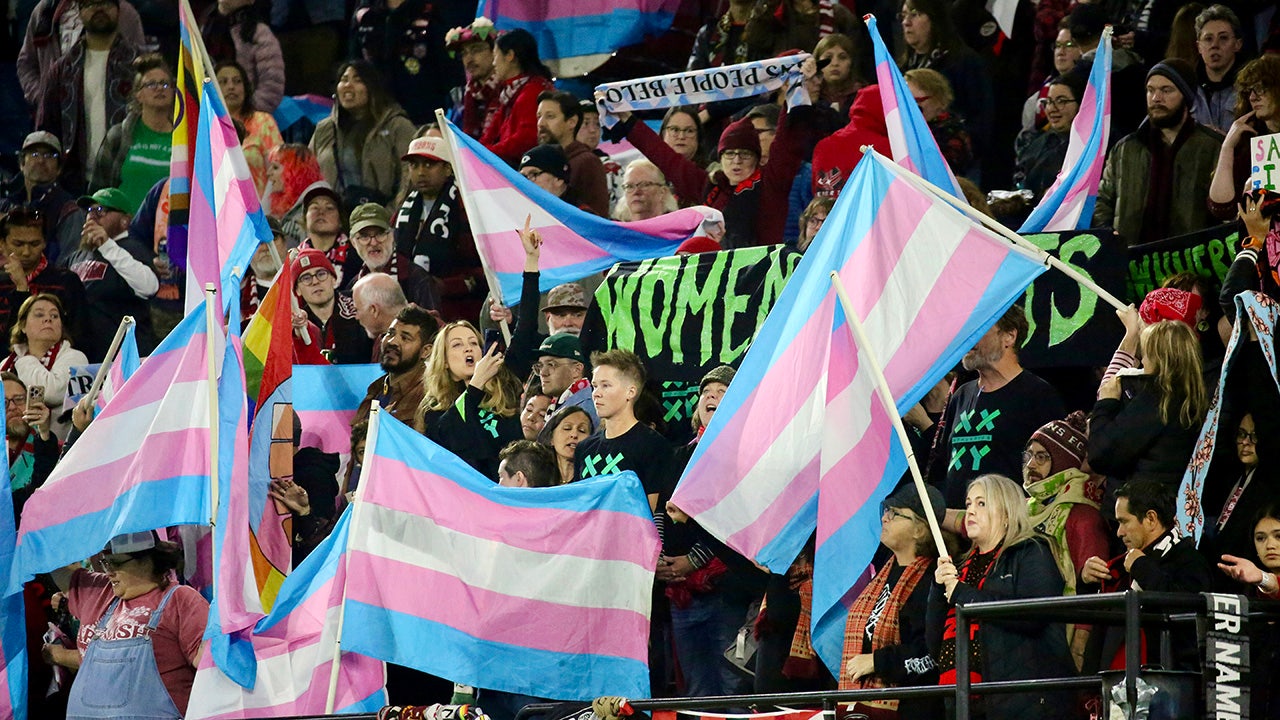
The WNBA is a league in which coaches, such as Cheryl Reeve, say that those who want to separate biological males and females in sports "don't want transgender people to exist."
asserted
people → say → sports
It's an organization in which players such as Wilson and DiJonai Carrington decry "white privilege."
asserted
players → decry → privilege
And a good chunk of the media who cover them walk in lockstep with their ideology.
asserted
who → cover → ideology
In their minds, fans ignoring such politics aren't everyday people who just want to watch hoops.
asserted
who → ignore → hoops
Perhaps the most egregious tweet regarding this matter came from USA Today writer Prince J. Grimes, who introduced his column Tuesday by writing "You can say A'ja Wilson overreacted, but in a split second of looking up, she perceived a fan's forward movement as a threat.
asserted
she → regard → threat
In the context of everything with that fanbase, I can't blame her."
asserted
I → blame → her
But it's not coming from them —it's coming toward them.
asserted
it → come → them
 The Aporia