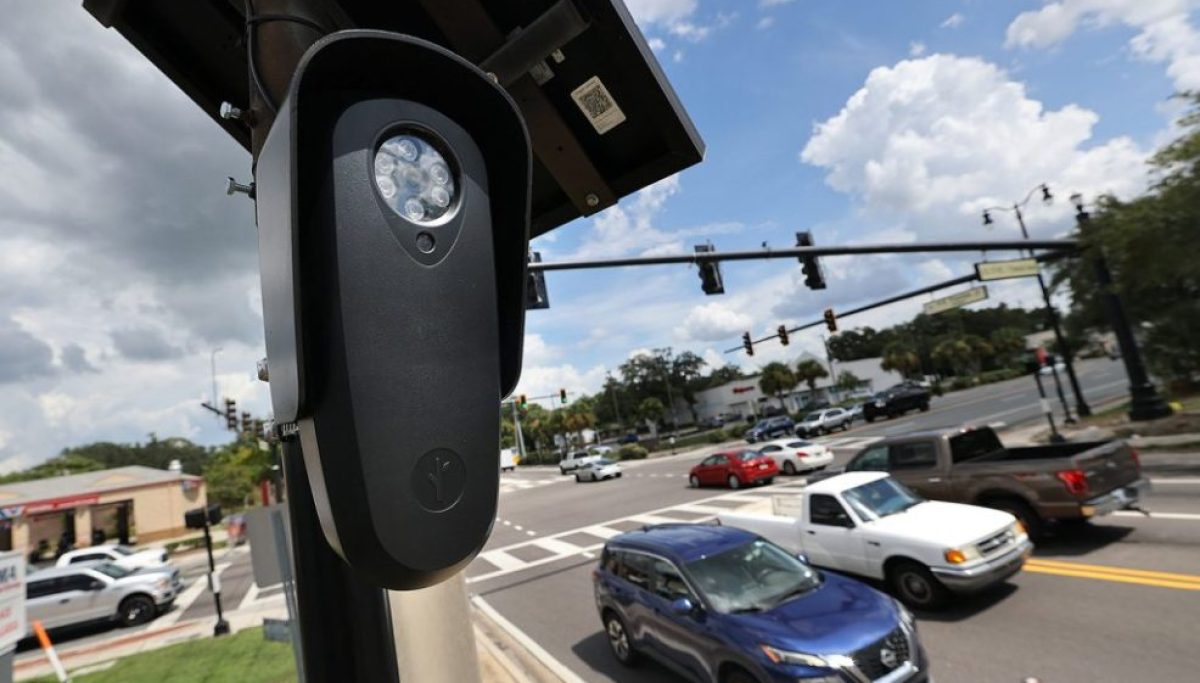
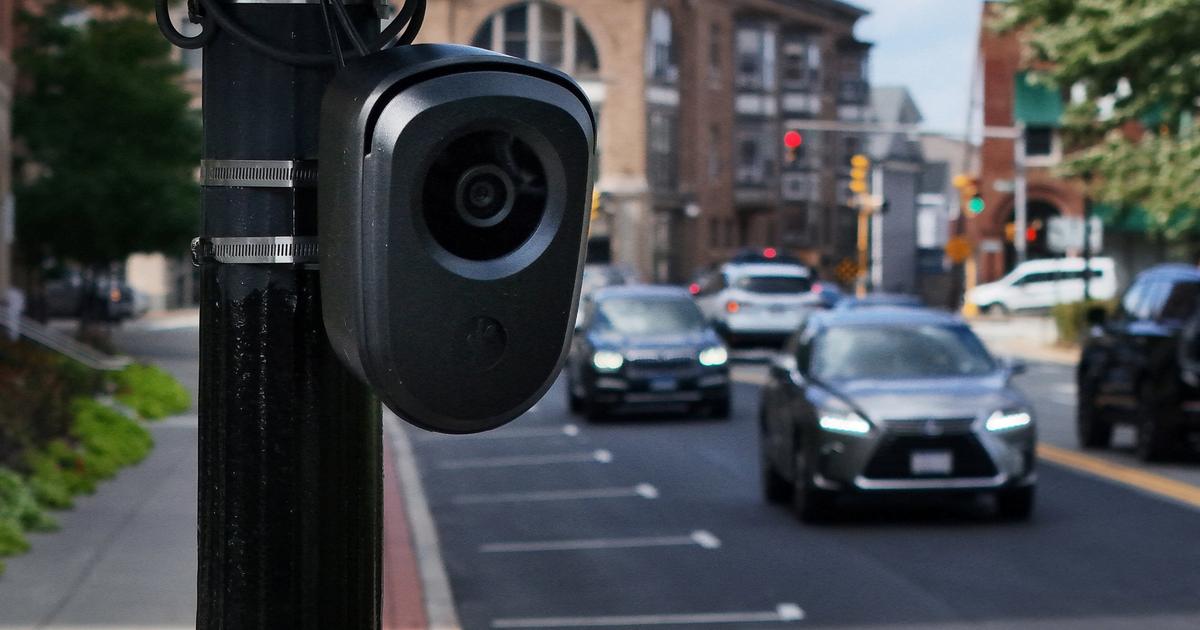
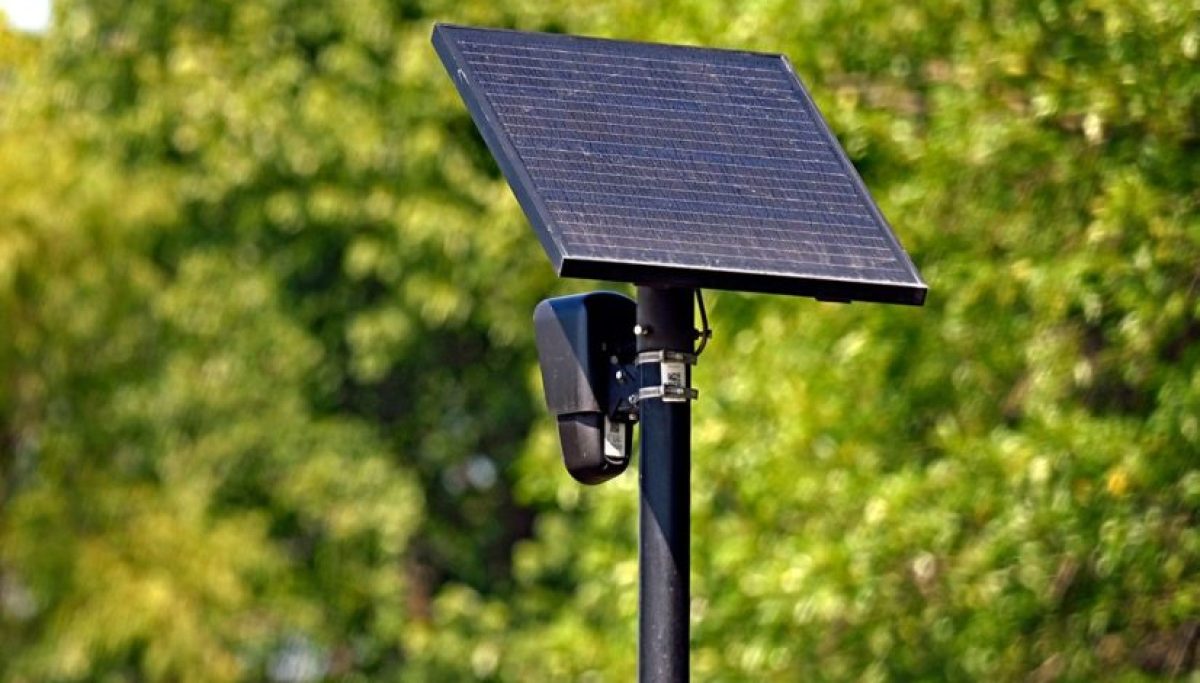
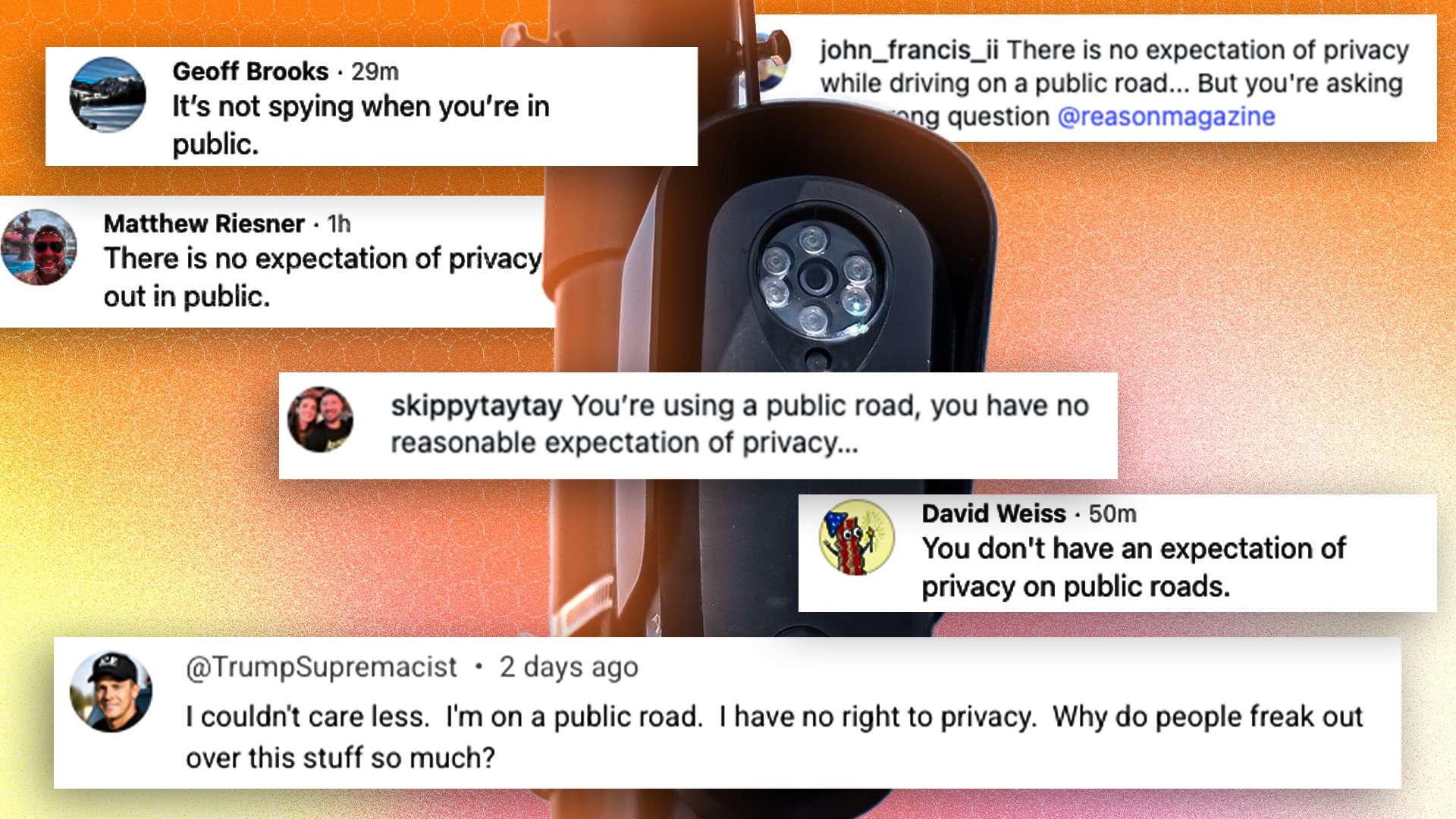
Photo via Washington Examiner

Police cameras aren’t just surveilling the road. Nobody can prove who’s watching

Read the original at Washington Examiner ↗
Cite

Oktenli, B. (2026, October 1). Police cameras aren’t just surveilling the road. Nobody can prove who’s watching. Washington Examiner. https://www.washingtonexaminer.com/op-eds/4748815/police-license-plate-cameras-access-control/

Dated when The Aporia collected the article, usually within hours of publication. Check the original for its exact date and byline.

Washington Examiner · collected 2026-10-01 · by Burak Oktenli

Quick Summary

The Senate Judiciary subcommittee held a hearing on September 23 to discuss Flock Safety's automated license plate reader network, focusing on privacy concerns and law enforcement benefits. The following day, Rep. Greg Steube introduced legislation requiring federal agencies to obtain warrants for accessing ALPR data. The article emphasizes the importance of verifying who has access to such data, highlighting Flock’s recent security measures including multi-factor authentication and case code requirements for searches, while also noting an instance in Ventura where out-of-state agencies accessed local data unintentionally due to misconfigured settings.
Written by AI on 2026-10-01, from this article's own text only (the story summary below draws on all the coverage).

AI analysis

Story summary

In February 2025, the Ventura, California Police Department discovered that two out-of-state agencies had accessed its Automated License Plate Reader (ALPR) system despite restricted access meant only for state partners. This incident sparked concern about surveillance and data privacy. On September 23, a Senate Judiciary subcommittee hearing addressed Flock Safety's ALPR network, discussing issues related to privacy, misuse, and public safety benefits. The next day, Rep. Greg Steube (R-FL) introduced the Facilitating Liberty and Accountability for Flock Observations Act, which aims to mandate federal agencies obtain warrants before accessing or sharing data from such systems. This debate highlights the broader issue of whether law enforcement can ensure proper control over who accesses ALPR records stored by companies like Flock Safety, raising questions about transparency and accountability in surveillance practices.

Written for “Police Camera Surveillance Controversy” on 2026-11-05, grounded in this article and the 0 other(s) covering the same event.

Story

📰 Police Camera Surveillance Controversy
Crime & Law · 1 article(s) covering the same event.

Compared with similar articles

This article reads unscored and hedges 4% of its claims. Each row says how that neighbour differs.
New York Post
⚖️ Leans right Hedges 4 of 17 claims Outlet record 66/100
“The articles discuss different aspects of Flock Safety's activities; one covers a congressional hearing and proposed legislation, while the other reports on an increase in camera installations in Suffolk County.”
Daily Mail
Hedges 2 of 23 claims Outlet record 69/100
“The articles discuss different aspects of AI and license plate surveillance technology, with Article A focusing on Britain's new crackdown using AI cameras to detect 'ghost plates', while Article B discusses legal debates and privacy concerns in the U.S. regarding Flock Safety's ALPR system.”
New York Post
Hedges 5 of 23 claims Outlet record 66/100
“Article A discusses legislative hearings and proposed legislation regarding Flock Safety's license plate reader network, while Article B reports on the discovery of unauthorized Flock cameras in a Florida county. These are different specific events.”
Semafor
Hedges 3 of 6 claims Outlet record 59/100
“The articles discuss related concerns about ALPR systems but describe distinct actions: one mentions a Senate Judiciary subcommittee hearing and legislation introduced by Rep. Greg Steube, while the other reports on a letter from Rep. Greg Casar to the FBI.”
Washington Examiner
Hedges 0 of 13 claims Outlet record 69/100
“The articles describe different legislative actions: a hearing followed by one bill from Rep. Steube, versus another bill introduced by AOC, Sanders, and Merkley.”
The Independent
⚖️ Leans left Hedges 5 of 25 claims Outlet record 59/100
“The articles discuss different aspects of Flock Safety's activities, with Article A covering a Senate Judiciary subcommittee hearing and legislation introduction, while Article B focuses on unauthorized surveillance cameras in Florida.”
Surveillance Finds a Way Different event
404 Media
⚖️ Leans left Hedges 1 of 10 claims Outlet record 95/100
“The articles discuss different aspects of surveillance technology and Flock Safety, but do not describe the same specific incident or occurrence.”
Reason
⚖️ Leans left Hedges 2 of 31 claims Outlet record 67/100
“The articles discuss related topics but cover different aspects and events; Article A focuses on privacy concerns regarding automatic license plate readers, while Article B mentions a Senate Judiciary subcommittee hearing about Flock Safety.”
How this article was measured signals, leaning charts, publisher record, byline, topics and claims

Signals How these are calculated →

Claims extracted
55
sentences that state something as happening or true
Uncertain
4%
2 of 55 hedged ("reportedly", "may", "according to")
Leaning
not political
takes no side on a contested political question
Publisher signals
69/100
Washington Examiner's corrections and hedging, across everything collected from it. Not a measure of accuracy.
Outlets on this story
1
Crime & Law
Same framing elsewhere
1
articles that frame the event the way this one does
Analyzed 2026-10-01 · how these are computed

How this is being covered How these are calculated →

Article leaning vs. publisher reliability
Source leaning vs. consistency

Publisher

Washington Examiner · 4249 article(s) · 8 correction(s) detected
Running correction rate · 8 correction(s)

Who wrote this

Burak Oktenli
10 article(s) here · 1 carrying a prediction
🔮 A defense laboratory could add one simple test: approve a benign configuration, change one material dependency, and ask whether reviewers correctly determine which evidence still applies.
🔮 It would be a mistake to treat one monthly jobs report as proof that AI is either destroying employment or already delivering a productivity miracle.
🔮 The next day, Rep. Greg Steube (R-FL) introduced the Facilitating Liberty and Accountability for Flock Observations Act, which would require federal agencies to obtain a warrant before accessing or sharing data from networked ALPR systems.
🔮 OpenAI has also said that some organizations may review a notification and conclude that the model accessed intentionally public information or exposed a design weakness rather than causing a significant security incident.
🔮 As of Sept. 22, public reporting still has not established where the force would sit, what authorities it would hold, or which mission would distinguish it from agencies already handling cybercrime, national security, critical infrastructure, and technology policy.
🔮 In a joint advisory, the FBI and the Cybersecurity and Infrastructure Security Agency warned that denial-of-service attacks could make voter information tools or unofficial election night reporting unavailable while leaving the underlying voting process intact.
🔮 CNN could not determine which chatbot was used, and the actual cargo has not been publicly identified.
🔮 China urged the U.S. to halt its military buildup in space and warned that the disclosure could fuel an arms race.
🔮 That is the case when Congress should begin testing for a Department of Cyber War — not a new military service and not an agency empowered to wage war, but a civilian institution whose central mission would be national continuity during severe cyber conflict.
🔮 It requires the imagination to prepare for dangers that will not look like the last one.
Also by Burak Oktenli
Nothing else under this byline is closely related to this article, so these are simply their most recent.
All 10 articles by Burak Oktenli →

Topics

California Flock Senate Judiciary Ventura Washington

Subjects

Flock ORG · 5× California GPE · 4× Ventura PERSON · 4× Arizona GPE · 1× Greg Steube PERSON · 1× Pinal County GPE · 1× Ross Teeple PERSON · 1× Senate ORG · 1× Senate Judiciary ORG · 1× Washington GPE · 1×

Narrative

In February, the Ventura, California, Police Department reported that a vendor-enabled nationwide query function had allowed two out-of-state agencies to query Ventura’s ALPR system during parts of 2025, even though the department believed access was restricted to state partners.
framing: assertive · carried by 1 article(s) · first seen 2026-10-01
🔮 The next day, Rep. Greg Steube (R-FL) introduced the Facilitating Liberty and Accountability for Flock Observations Act, which would require federal agencies to obtain a warrant before accessing or sharing data from networked ALPR systems.
2026-10-01 · Washington Examiner
Police cameras aren’t just surveilling the road. Nobody can prove who’s watching · assertive framing

Claims (55 extracted, 2 hedged)

Washington spent the last week arguing over Flock Safety. asserted
Washington → spend → Safety
On Sept. 23, a Senate Judiciary subcommittee hearing examined the company’s automated license plate reader network, privacy, misuse, and public-safety value. asserted
hearing → examine → network
The next day, Rep. Greg Steube (R-FL) introduced the Facilitating Liberty and Accountability for Flock Observations Act, which would require federal agencies to obtain a warrant before accessing or sharing data from networked ALPR systems. asserted
which → introduce → systems
Those legal and civil liberties questions matter. asserted
questions → matter → ?
But they can obscure a narrower issue that does not require choosing between law enforcement and privacy: when a camera network stores searchable records of where vehicles were seen, can the agency using it prove exactly who can reach those records? asserted
who → obscure → records
Flock says searches are tied to individual users and logged, access is role-based, and most communities use a seven-day retention period unless local rules require otherwise. asserted
rules → say → period
It has also announced mandatory multi-factor authentication, required case codes for law enforcement searches by year-end, broader audit assistance, and proactive lockout for abnormal behavior. asserted
It → announce → behavior
Its trust materials describe those controls. asserted
materials → describe → controls
Security is now an access-control question The public safety case should not be caricatured. asserted
case → caricature → ?
At the Senate hearing, Pinal County, Arizona, Sheriff Ross Teeple, who had ended his county’s Flock contract, still described ALPRs as useful investigative tools. asserted
who → end → tools
Sen. Katie Britt (R-AL) likewise argued that law enforcement values and safeguards can both matter. asserted
values → argue → ?
Her office summarized that position after the hearing. asserted
office → summarize → hearing
The cybersecurity question begins one layer later: do actual permissions, sharing relationships, and account behavior remain consistent with the written policy over time? asserted
permissions → begin → time
Flock’s own recent security work shows what verifiable assurance can look like. asserted
assurance → show → what
On Sept. 22, the company published a summary of an independent Bishop Fox penetration test covering its hardware, software, mobile applications, and cloud infrastructure. asserted
company → publish → hardware
The test identified 36 issues of varying severity. asserted
test → identify → severity
Flock says all critical and high-severity findings were fixed and independently verified, and that none resulted in outside access to customer data or systems. asserted
none → say → data
The company published the remediation status here. asserted
company → publish → status
That discipline should sound familiar: test a control, expose what fails, remediate it, then verify the fix. asserted
what → sound → fix
Access governance can be judged the same way. asserted
governance → judge → ?
A rule saying only approved partners may search data is weaker evidence than a record showing which partners could actually search it, when that permission changed, and what happened when use became unusual. uncertain
use → say → it
California shows why configuration history matters asserted
history → show → ?
In February, the Ventura, California, Police Department reported that a vendor-enabled nationwide query function had allowed two out-of-state agencies to query Ventura’s ALPR system during parts of 2025, even though the department believed access was restricted to state partners. asserted
access → report → partners
Ventura said it had not authorized those queries. asserted
it → say → queries
Because of limitations in the configuration and logging available at the time, it could not determine whether vehicle data had actually been provided. uncertain
data → determine → time
Ventura published the incident and corrective actions. asserted
Ventura → publish → incident
Flock separately acknowledged inadvertent out-of-state accessibility in some California networks and said it added safeguards. asserted
it → acknowledge → safeguards
The lesson is not that every technically possible access became an improper search. asserted
access → become → ?
It is that configuration history can matter as much as the written access policy. asserted
history → matter → policy
The San Mateo County, California, Civil Grand Jury made a similar point in August. asserted
Jury → make → August
Reviewing all 17 county law enforcement agencies operating ALPR systems, it found meaningful progress in eliminating out-of-state sharing while identifying remaining gaps in policy maintenance, audits, and oversight of in-state sharing relationships. asserted
it → review → relationships
Its press advisory summarizes the findings. asserted
advisory → summarize → findings
There is no public evidence that the People’s Republic of China-linked Salt Typhoon campaign accessed Flock systems. asserted
campaign → be → systems
Conflating the two would turn a security argument into speculation. asserted
Conflating → conflate → speculation
The FBI says PRC-affiliated actors compromised multiple U.S. telecommunications companies and stole call-data logs, a limited number of private communications, and selected information associated with court-ordered law-enforcement requests. asserted
actors → say → requests
Verizon says some mobile internet records reached by the actor included cell-tower locations, times, device identifiers, and destination IP addresses. asserted
records → say → locations
A later multinational Cybersecurity and Infrastructure Security Agency advisory described PRC state-sponsored actors using compromised network devices and trusted connections to move through victim environments. asserted
actors → describe → environments
That does not establish a bridge to Flock. asserted
That → establish → Flock
It establishes a security principle: valuable metadata and trusted relationships deserve scrutiny. asserted
metadata → establish → scrutiny
Ask the questions that an incident would force us to answer An access-assurance review can remain agnostic on the larger warrant debate. asserted
review → ask → debate
…and 15 more, not listed.

💬Give feedback · no sign-in needed

No sign-in needed for now. Your note is sent without a name, so it cannot be answered.

🕘History 🎫Support