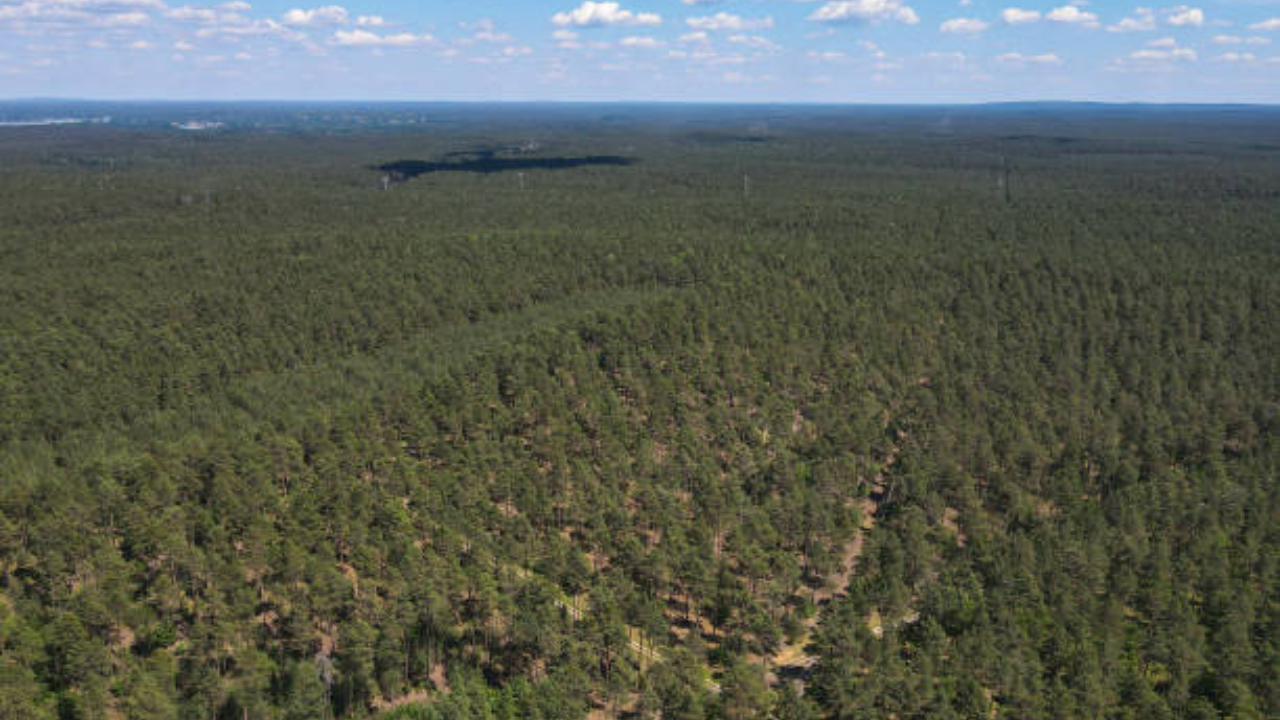
A North Carolina family has held on to part of the same property for seven generations, more than 200 years after its ancestors bought the land.
asserted
ancestors → hold → land
Now, 298 acres of that historic holding have been placed under permanent conservation protection.
asserted
acres → place → protection
The land in Robeson County was purchased by John W. Caldwell and his wife, Nancy Hartfield, in 1811.
asserted
land → purchase → 1811
They had moved from Kinston, North Carolina, to the Raft Swamp area near Lumberton before acquiring the 600-acre property.
asserted
They → move → property
Last year, on June 9, Three Rivers Land Trust, a non-profit conservation organisation, protected 298 acres of land through a conservation easement, ensuring the property cannot be developed into housing or used for commercial purposes, according to the trust.
uncertain
property → protect → trust
The agreement covers most of the land that remains with the family today.
asserted
that → cover → family
Of the original 600 acres, 306 acres are still family-owned, with Joe and Rosalie Dietzel and their son, Charles Dietzel, now responsible for its stewardship.
asserted
Dietzel → own → stewardship
The conservation deal means the protected acreage will remain undeveloped rather than being converted into a residential neighbourhood, covered with houses and asphalt or turned into a commercial site.
asserted
acreage → mean → site
Land passed down through seven generations
The property has remained connected to the Caldwell-Dietzel family for 214 years, although the way the land has been used has changed over time.
asserted
land → pass → time
More than 200 acres of the property were once cultivated for tobacco.
asserted
acres → cultivate → tobacco
The land is now covered by longleaf and loblolly pine trees and is managed as working forestland.
asserted
land → cover → forestland
For the family, preserving the property is not only about maintaining the forest.
asserted
preserving → preserve → forest
Keeping the land within the family has been one of its key goals.
asserted
Keeping → keep → goals
Joe Dietzel said the family wanted to continue the agricultural legacy established by John Caldwell and Nancy Hartfield and eventually pass it to future descendants.
asserted
family → say → descendants
“We are deeply honoured and humbled to be able to continue the agricultural legacy of John and Nancy and to pass that legacy on to our descendants,” Dietzel said.
asserted
Dietzel → honour → descendants
The conservation easement gives that intention a permanent legal framework for the 298 acres.
asserted
easement → give → acres
While the family retains ownership, the agreement restricts future development of the protected land.
asserted
agreement → retain → land
It will continue to be used as forestland rather than being opened up for residential or commercial construction.
asserted
It → continue → construction
From tobacco farming to pine trees
The landscape has changed significantly since the property was first acquired.
asserted
property → change → trees
Tobacco was once a major part of the family’s use of the land, with more than 200 acres devoted to the crop.
asserted
acres → devote → crop
Today, longleaf and loblolly pines dominate the property.
asserted
pines → dominate → property
The family’s management of the forest has also brought recognition from organisations involved in forestry and conservation.
asserted
management → bring → forestry
The North Carolina Forest Service has recognised the landowners for their efforts to care for the property.
asserted
Service → recognise → property
The family also became the first landowners from Robeson County to be included in the Longleaf Alliance’s “Longleaf Honour Roll”.
asserted
family → become → Roll
That recognition came as the family continued managing the forest while retaining its connection to the property across generations.
asserted
family → come → generations
“The Dietzel family are remarkable stewards of their land and are deeply committed to its permanent conservation,” Emily Callicutt, director of conservation at Three Rivers Land Trust, said.
298 acres protected from future development
The agreement does not transfer the land to the land trust.
asserted
agreement → commit → trust
Instead, the conservation easement places permanent restrictions on how the 298 acres can be developed.
asserted
acres → place → restrictions
That distinction allows the family to continue owning the property while preventing future development that could fundamentally change its use.
uncertain
that → allow → use
The protected acreage will not become a housing development or commercial property.
asserted
acreage → protect → ?
The land will remain undeveloped and continue to showcase the family’s longstanding connection to agriculture and forestry.
asserted
land → remain → agriculture
The agreement also reflects a wider effort by Three Rivers Land Trust to protect family-owned agricultural land.
asserted
agreement → reflect → land
“Saving family farms is one of our core missions,” Travis Morehead, executive director of Three Rivers Land Trust, said.
asserted
Morehead → save → Trust
“We understand the significance of agriculture in North Carolina and are proud to help this family conserve their land.”
asserted
family → understand → land
A 214-year connection continues
The conservation agreement comes more than two centuries after the original 600-acre purchase.
asserted
agreement → continue → purchase
Only part of that original holding remains with the family today, but the 306 acres that survived seven generations are still under family stewardship.
asserted
that → remain → stewardship
Of that remaining property, 298 acres are now protected from future development.
asserted
acres → remain → development
For the Caldwell-Dietzel family, the deal puts a permanent safeguard around a piece of land that has outlasted generations of owners, changes in agriculture and the transition from tobacco cultivation to managed pine forest.
asserted
that → put → forest
 The Aporia