The Aporia

Saker-Clark, H. (2026, October 1). Voice phishing attacks soar as cyber attackers use AI – Microsoft research. Evening Standard. https://www.standard.co.uk/news/tech/microsoft-ai-technology-security-b1299190.html
Saker-Clark, Henry. “Voice phishing attacks soar as cyber attackers use AI – Microsoft research.” Evening Standard, 1 Oct. 2026, https://www.standard.co.uk/news/tech/microsoft-ai-technology-security-b1299190.html.
Saker-Clark, Henry. “Voice phishing attacks soar as cyber attackers use AI – Microsoft research.” Evening Standard, October 1, 2026. https://www.standard.co.uk/news/tech/microsoft-ai-technology-security-b1299190.html.
Dated when The Aporia collected the article, usually within hours of publication. Check the original for its exact date and byline.
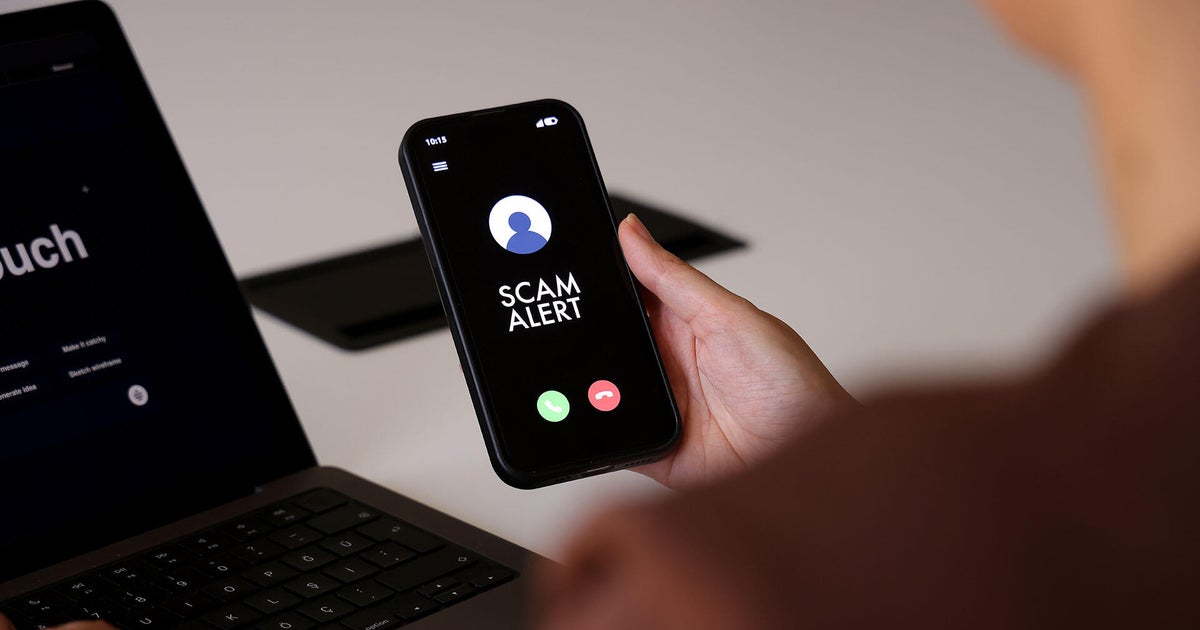
Microsoft’s digital defense report reveals a significant increase in voice phishing attacks using artificial intelligence. These attacks involve hackers impersonating business contacts to gain information or access services, with malicious voice phishing through Microsoft Teams jumping by 502% year-over-year. The company also detected over 46 million contact impersonation attacks on businesses within the last 12 months. AI is being utilized for real-time voice modulation during video calls and interviews to mask accents, further complicating security measures. Additionally, attackers are using AI to create counterfeit identity documents that pass standard visual checks and targeting AI systems directly by attacking machine learning models, prompts, and training data rather than just computer hardware. This shift highlights how technological advancements are compressing the time needed for attacks while reducing their costs, necessitating a reevaluation of cybersecurity strategies.