The facts about what happened aboard Flydubai flight 1073, from Dubai, UAE to Tel Aviv, Israel on Sept. 30 are not in dispute.
asserted
what → happen → dispute
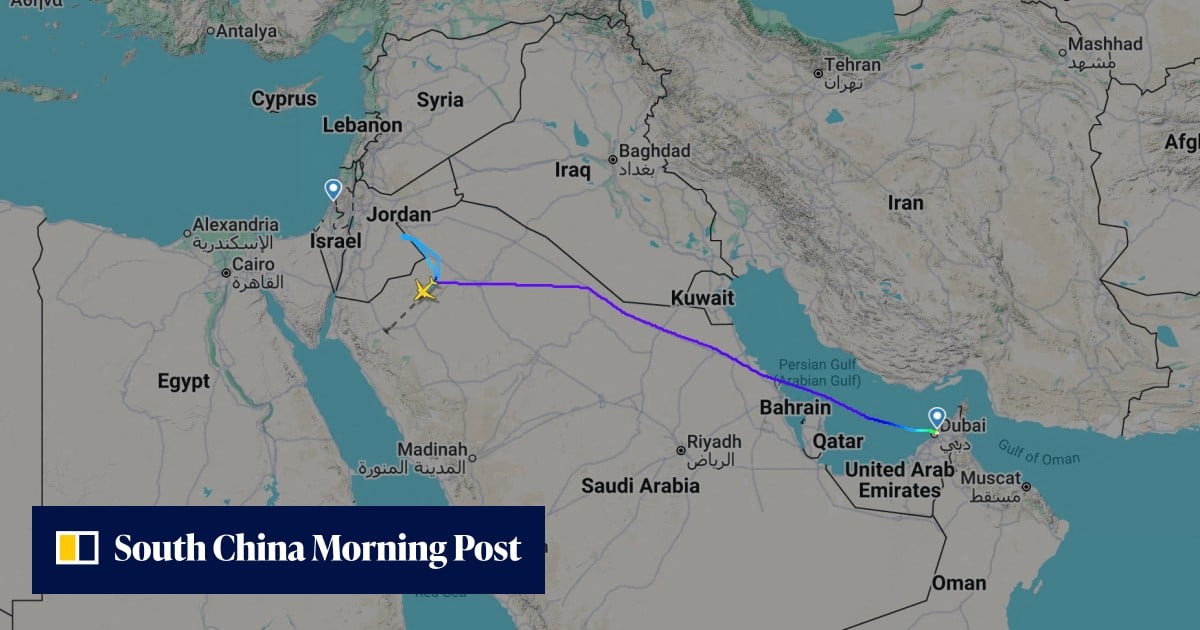
The plane, carrying more than 170 passengers, left the ground at 3:05 a.m. local time (11:05 p.m. EDT) to begin a planned three-hour and 35-minute journey, climbing to a cruising altitude of 34,000 ft., according to FlightRadar24, a live air traffic site.
uncertain
plane → carry → FlightRadar24
At 5:21 a.m., the co-pilot, an unnamed Omani national, attacked the pilot, an Indian national named Smit Machchhar, with what is being variously described as an axe or a knife.
asserted
what → attack → axe
The plane went into a steep dive, plummeting more than 14,000 ft. in 30 seconds, slinging screaming passengers from their seats.
asserted
plane → go → seats
Bleeding profusely from cuts to his hands and head, Machchhar managed to send out three alerts to the ground: a so-called 7700 alarm, indicating a “general emergency;” then a 7500, indicating “unlawful interference;” then another 7700.
asserted
Machchhar → bleed → interference
More importantly, he was able to unlatch and open the locked cockpit door, tumbling into the galley area at the front of the plane, while still wrestling with his co-pilot.
asserted
he → unlatch → pilot
Two passengers and one flight crew member subdued the attacker and bound his hands with the cables from passenger headphones.
asserted
passengers → subdue → headphones
In a case of good fortune, two reserve pilots were aboard the plane, there to relieve the prime crew when they landed in Tel Aviv.
asserted
they → relieve → Aviv
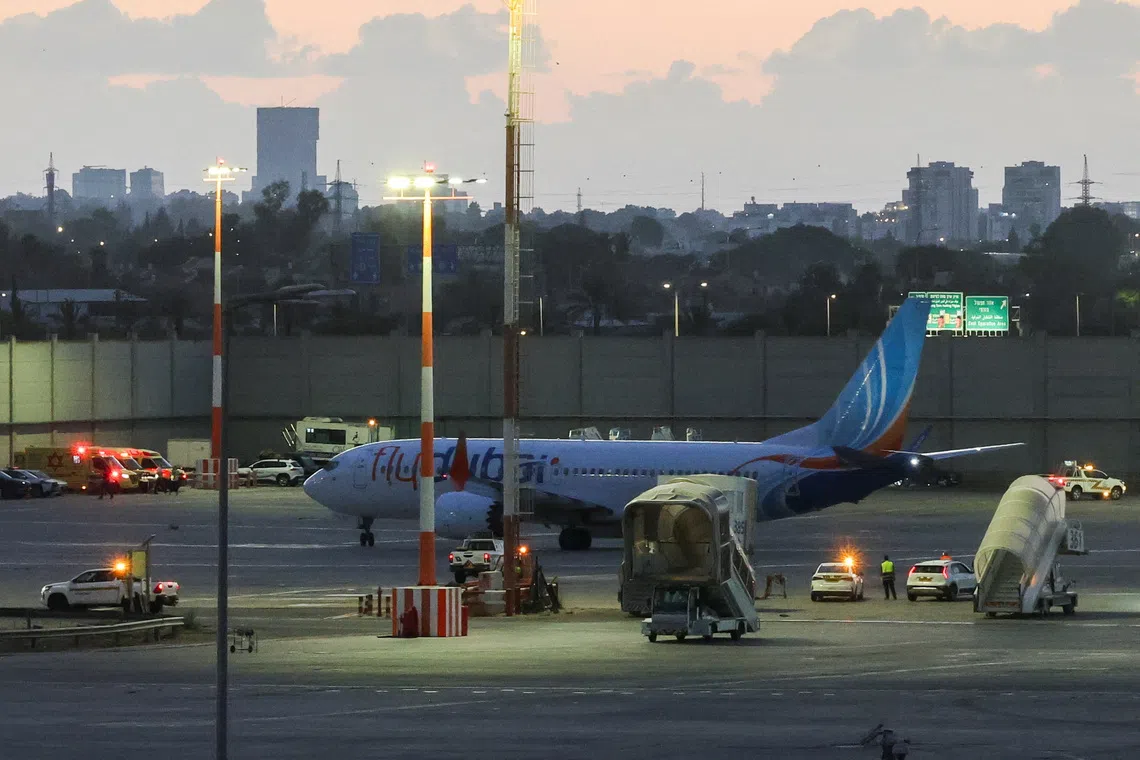
The pair raced to the cockpit, took the controls, and landed the plane safely in Tabuk, Saudi Arabia.
asserted
pair → race → Tabuk
Both of the prime pilots were taken to a local hospital, where Machchhar is being treated for his wounds, and the attacker was taken into custody, where he faced interrogation by Saudi law enforcement officers before being handed over to the UAE.
asserted
he → take → UAE
In an interview with Fox News, Israeli Prime Minister Benjamin Netanyahu said it was too soon to know if the co-pilot were acting in coordination with Iran, with which Israel is currently at war, in an act of organized terrorism, “but he obviously hated Israelis because he was going to kill about 170 of them on the plane, killing himself too.”
U.S. President Donald Trump on Thursday suggested the co-pilot may be linked to Iran, "based on what [he's] hearing," but did not provide any details.
uncertain
he → say → details
Machchhar, meantime, is being hailed a hero on the international stage.
asserted
Machchhar → hail → stage
“Captain Smit Machchhar has shown the world the highest form of courage,” Indian Prime Minister Narendra Modi posted on X.
asserted
Modi → show → courage
“Without fearing for his own life, he fought valiantly and prevented another 9/11 like attack from happening.”
asserted
he → fear → attack
What’s far less clear in the wake of the near mass casualty is how it happened in the first place.
asserted
it → ’ → place
The attacker had been with the airline for eight months—coming aboard before the war in Iran began.
asserted
war → come → Iran
Was he nonetheless collaborating with Iran, or was he a self-radicalized lone wolf?
asserted
he → collaborate → Iran
What kind of screening do commercial pilots worldwide go through to ensure mental stability and to rule out terrorist or criminal links?
asserted
pilots → go → links
How did a weapon make it aboard the plane in the first place?
asserted
weapon → make → place
And are the locked and hardened cockpit doors—which went into use on airlines worldwide after 9/11—almost too secure, keeping attackers out, yes, but preventing rescuers from getting in to stop a similar incident between pilots?
asserted
which → lock → pilots
What security measures are in place to ensure pilots don't present a risk?
asserted
pilots → ensure → risk
The early reports that the weapon used in the attack was a knife raised questions, since the popular belief is that pilots and crew go through the same security screening passengers do.
asserted
passengers → use → screening
But that’s not the case, according to experts.
uncertain
that → ’ → experts
“Most of the pilots and flight crew will go through what's called the ‘crew member access point,’” says Jeff Price, professor of aviation at the Metropolitan State University of Denver, and author of the book Practical Aviation Security.
asserted
Price → go → book
“They’re called ‘known crew members.’
asserted
They → call → ?
A large part of this is based on trust.
asserted
part → base → trust
They have access to the airplane and if they wanted to sabotage it, they probably could.”
uncertain
they → have → it
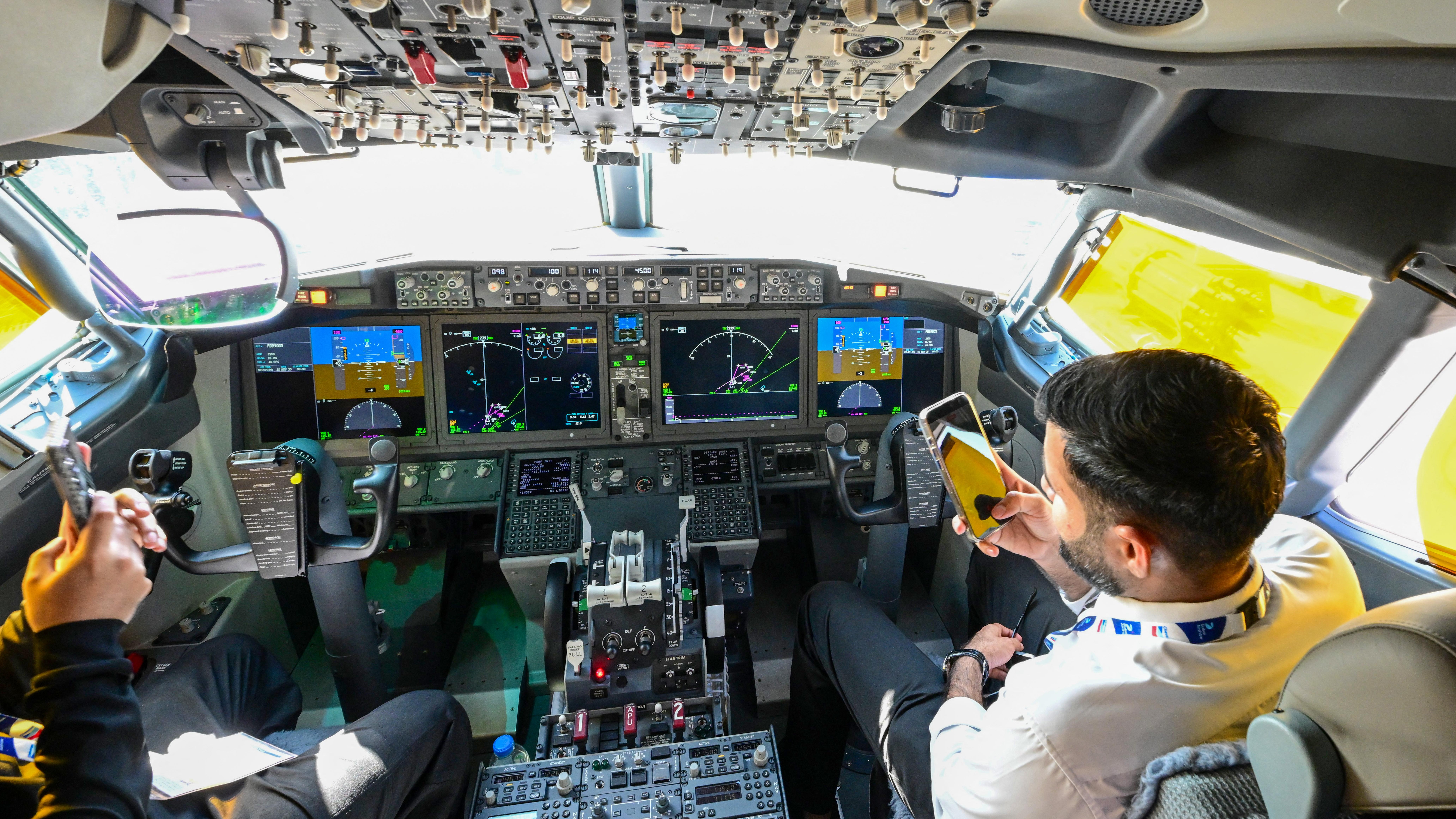
Subsequent investigations revealed that the co-pilot did not have a knife, but instead used what’s known as a crash axe, a tool kept in the cockpit for use, as its name suggests, as a means of escape or rescue in the event of an accident.
uncertain
name → reveal → accident
Other kinds of screening—for mental health, criminal background, and potential association with terrorist or other criminal organizations—is more rigorous, but standards vary from country to country.
asserted
standards → vary → country
“A new pilot does go through a criminal history record check to see if they've ever been arrested or convicted of a set of 28 different crimes,” says Price of the U.S. process.
asserted
Price → go → process
“They also go through what's called a security threat assessment, which is a TSA check to see if they are on any sort of list that might require them to not receive a badge to the airline, which means they can't fly for the airline.
uncertain
they → go → airline
Psychological profiling is much less strict, basically operating on the honor system—honor being a quality that somebody with an eye toward bringing down a plane would not be likely to possess in abundance.
asserted
somebody → operate → abundance
“There's not a federal requirement for that other than their flight medical [tests], in which case they're given a questionnaire that basically says, ‘Are you mentally stable and do feel okay?’” says Price.
asserted
Price → be → questionnaire
International standards do call for, at a minimum, this level of mental health screening, but standards and enforcement vary from jurisdiction to jurisdiction.
asserted
standards → call → jurisdiction
Concerns over cockpit barriers intended to close a 9/11 security gap
As for locked cockpit doors, they can be opened from the outside provided that somebody knows the combination—which, outside of the pilots themselves, only firefighters, police, and other first responders do.
asserted
firefighters → intend → pilots
That, Price admits, does raise the question of the doctrine of unintended consequences, with the post-9/11 security measures solving one problem while creating another.
asserted
measures → admit → another
Additionally, in the U.S., new Federal Aviation Administration rules require what is called a “secondary cockpit barrier” on all newly-manufactured commercial planes delivered to U.S. airlines.
asserted
what → require → airlines
The rule, which doesn’t apply to existing planes, is set to add an extra layer of security at the head of the plane and, hopefully, prevent any potential bad actors from gaining access to the cockpit.
asserted
which → apply → cockpit
But again, what if the danger lies within the cockpit?
asserted
danger → lie → cockpit
“Everything we did was to try and prevent access to the flight deck, which doesn't do a whole lot of good when the problem is coming from inside the house,” acknowledges Price, adding that “it’s a [matter of] risk-reward.”
asserted
it → do → reward
…and 4 more, not listed.
 The Aporia