The Aporia
Chen, M. (2026, October 2). Online claims revive mercury mystery around tomb of first Chinese emperor. South China Morning Post. https://www.scmp.com/news/china/science/article/3369469/online-claims-revive-mercury-mystery-around-tomb-first-chinese-emperor?utm_source=rss_feed
Chen, Meredith. “Online claims revive mercury mystery around tomb of first Chinese emperor.” South China Morning Post, 2 Oct. 2026, https://www.scmp.com/news/china/science/article/3369469/online-claims-revive-mercury-mystery-around-tomb-first-chinese-emperor?utm_source=rss_feed.
Chen, Meredith. “Online claims revive mercury mystery around tomb of first Chinese emperor.” South China Morning Post, October 2, 2026. https://www.scmp.com/news/china/science/article/3369469/online-claims-revive-mercury-mystery-around-tomb-first-chinese-emperor?utm_source=rss_feed.
Dated when The Aporia collected the article, usually within hours of publication. Check the original for its exact date and byline.
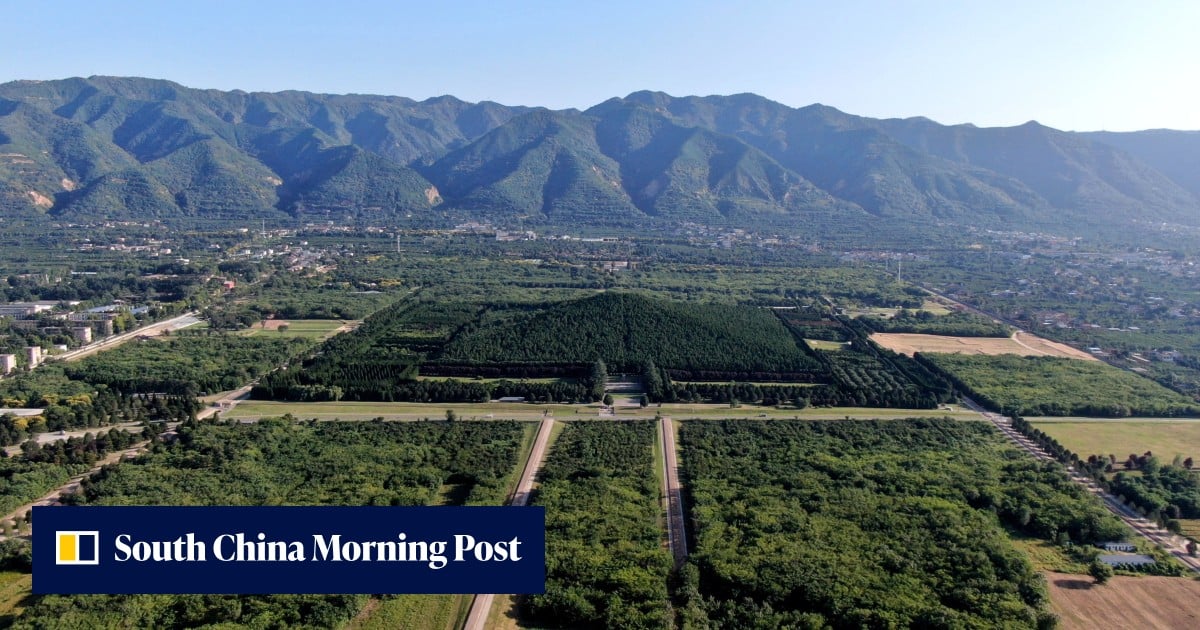
Online discussions have reignited interest in the mystery surrounding mercury levels at the tomb of Qin Shi Huang, China's first emperor who unified the country over 2,000 years ago. The debate was sparked by a Weibo hashtag about ancient cinnabar sites, which led to speculation and trending social media posts. Archaeologists have recently discovered evidence of cinnabar mining, processing, and transport in three sites in Xunyang, located in the Shaanxi province, dating back to pre-Qin and Qin-Han periods. These findings are thought to be linked to the source of mercury used in the construction of Qin Shi Huang's mausoleum, which is believed to contain artificial rivers and seas made from the toxic metal.