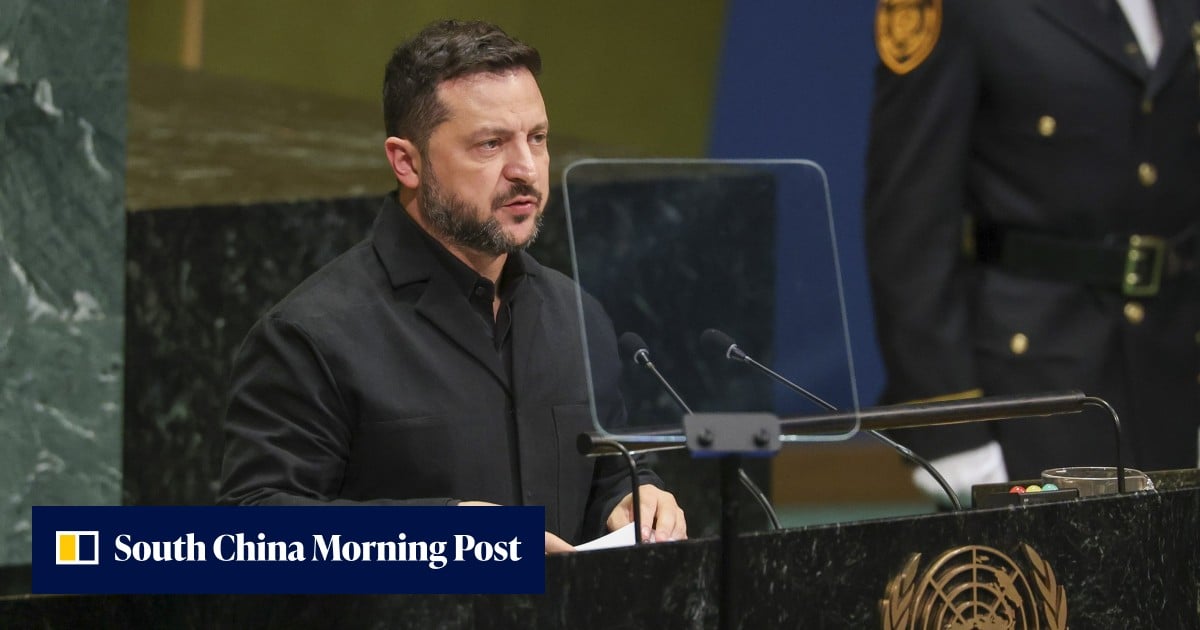
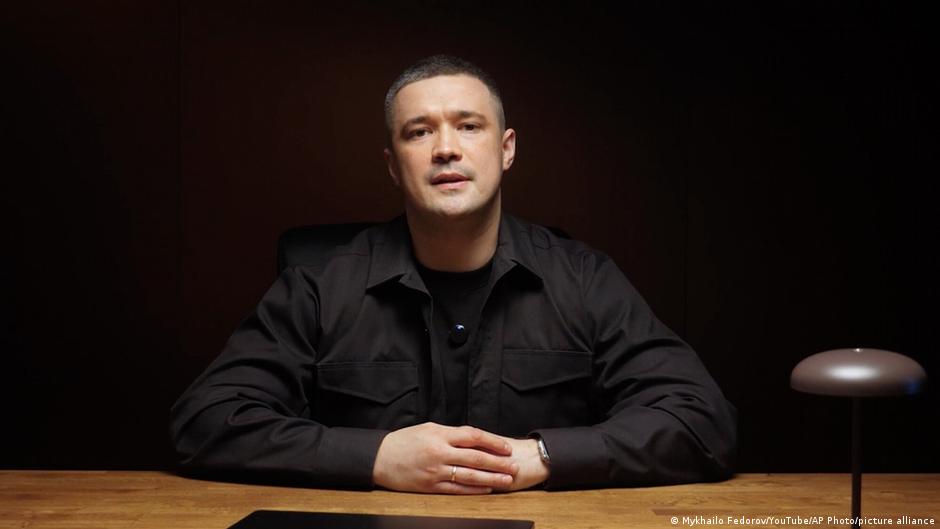
Speaking at the UN General Assembly on September 23, Ukrainian President Volodymyr Zelenskyy sparked a diplomatic dust-up with South Korea.
asserted
Zelenskyy → speak → Korea
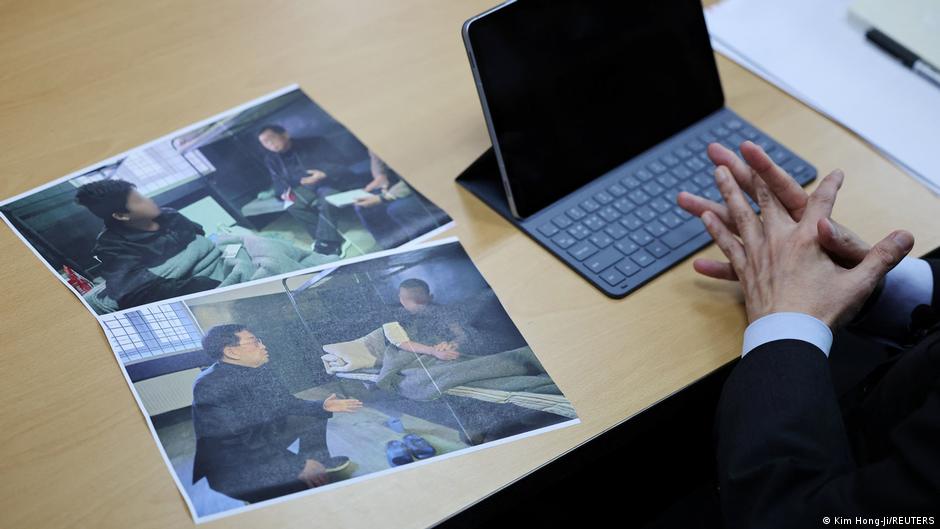
In his speech, Zelenskyy mentioned that Ukraine had recently "sent two North Korean prisoners of war to the Republic of Korea" — men who had been captured by Ukrainian forces during fighting in Russia's Kursk region in January 2025.
asserted
who → mention → January
Both had expressed a wish to resettle in South Korea, he said.
asserted
he → express → Korea
The reaction from Seoul was swift: South Korea's Foreign Ministry summoned Ukraine's ambassador to Seoul, Andrii Vieshkin, and demanded an explanation for what it described as Kyiv's "unilateral disclosure" of the prisoners' transfer, despite a prior agreement to keep the matter confidential, along with an official apology.
asserted
it → summon → apology
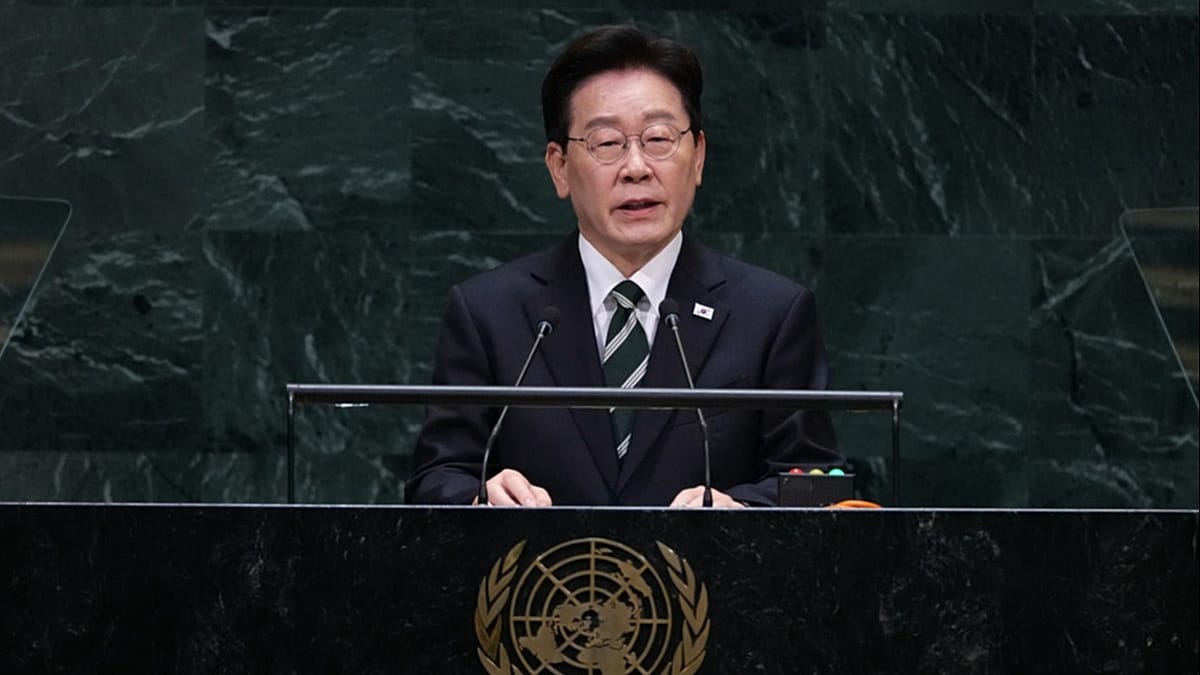
Responding to Zelenskyy's speech, South Korean President Lee Jae Myung said the transfer of North Korean prisoners of war was a sensitive topic with wide-ranging consequences for diplomacy and national security on the Korean Peninsula.
asserted
transfer → respond → Peninsula
Did Kyiv and Seoul have a secret agreement?
asserted
Kyiv → have → agreement
Dmytro Lytvyn, Zelenskyy's spokesperson, wrote on Facebook that no such confidentiality agreement existed between the two countries, adding that it was wrong to keep secret where such prisoners were being transferred.
Soon after, South Korean presidential spokesperson Kim Sung-wan called Lytvyn's denials false, according to news agency Reuters.
uncertain
wan → write → Reuters
Kim said Ukraine had asked for confidentiality — allegedly over concerns there might be criticism at home if the North Korean prisoners weren't swapped for Ukrainian prisoners being held in Russia.
uncertain
prisoners → say → Russia
Seoul had agreed to the secrecy for diplomatic reasons, he added, but also to protect the prisoners and their families who were still living in North Korea.
asserted
who → agree → Korea
Nataliya Butyrska, an Asia-Pacific expert at the New Europe Center in Kyiv, told DW that Ukraine and South Korea lacked a continuous, trust-based dialogue, especially under the current government in Seoul.
asserted
Ukraine → tell → Seoul
"We should actually be natural partners — we should be standing shoulder to shoulder, with North Korea fighting against Ukraine," she said.
asserted
she → stand → Ukraine
The prisoner transfer has been a hotly debated topic in South Korean media in the last week — not least because, according to South Korea's constitution, North Koreans are considered citizens of South Korea.
uncertain
Koreans → debate → Korea
It's also been instrumentalized by opposition lawmakers, while President Lee, aiming to ease tensions with the North, has taken a more measured approach.
asserted
Lee → instrumentalize → approach
"The prisoners could have been used by Ukraine to improve bilateral relations between Kyiv and Seoul," said Butyrska, adding that no one in South Korea was now thinking of thanking Ukraine for transferring the prisoners.
uncertain
one → use → prisoners
Butyrska pointed out that Russia, which usually doesn't express any interest in foreign prisoners, had actually demanded the return of these two North Koreans.
asserted
which → point → Koreans
"There was even a period of six months when the Russians refused to release any Ukrainian prisoners of war," she said.
asserted
she → be → war
"They were not prepared to undertake any swap, because they wanted the North Koreans.
asserted
they → undertake → Koreans
"
Is Ukraine being held hostage by South Korea's domestic politics?
asserted
Ukraine → hold → politics
For some observers, the diplomatic crisis can be linked back to domestic conflicts in South Korea.
asserted
crisis → link → Korea
The opposition wants to know why the president agreed to keep the prisoner transfer secret, and have accused Lee of trying to gain favor with the North.
asserted
president → want → North
"President Lee Jae Myung was surprised by the incident, and now wants to shift the blame in part on Ukraine," said Mykola Polishchuk, a Korea expert based in Ukraine.
asserted
Polishchuk → surprise → Ukraine
He believes the transfer would have become public knowledge sooner or later, and that Seoul knew that Kyiv was going to comment on it.
asserted
Kyiv → believe → it
Reports that Ukraine had asked for secrecy were, he added, a way for a frantic politicians in Seoul to come up with an explanation.
asserted
politicians → ask → explanation
"Ukraine has ended up mired in a scandal which it neither wanted nor planned for," said Polishchuk.
asserted
Polishchuk → end → which
"South Korea has been pursuing the transfer of the prisoners for a long time.
asserted
Korea → pursue → time
And now everybody seems to be happy that those Korean prisoners are in custody," said Shim Sangmin from the Asan Institute for Policy Studies in Seoul.
asserted
Sangmin → seem → Seoul
"But what really complicates the matter is the fact that the South Korean government is trying to make new ways to reconcile with the North Korean regime."
asserted
government → complicate → regime
He said Seoul was now worried that this transfer of North Korean prisoners could hamper efforts to reestablish communication between the North and the South.
uncertain
transfer → say → North
In his view, the Lee government is "more open to the idea of reestablishing ties" with Russia, rather than continuing to cooperate with Ukraine.
asserted
government → reestablish → Ukraine
"That's possibly one of the reasons why this government is skeptical about containing military cooperation with Ukrainian military forces, even though there would be a definite military advantage for South Korean military forces," he added.
uncertain
he → contain → forces
Ukraine shouldn't expect military support from South Korea
Butyrska said the latest developments indicate a likely further cooling of ties between Kyiv and Seoul.
asserted
developments → expect → Kyiv
"The South Korean government wasn't particularly friendly toward us to begin with, and will now likely keep its distance," she said, adding that it would have been better for Kyiv to have stayed quiet.
asserted
Kyiv → begin → distance
In return for a gesture of goodwill and "quiet diplomacy," she added, Ukraine might have seen support from South Korea in another form — technology, for example, especially via third countries.
uncertain
Ukraine → add → countries
While South Korea isn't directly selling weapons to Ukraine, it does deliver to Poland, Finland, the Czech Republic and Romania, and it's pursuing further integration with the European military equipment supply chain.
asserted
it → sell → chain
He believes trade and humanitarian help would continue, however.
asserted
trade → believe → ?
South Korea, he said, is highly unlikely to side with Russia, especially given Seoul's many obligations toward the United States.
asserted
he → say → States
This article was originally written in Ukrainian.
asserted
article → write → Ukrainian
 The Aporia