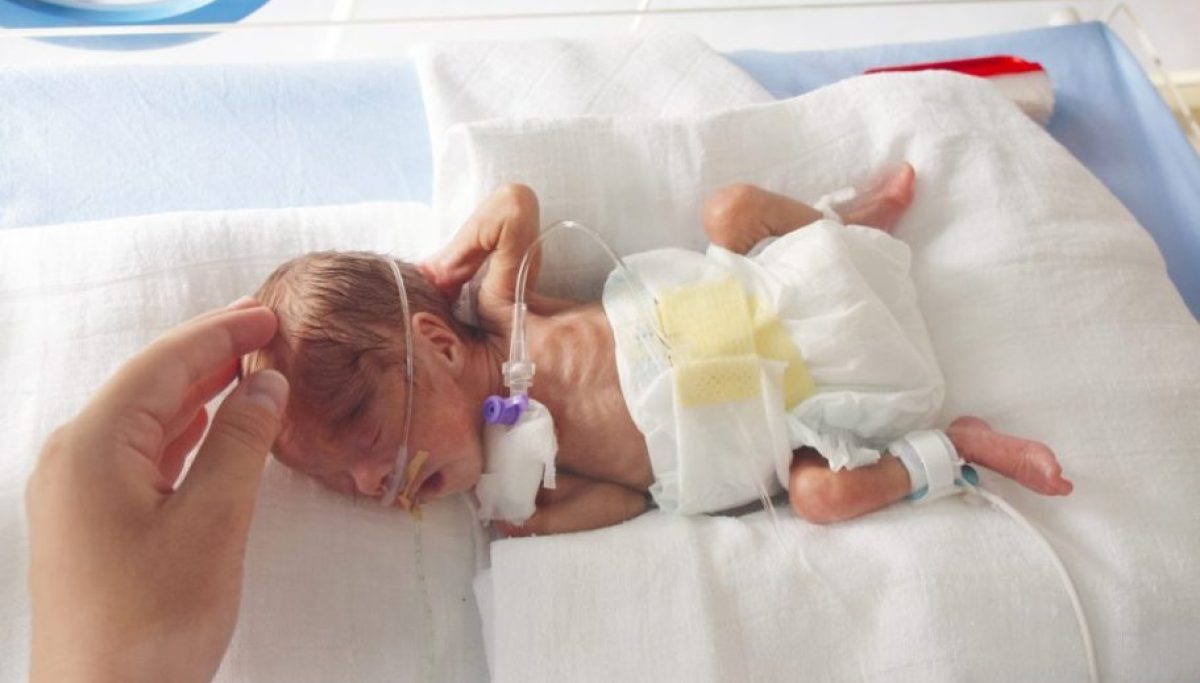
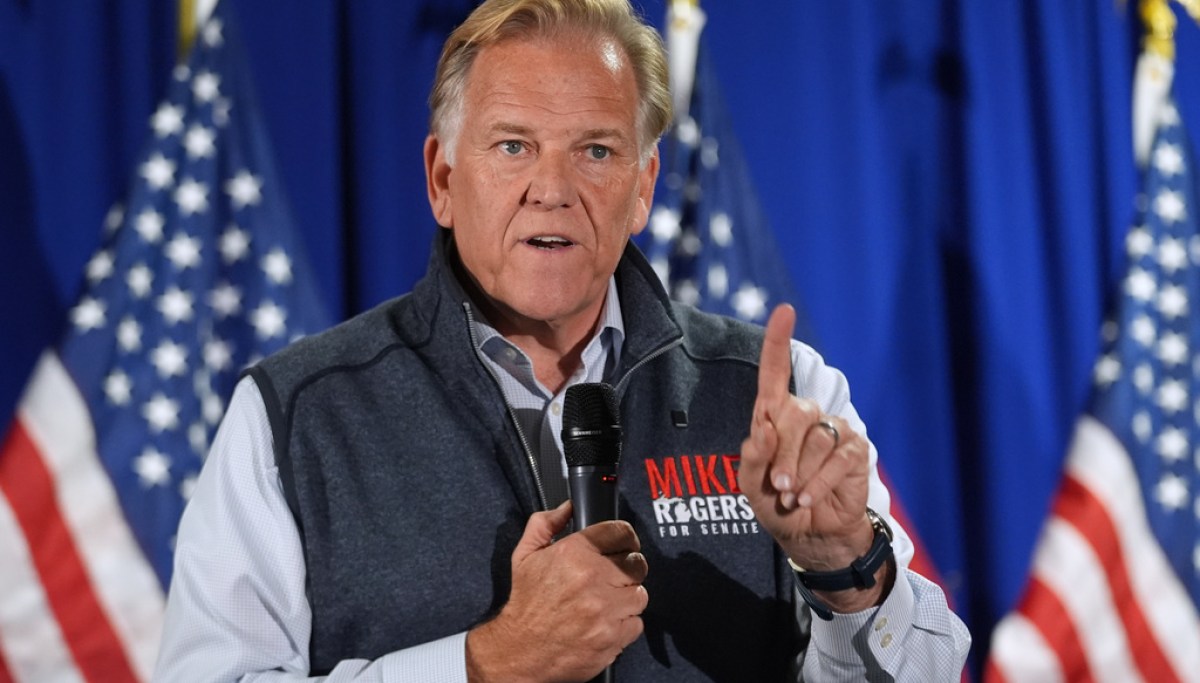
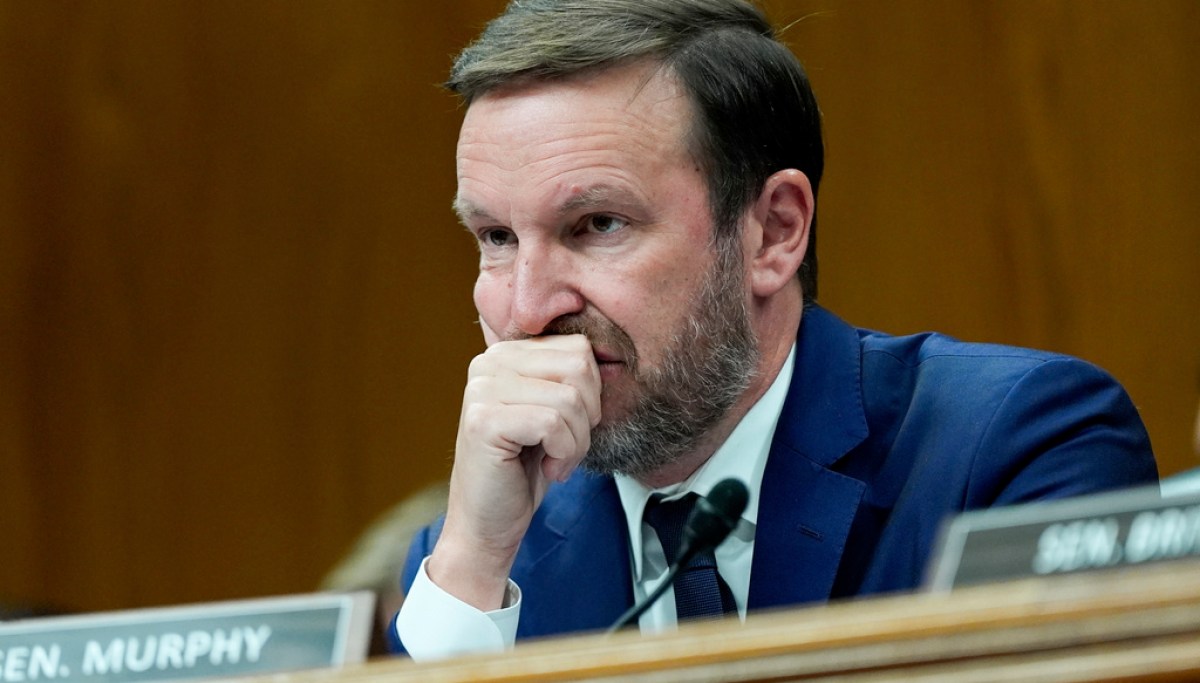
EXCLUSIVE — Congressional Republicans are ramping up pressure on the Trump administration to strengthen protections for infants born with disabilities following the heated custody battle between a California couple and their surrogate over a child born with a heart defect.
asserted
Republicans → ramp → defect
A total of 30 House members and nine senators from the anti-abortion wing of the GOP sent a letter, obtained by the Washington Examiner, to Health and Human Services Secretary Robert F. Kennedy Jr. on Thursday, requesting that the Trump administration create a federal standard for healthcare professionals to provide lifesaving care to infants born extremely premature or with life-limiting disabilities.
asserted
professionals → send → disabilities
The letter, principally authored by Rep. Chris Smith (R-NJ) and leadership in the House Pro-Life Caucus, highlights the case of Alaska resident McKenna West, who contracted to be a surrogate for Omar Ahmed and Nausheen Gilkar.
asserted
who → author → Ahmed
At her 20-week ultrasound, West was informed that the fetus had hypoplastic left heart syndrome, a congenital defect in which the left side of the heart is underdeveloped.
asserted
side → inform → heart
After the diagnosis, West traveled to Texas to secure life-saving care for the child upon birth, despite a directive from the biological parents to abort.
asserted
West → travel → parents
West delivered the child in Texas on Aug. 12, but the courts eventually ruled in favor of Ahmed and Gilkar taking full custody of the child to continue his care in California.
asserted
Ahmed → deliver → California
The congressional delegation highlighted the difference in Texas law, which encouraged life-saving interventions, and California law, which would only encourage palliative care, as indicative of the need for a federal standard.
“Leadership from the Department of Health and Human Services (HHS) is needed to ensure that all vulnerable infants receive equal protection under the law instead of being at the mercy of a health care system that may unjustly declare them unworthy of life,” the delegation wrote.
uncertain
delegation → highlight → life
In addition to the 30 Republican House members who signed onto the letter, four senators are seeking re-election in November: Sens. Cindy Hyde-Smith (R-MS), Darline Graham Nordone (R-SC), Cynthia Lummis (R-WY), and Pete Ricketts (R-NE).
asserted
senators → sign → November
Smith and his colleagues point to an executive order from President Donald Trump’s first term, in September 2020, as giving Kennedy the authority to “strengthen the protection available for vulnerable newborns and their parents.”
asserted
Smith → point → newborns
The Trump 1.0 executive order, which clarified that infants born with disabilities or in medical distress must be given stabilizing medical treatment under the Emergency Medical Treatment and Labor Act, or EMTALA, was not rescinded by former President Joe Biden.
asserted
infants → clarify → Biden
The executive order, and corresponding HHS guidance drafted a few months later, came after HHS had investigated several cases in which hospital staff did not provide potentially life-saving care to severely premature infants despite the parents’ request for intervention.
asserted
staff → draft → intervention
Although modern medical interventions have allowed extremely premature infants to be born alive as young as 21 weeks of pregnancy, these exceedingly rare cases often result in the child requiring long-term neonatal intensive care.
asserted
child → allow → care
Severe premature birth increases the child’s risk of developing chronic conditions like lung disease, cognitive impairment, and vision or hearing loss.
asserted
birth → increase → disease
The executive order’s corresponding proposed rule from the HHS Office of Civil Rights in January 2021, which was abandoned by the Biden administration, would have protected infants born premature or with significant disabilities and their parents from unlawful denials of emergency screening or stabilizing treatment.
asserted
which → correspond → screening
The proposed rule would have also prohibited healthcare providers from making life and death medical decisions based on the perceived value or worth of the patient’s life with a disability and prohibited providers from steering patients towards end-of-life care on the basis of disability.
asserted
rule → propose → disability
Revisiting the Trump 1.0 rule would not be the first time Kennedy and his team enforced an anti-abortion interpretation of EMTALA under the current administration.
asserted
Kennedy → revisit → administration
EMTALA was at the heart of the Biden administration’s lawsuit against Idaho over the state’s strict prohibition on abortion, in which the Justice Department argued that terminating a pregnancy can constitute stabilizing care for the mother under the law.
asserted
terminating → argue → law
The Supreme Court ruled in 2024 to allow emergency physicians to carry out abortion procedures in Idaho despite the state’s ban.
asserted
physicians → rule → ban
In early 2025, Trump’s HHS Office of Civil Rights swiftly replaced Biden’s guidance on abortion protocols under EMTALA with a more anti-abortion interpretation of the statute.
asserted
Office → replace → statute
Smith and his colleagues urged Kennedy to “evaluate and consider reissuing a rule” to standardize care for newborns with life-limiting conditions.
asserted
Smith → urge → conditions
“We are eager to work with you to ensure our nation values human life, provides equal justice under the law, and respects the rights of individuals with disabilities,” the delegation wrote.
asserted
delegation → work → disabilities
The Washington Examiner contacted HHS and the White House about the proposal.
asserted
Examiner → contact → proposal
 The Aporia