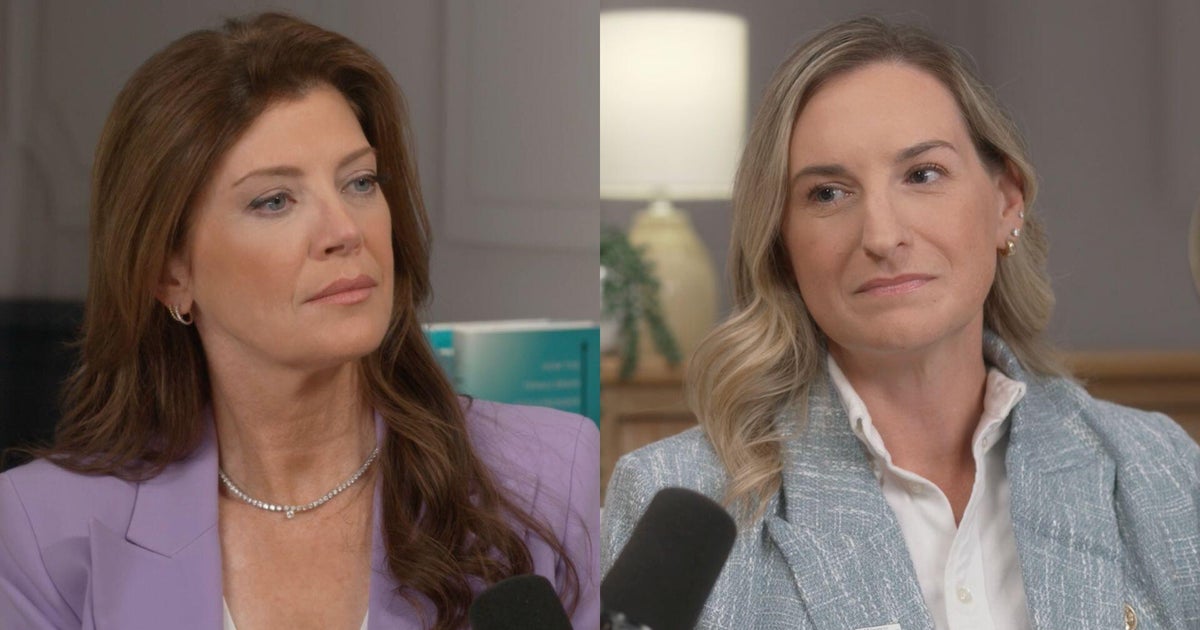
Researchers from Carleton University in Ottawa spoke in depth with 60 women aged 45 to 61 for a new book, “We Need to Talk About Menopause: Real Stories from Women’s Lived Experiences.”
asserted
We → speak → Experiences
Here’s what they found about their experiences discussing this issue in doctor’s offices.
asserted
they → ’ → offices
You’re likely to hear a number of complaints about everything from the difficulty of even getting a family doctor, to the 15 minutes that you’re allotted per appointment, to the feeling of not being listened to.
asserted
you → ’re → feeling
While there is still relatively little empirical data on the relationships of women with their doctors, there’s a lot of anecdotal evidence that, particularly if you are experiencing a “women’s disease,” you don’t get heard, so you don’t get adequate treatment.
asserted
you → be → treatment
Women’s conversations with their doctors about menopause are coloured by women’s general experiences with the medical field.
asserted
conversations → colour → field
In her book “Unwell Women” (2021), Elinor Cleghorn traces the history of women and their interactions with doctors.
asserted
Cleghorn → trace → doctors
She argues that “women’s pain is more likely to be seen as having an emotional or psychological cause, more than a biological one.”
asserted
pain → argue → one
Join Rani Sheen, Dr. Marjorie Dixon, Dr. Paula Rochon and Melissa Grelo for a conversation that goes beyond solving for hot flashes.
asserted
that → join → flashes
Join Rani Sheen, Dr. Marjorie Dixon, Dr. Paula Rochon and Melissa Grelo for a conversation that goes beyond solving for hot flashes.
asserted
that → join → flashes
She goes on to state that menopause remains “under researched, misunderstood and shrouded in myths and misconceptions.”
asserted
menopause → go → myths
She notes that symptoms of perimenopause, notably depression and anxiety, are frequently misdiagnosed because family physicians tend to focus on the stereotypical symptoms of hot flashes and night sweats, despite the evidence that there are many symptoms in perimenopause and there is no universal menopause experience that all women go through.
asserted
women → note → that
The limited research that exists reports a consistent pattern of women’s dissatisfaction with their doctors.
asserted
that → exist → doctors
Research from the mid 1990s reports women being dissatisfied by their physicians not understanding them and having their complaints dismissed as “women’s affairs” (Defey et al., 1996).
asserted
complaints → report → affairs
Hampson and Hibbard (1996) reported that women were particularly dissatisfied with their doctors with respect to menopause and symptom management.
asserted
women → report → menopause
Given that this research is 30 years old, we were interested in how women speak to their doctors about menopause and their doctors’ responses.
asserted
women → give → menopause
Was the situation getting better?
asserted
situation → get → ?
The women we interviewed had lots to say about their symptoms and their experience of the menopause transition.
asserted
we → interview → transition
But interestingly, they had much less to say about their conversations with their doctors, possibly because these conversations are infrequent.
uncertain
conversations → have → doctors
Why women don’t talk about menopause with their doctors
To our surprise, some of our participants, both in perimenopause and in menopause, had never discussed menopause with their doctors.
asserted
some → talk → doctors
They said: “I’ve never spoken to a doctor about it” (Natalie, 51) and “Nothing.
asserted
I → say → it
I’ve mentioned nothing about it” (Annick, 51).
asserted
I → mention → Annick
Some of the women said that they felt uncomfortable with a male doctor and didn’t want to talk to him about something this personal.
asserted
they → say → something
As Sunshine (54) said, “I haven’t really heard anything (about menopause).
asserted
I → say → menopause
I think I’d be more comfortable talking to a woman about it.”
asserted
I → think → it
Others never brought menopause up because they believed the doctor wasn’t going to mention it either.
asserted
doctor → bring → it
I suspect that doctors don’t offer a whole lot of information.
asserted
doctors → suspect → information
And if you want it, you’re going to have to ask for it.
asserted
you → want → it
Six Toronto women at various stages of perimenopause and menopause shared what they wish they knew before it began—and how they’re getting through it.
asserted
they → share → it
Six Toronto women at various stages of perimenopause and menopause shared what they wish they knew before it began—and how they’re getting through it.
asserted
they → share → it
We aren’t the only researchers who found this.
asserted
who → find → this
Merrill (2020) reported that women are more comfortable asking their mothers, sisters, and friends about menopause, rather than their doctors.
asserted
women → report → menopause
She theorized that this is related to decades of shame surrounding women’s bodies.
asserted
this → theorize → bodies
Dahlgren et al. (2023) tested this idea and found that 37% of women felt shame related to menopause symptoms and that “shame and stigma are commonly reported for concerns related to ‘women’s health.’”
asserted
shame → test → health
It occurs when other people make people feel bad for who they are.
asserted
they → occur → ?
Doctors may misinterpret shame as embarrassment.
uncertain
Doctors → misinterpret → embarrassment
Farhat and Henriksen (2021), in research published in the Proceedings of IMPRS from the Indiana University School of Medicine, summarized their interviews with 16 family medicine physician faculty and residents about what they perceived as barriers to conversations with their women patients about menopause.
asserted
they → publish → menopause
The doctors listed the top two barriers as patient embarrassment and cultural/religious norms and said that the reasons women felt like this was a lack of sexual education.
asserted
women → list → education
It is noteworthy that these researchers place the responsibility for the lack of communication about menopause primarily on women patients themselves.
asserted
researchers → place → patients
This framing of their findings overlooks the deeply ingrained cultural stereotypes about women’s bodies — particularly those surrounding menstruation and menopause — that view these natural biological processes as shameful or defective.
asserted
that → overlook → processes
Physicians, socialized within the same cultural narratives, may not even recognize how these biases influence their assumptions and clinical interactions.
uncertain
biases → socialize → assumptions
…and 26 more, not listed.
 The Aporia