The Aporia
Schmad, R. (2026, October 2). Trump’s first-year government overhaul delivers change Washington hasn’t seen since the 1960s. Fox News. https://www.foxnews.com/politics/trumps-first-year-government-overhaul-delivers-change-washington-hasnt-seen-since-1960s
Schmad, Robert. “Trump’s first-year government overhaul delivers change Washington hasn’t seen since the 1960s.” Fox News, 2 Oct. 2026, https://www.foxnews.com/politics/trumps-first-year-government-overhaul-delivers-change-washington-hasnt-seen-since-1960s.
Schmad, Robert. “Trump’s first-year government overhaul delivers change Washington hasn’t seen since the 1960s.” Fox News, October 2, 2026. https://www.foxnews.com/politics/trumps-first-year-government-overhaul-delivers-change-washington-hasnt-seen-since-1960s.
Dated when The Aporia collected the article, usually within hours of publication. Check the original for its exact date and byline.
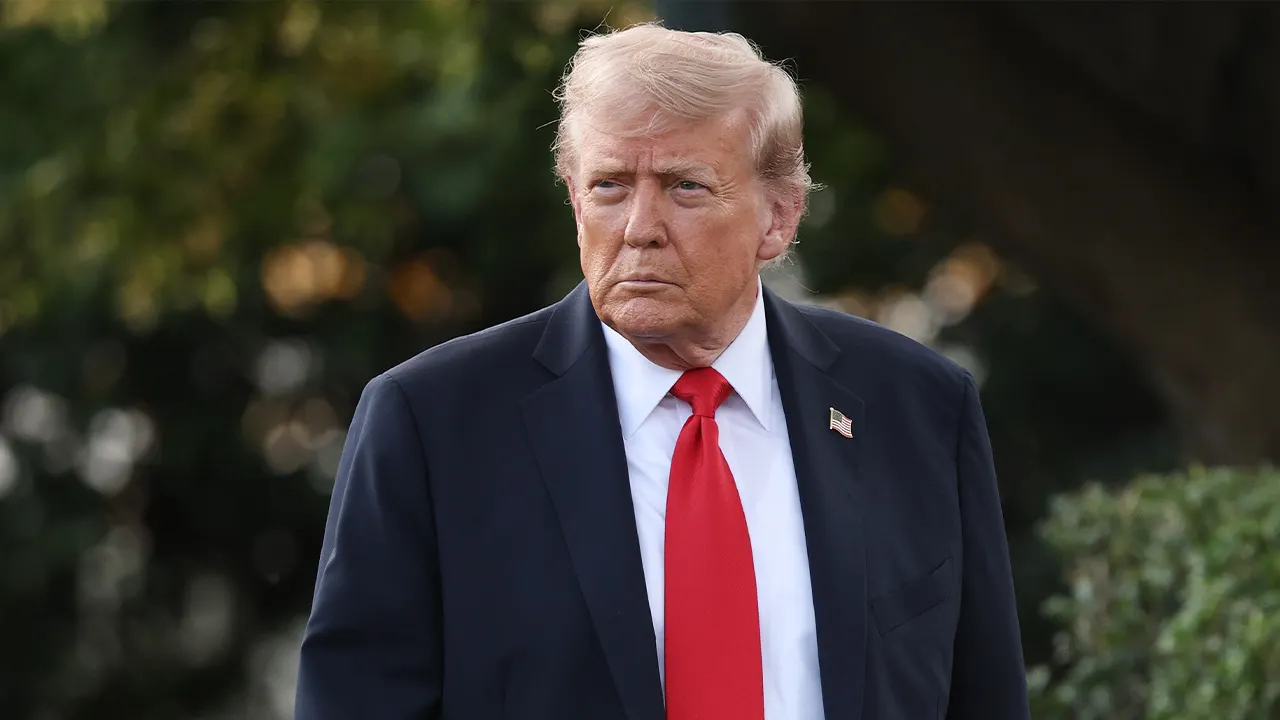
In January 2025, under President Trump's second term, the US federal workforce dropped to approximately 2.7 million employees, the lowest level in 60 years according to the Bureau of Labor Statistics (BLS). This reduction marks a decrease of over 300,000 jobs since Trump returned to office, shrinking the workforce by about 11%. The majority of these cuts occurred within the first year of his second term. Notably excluded from this count are active military personnel (about 1.35 million) and intelligence agency employees (100,000 more).
Trump's campaign promise to reduce government size was fulfilled by giving Elon Musk free rein under the Department of Government Efficiency (DOGE) to cut jobs. While these measures aimed at saving money, they also led to significant downsizing in key agencies like the IRS and State Department. For example, revenue from IRS examinations fell 35%, from about $10 billion to $6.5 billion within a year due to workforce reductions.
Democrats criticized these cuts as attempts to intimidate government employees, with some claiming they could plunge society into chaos. However, supporters argue that the reduction targets inefficient or unnecessary departments, such as the Consumer Financial Protection Bureau and USAID.