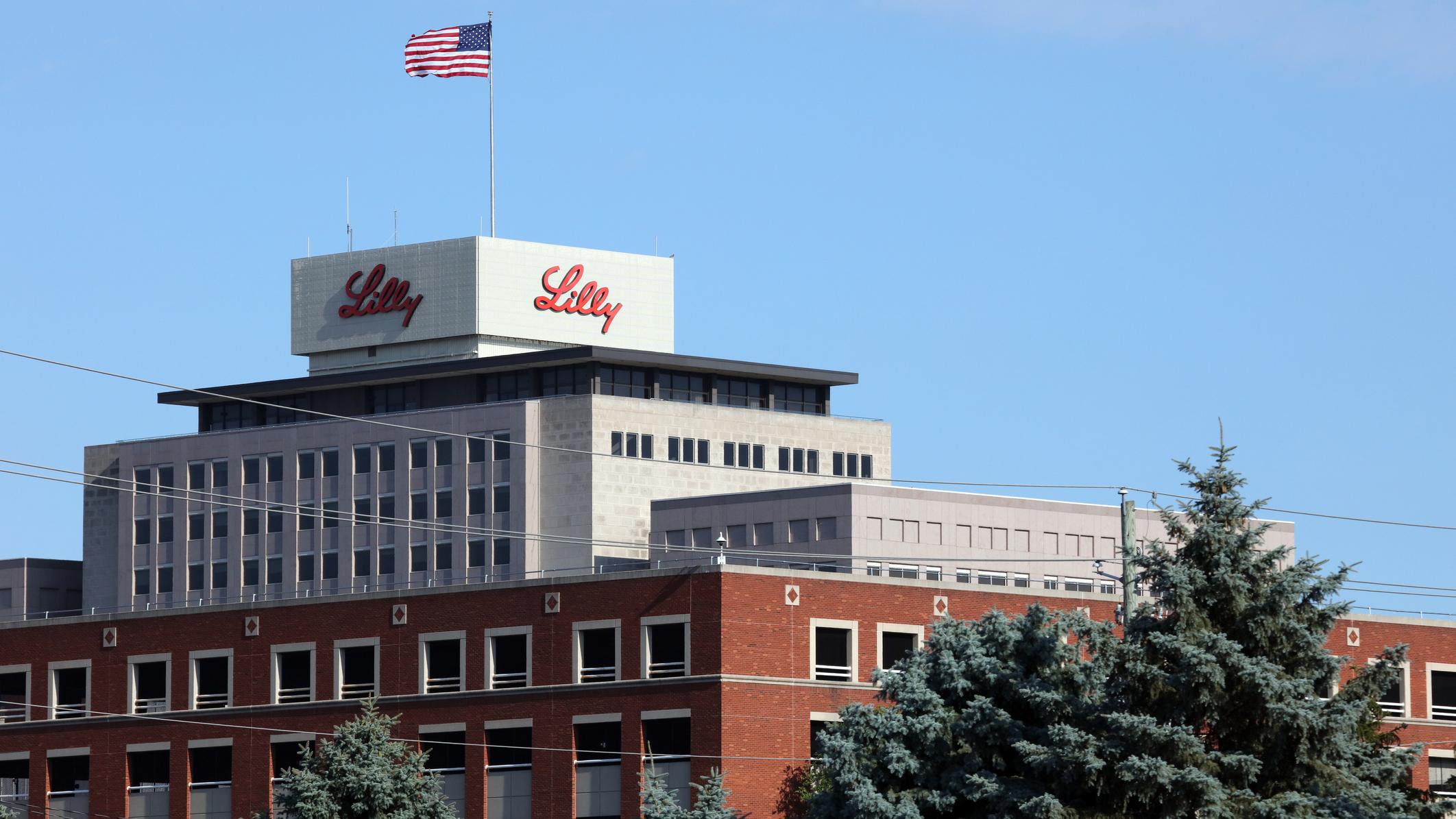
Photo via New York Post

New weight-loss drug could give you a ‘flatter stomach’ in mere weeks — and unlike Ozempic, it targets belly fat directly

Read the original at New York Post ↗
Cite

Yang, A. (2026, October 2). New weight-loss drug could give you a ‘flatter stomach’ in mere weeks — and unlike Ozempic, it targets belly fat directly. New York Post. https://nypost.com/2026/10/02/health/new-weight-loss-drug-targets-belly-fat-and-can-give-flatter-stomach-in-weeks/

Dated when The Aporia collected the article, usually within hours of publication. Check the original for its exact date and byline.

New York Post · collected 2026-10-02 · by Allie Yang

Quick Summary

A new weight-loss drug called CBL-514 has shown promise in clinical trials for reducing belly fat more directly than existing treatments like Ozempic. Unlike other drugs, CBL-514 targets and eliminates fat cells at the injection site without affecting lean muscle mass. Early phase 2 trials indicate that participants experienced a 10.45% reduction in visceral abdominal fat after eight weeks of treatment. This drug could offer a less invasive alternative to surgical procedures like liposuction for reducing subcutaneous fat, with potential long-term benefits for overall health by decreasing risks associated with visceral fat.
Written by AI on 2026-10-02, from this article's own text only (the story summary below draws on all the coverage).

AI analysis

Story summary

Caliway, a pharmaceutical company with advice from Dr. W. Timothy Garvey of the University of Alabama at Birmingham, is developing CBL-514, a new weight-loss drug that specifically targets fat cells in the stomach area. Unlike other drugs like Ozempic, which generally decrease overall body fat but may also reduce lean muscle mass, CBL-514 focuses on eliminating subcutaneous belly fat without significant loss of vital lean tissue. Early trials show promising results, with participants experiencing slimmer waistlines and a reduction in visceral fat, leading to improvements in health metrics such as blood pressure and cholesterol levels. Experts suggest that CBL-514 could potentially offer more sustained weight loss benefits compared to current GLP-1 drugs.

Written for “Weight Loss Drug For Belly Fat” on 2026-10-31, grounded in this article and the 0 other(s) covering the same event.

Story

📰 Weight Loss Drug For Belly Fat
Health · 1 article(s) covering the same event.

Compared with similar articles

This article reads unscored and hedges 16% of its claims. Each row says how that neighbour differs.
TIME
Hedges 19 of 132 claims Outlet record 59/100
“The articles discuss different topics within weight loss medication, one focusing on a new potential drug (CBL-514) and another discussing compounding pharmacies for GLP-1 drugs.”
TIME
Hedges 1 of 15 claims Outlet record 59/100
“The articles discuss different drugs and their effects, though both are related to weight-loss treatments.”
How this article was measured signals, leaning charts, publisher record, byline, topics and claims

Signals How these are calculated →

Claims extracted
25
sentences that state something as happening or true
Uncertain
16%
4 of 25 hedged ("reportedly", "may", "according to")
Leaning
not political
takes no side on a contested political question
Publisher signals
66/100
New York Post's corrections and hedging, across everything collected from it. Not a measure of accuracy.
Outlets on this story
1
Health
Same framing elsewhere
1
articles that frame the event the way this one does
Analyzed 2026-10-02 · how these are computed

How this is being covered How these are calculated →

Article leaning vs. publisher reliability
Source leaning vs. consistency

Publisher

New York Post · 15490 article(s) · 35 correction(s) detected
Running correction rate · 35 correction(s)

Who wrote this

Allie Yang
35 article(s) here · 1 carrying a prediction
🔮 However, they say those thresholds may be outdated — particularly for BPA, which they observed at relatively high levels.
🔮 The lump grew so large she “couldn’t even zip my jacket up …
🔮 If you need to go under the knife, a key tool to prepare could already be in your bedside table.
🔮 What researchers found USC researchers had a group of 365 fish-averse adults, 55 to 80 years old and at increased risk for Alzheimer’s, take fish oil daily to see if it would help them avoid cognitive decline over the course of two years.
🔮 Since 2018, an unbearable “shocking, throbbing pain” would course through her face at random, lasting from seconds to minutes each time. “When I got my shocks, it was all-in-one, everything hit me,” she told The Post.
🔮 His advice is for teens and folks of all ages: Keep a good nighttime routine and sleep hygiene — and your body will thank you.
🔮 That disruption may become permanent, and patients can lose the ability to walk on their own or move at all.
🔮 But Dr. Amy Novatt, an OB-GYN at the sexual wellness brand Dame, warns that this particularly freaky fetish should stay a daydream — because any real-life exploration could go catastrophically wrong.
🔮 While FAIR Health doesn’t provide possible reasons for why OUD diagnoses are rising, their findings may not be at odds at all with CDC data showing that addiction is down.
🔮 But it’s still too early to tell whether this year’s flu will be particularly severe.
Also by Allie Yang
Nothing else under this byline is closely related to this article, so these are simply their most recent.
All 35 articles by Allie Yang →

Topics

Caliway Ozempic University of Alabama at Birmingham

Subjects

Caliway ORG · 1× FDA ORG · 1× University of Alabama at Birmingham ORG · 1× W. Timothy Garvey PERSON · 1×

Narrative

“This is a highly innovative approach to obesity pharmacotherapy that has produced some remarkable results in early human trials,” said Dr W. Timothy Garvey, an advisor to Caliway, the drugmaker behind CBL-514, and a professor at University of Alabama at Birmingham.
framing: assertive · carried by 1 article(s) · first seen 2026-10-02
🔮 Could a new drug that makes fat cells self-destruct be the next big GLP-1?

Claims (25 extracted, 4 hedged)

Could a new drug that makes fat cells self-destruct be the next big GLP-1? uncertain
cells → make → ?
CBL-514 targets fat cells, and a new study shows that it was effective in slimming down participants’ waistlines. asserted
it → target → waistlines
Early data suggests it’s effective at keeping it off, too. uncertain
it → suggest → it
While GLP-1s mostly decrease fat, they also shed up to 25% vital lean mass. asserted
they → decrease → mass
And after stopping GLP-1s, people often regain two thirds of the weight they lost within a year. asserted
they → stop → year
“We expect that patients will be pleased by the cosmetic effects, such as the flatter stomach that can come with subcutaneous fat loss,” one author said. “ asserted
author → expect → loss
But it is the reduction in body weight, loss of visceral fat and the improvements in blood pressure, cholesterol and the like that should be associated with this that will be important for health.” asserted
that → associate → health
Some experts say CBL-514 could turn out to be “a more fundamental obesity therapy” than GLP-1 drugs like Ozempic. uncertain
CBL-514 → say → Ozempic
But rather than slowing digestion and decreasing our appetite like GLP-1s do, the new drug works more locally. asserted
drug → slow → appetite
It blocks a critical way for fat cells to survive, causing them to die off at the injection site — the belly. asserted
them → block → belly
New data from phase 2 clinical trials shows that the drug reduces subcutaneous fat (fat right below the skin) and visceral fat (fat deep inside the body that wraps around the organs). asserted
that → show → organs
Common surgeries that target subcutaneous fat like liposuction and abdominoplasty (aka a “tummy tuck”) are far more invasive, CBL-514 researchers say. asserted
researchers → target → liposuction
These surgeries also introduce risks far worse than an uneven cosmetic result, including infection, blood vessel blockages, or embolisms, and even an internal organ being punctured. asserted
surgeries → introduce → infection
CBL-514 works on both kinds of fat without the invasive surgery. asserted
CBL-514 → work → surgery
“This is a highly innovative approach to obesity pharmacotherapy that has produced some remarkable results in early human trials,” said Dr W. Timothy Garvey, an advisor to Caliway, the drugmaker behind CBL-514, and a professor at University of Alabama at Birmingham. asserted
Garvey → produce → Birmingham
What the latest data shows asserted
shows → show → What
In the latest trials, participants got a shot of CBL-514 every three weeks. asserted
participants → get → CBL-514
The number of shots they got depended on the thickness of their belly fat, which decreased as the drug’s effects took hold. asserted
effects → get → hold
After just four weeks, average visceral abdominal fat already decreased by 12%. asserted
fat → decrease → %
Researchers believe that once those fat cells are killed off, the ability for them to grow back is limited, making it difficult to regain the weight. asserted
it → believe → weight
Right now, CBL-514’s lasting effects after medication is stopped have only been shown in rats, and researchers are looking into whether the effect can be replicated in humans. asserted
effect → last → humans
Researchers are also exploring whether CBL-514 could work with a GLP-1 drug to help a patient stop taking it while reducing the risk of weight regain. uncertain
patient → explore → regain
Other than “mostly mild-to-moderate and transient” injection-site reactions, such as pain, swelling and redness, CBL-514 was generally well tolerated, researchers said. asserted
researchers → tolerate → pain
No serious adverse events were reported. asserted
events → report → ?
The drug is now entering phase 3 drug trials, the final stage before FDA approval. asserted
drug → enter → approval

💬Give feedback
🕘History 🎫Support