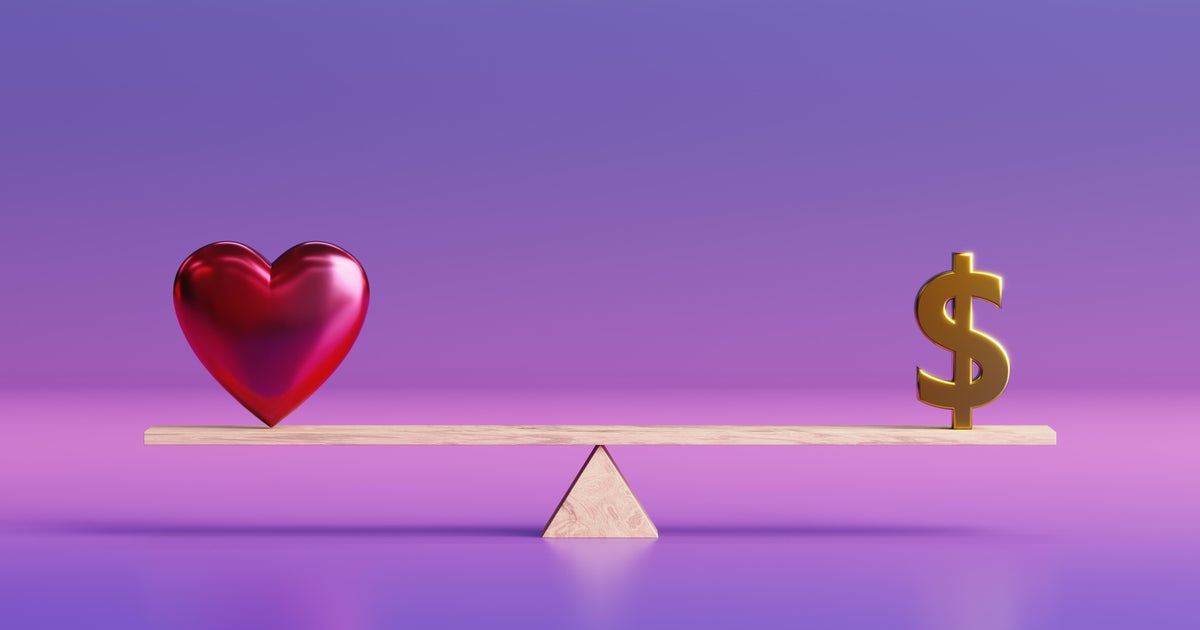
Money famously can't buy you love, but be prepared to pay up for those Valentine's Day flowers or chocolates this year.
asserted
Money → buy → flowers
The average consumer is expected to spend roughly $200 — an all-time high and up from $188.81 last year — on the annual day of romance, according to the National Retail Federation.
uncertain
consumer → expect → Federation
Virtually every Valentine's Day staple has gotten significantly more expensive in recent years.
asserted
staple → get → years
Since 2021, prices across related gift categories have seen double-digit inflation, with chocolate costs surging more than 70%, according to federal economic data.
uncertain
costs → see → data
Prices for 32 popular Valentine's Day chocolate products rose from last year, a recent LendingTree report said, a sign that elevated inflation continues to affect consumers.
asserted
inflation → rise → consumers
Although global cocoa costs have dropped, "retail prices are still sticky," David Branch, an agriculture expert at Wells Fargo, told CBS News.
asserted
Branch → drop → News
"That's because for most candymakers, there's a lag between when they have to purchase the cocoa beans as raw material, to when they actually produce the product.
asserted
they → be → product
"
To save money — wait
Christopher Taylor, who owns Li-Lac Chocolates in New York City, said his company has felt the sting of higher chocolate prices, but made a conscious decision two years ago not to increase prices for customers.
asserted
company → save → customers
We barely broke even," said Taylor, noting the impact of steeper U.S. tariffs on his business's costs.
asserted
Taylor → break → costs
"If we hadn't locked in those prices, we would have lost a serious amount of money.
asserted
we → lock → money
I just did not detect a customer appetite for higher prices."
asserted
I → detect → prices
One tip Taylor offers for consumers looking to save a few bucks and who have some flexibility on Valentine's Day gift-giving: "After the holiday, everything goes down by 50%."
asserted
everything → offer → %
Dahlia Graham, who owns Fruition Chocolate Works in New York, said her bean-to-bar operation had to shift its purchasing strategies as cocoa prices soared between 2022 and 2024.
asserted
prices → own → 2022
We had to adjust the timing and quantity of our purchases, as well as consider swapping out certain cocoa bean selections for others," she said.
asserted
she → have → others
Graham doesn't expect to cut her store's prices anytime soon, pointing to higher labor, packaging and other costs.
asserted
Graham → expect → labor
Roughly 80% of all cut flowers sold in the U.S. are imported and subject to steeper U.S. levies, with the vast majority coming from Colombia, Ecuador and other countries in South America.
asserted
majority → cut → America
Tariffs also affect packaging materials like vases, wrapping and ribbons, which mainly come from China.
asserted
which → affect → China
Domestic flower growers aren't faring much better, as freezing temperatures in early 2026, particularly in the South, have damaged crops and impacted availability.
asserted
temperatures → fare → availability
Bill Anastasakis, the owner of New York Plaza Florist in Manhattan, said roses tend to be the most expensive flower on Valentine's Day because of strong consumer demand.
asserted
roses → say → demand
To save money, he suggests opting for other flowers.
uncertain
he → save → flowers
"Roses, and especially red roses, are going to be the most expensive.
asserted
Roses → go → ?
Red tulips are cheaper — one-third the price," he said.
asserted
he → say → ?
Another favorite Valentine's Day gift — jewelry — has seen the highest price jumps.
asserted
gift → see → jumps
That's largely because of the skyrocketing cost of precious metals, with gold prices spiking more than 50% last year and now topping $5,000 an ounce.
asserted
prices → skyrocket → 5,000
Still, love often manages to find a way, even if it costs more.
asserted
it → manage → more
Shoppers are expected to spend a total of $7 billion on jewelry, according to the National Retail Federation.
uncertain
Shoppers → expect → Federation
That's up 8% from last year, making it the category where consumers will spend the most for Valentine's Day.
asserted
consumers → make → Day
 The Aporia