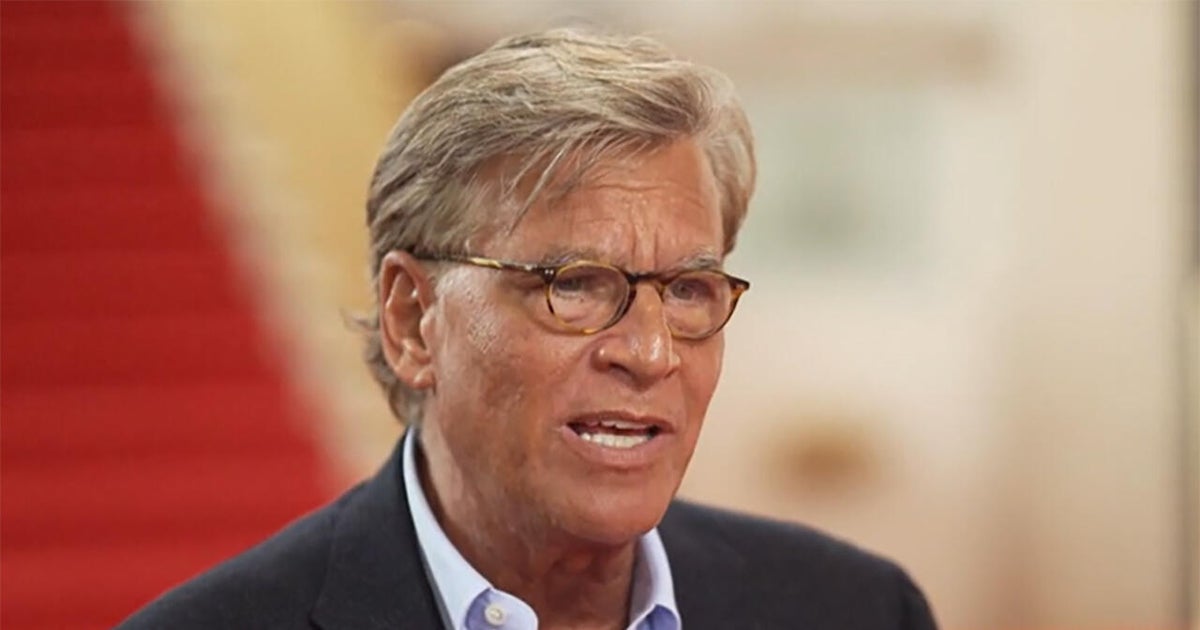
Aaron Sorkin has, for the last quarter-century, dramatised the institutions at the centre of American society.
asserted
Sorkin → dramatise → society
From his first play, A Few Good Men, in 1989, which he then adapted into the blockbuster movie (and is now bringing back to Broadway), to The West Wing, The American President, The Newsroom and beyond, Sorkin has created work that in many ways has shaped our understanding of how politics, the media and the military work in the US.
asserted
politics → adapt → US
Sorkin’s script for the 2010 film The Social Network not only won Sorkin an Oscar for best-adapted screenplay, but became the defining story of how Mark Zuckerberg created Facebook, even if it wasn’t all exactly true.
asserted
it → win → Facebook
Now Sorkin has returned to Facebook with The Social Reckoning, which opens in Australia on October 8.
asserted
which → return → October
It focuses on the real-life Facebook product manager and whistle-blower Frances Haugen, who leaked thousands of internal documents to The Wall Street Journal reporter Jeff Horwitz, showing that the company knew its platforms were having a number of negative effects and resisted doing anything to address them.
asserted
platforms → focus → them
This impulse to romanticise is something Sorkin is often dinged for, and on the two occasions we spoke – once before Meta settled a landmark lawsuit about harms its social media platforms cause teenagers, and once after – he defended and explained his trademark uplift to me in ways that surprised us both.
asserted
that → romanticise → us
Andrew Breitbart, the founder of the right-wing website Breitbart News, would often say that politics is downstream from culture – essentially that Hollywood has more sway over our politics than Washington does.
asserted
Washington → say → politics
How do you view your role in that equation?
asserted
you → view → equation
It’s not a political agenda.
asserted
It → ’ → ?
Before a movie can be anything else – before it can be thought-provoking or relevant – it has to be good.
asserted
it → provoke → ?
It has to work as something that you watch while you’re eating popcorn.
asserted
you → have → popcorn
That’s what I’m thinking about while I’m writing.
asserted
I → ’ → what
Beyond that, I write idealistically and romantically.
asserted
I → write → that
I find that these areas – government, the news, journalists – are where the stories are that really suit the way I like to write.
asserted
I → find → way
I want to talk about how that view fits into your new movie, The Social Reckoning.
asserted
view → want → movie
In 2022, you told The Guardian: “I very much doubt that I or anyone else is going to write a sequel to The Social Network.”
asserted
I → tell → Network
What changed your mind?
asserted
What → change → mind
First, I’m not really sure you can call this a sequel.
asserted
you → ’m → this
This is another movie about Facebook, written by the same writer who wrote The Social Network.
asserted
who → write → Network
And one of the characters from The Social Network is in this as well, but played by a different actor.
asserted
one → play → actor
It’s as if the character of Henry Hill [from Goodfellas] showed up in Casino.
asserted
character → ’ → Casino
To answer your question, there were two reasons in 2022 I said that.
asserted
I → answer → that
I just didn’t want to be the writer of Jaws 2.
asserted
I → want → Jaws
But mostly I just couldn’t find the story.
asserted
I → find → story
I couldn’t find the movie part of what they were talking about, until I started learning about Frances Haugen and Jeff Horwitz and what they uncovered.
asserted
they → find → what
I went back and watched The Social Network again.
asserted
I → go → Network
This came out in 2010, the height of tech optimism, when we were still happily connecting with our high school friends and former sweethearts.
asserted
we → come → friends
What did you see that the rest of us didn’t?
asserted
rest → see → us
What I remember is thinking that here’s an interesting story: that this very successful social network is being built by an extraordinarily antisocial guy.
asserted
network → remember → guy
That this person who was uncomfortable in the social structure of college, the way many of us are, invented his own social structure that he couldn’t be shut out of.
asserted
he → invent → structure
You’ve been asked before about your responsibility to be fair to people when you’re writing stories that involve real-life characters, and you’ve said you’re making a painting and not a photograph.
asserted
you → ask → painting
But looking back, some of the details you changed are pretty big.
asserted
you → look → details
That idea of this antisocial person creating this social network – Zuckerberg was dating his now-wife, Priscilla Chan, at the time.
asserted
Zuckerberg → create → time
So it wasn’t exactly true, but it’s become the origin story that everyone understands about Facebook now.
asserted
everyone → become → Facebook
Whether Mark was dating Priscilla Chan at the time or not, I honestly don’t know.
asserted
I → date → time
In all of the research, her name never came up, but I
asserted
name → come → research
think broadly speaking, your question is: “What am I willing to fictionalise when I’m telling the story of a real person who’s still living?”
asserted
who → think → person
Right, because it is the way so many people understand things.
asserted
people → understand → things
I would never defame someone.
asserted
I → defame → someone
By the way, I could never defame someone.
uncertain
I → defame → someone
…and 120 more, not listed.
 The Aporia