London sent more than three million tonnes of soil excavated during construction of the Elizabeth line to an Essex island, where it was used to raise the ground and create new coastal wetlands.
asserted
it → send → wetlands
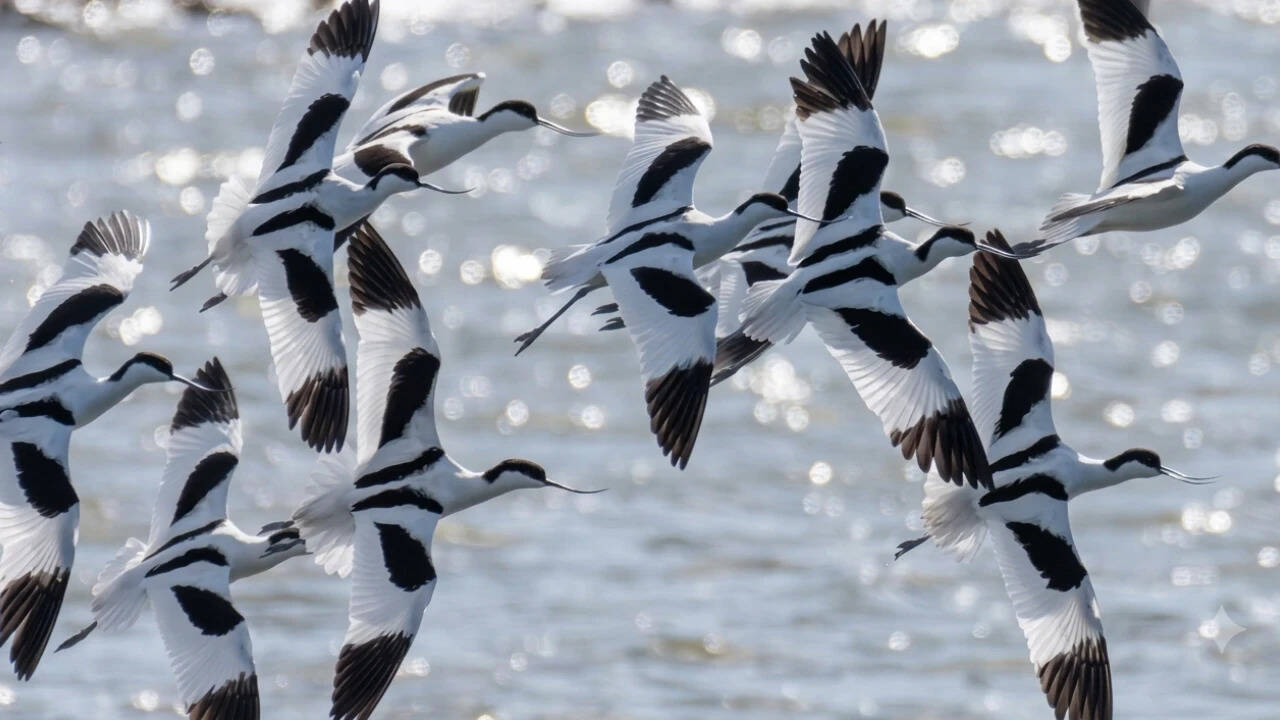
Ten years after seawall sections were removed to allow the sea back onto Wallasea Island, the RSPB reserve has recorded nearly 40,000 birds wintering there, including thousands of Knot, Avocets, Grey Plovers and Bar-tailed Godwits.
asserted
reserve → remove → Knot
The site, known as Jubilee Marsh, is part of the RSPB’s Wallasea Island nature reserve in Essex.
asserted
site → know → Essex
According to the Society, the land had been separated from the sea for hundreds of years before the RSPB began work to restore the island as a nature haven.
uncertain
RSPB → accord → haven
The project later became linked to the construction of London’s Elizabeth line through a collaboration with Transport for London (TfL) as part of the Crossrail project.
asserted
project → link → project
Instead of treating the soil removed during the railway’s construction as waste, more than three million tonnes of excavated material were transported from London to Wallasea Island.
asserted
tonnes → treat → Island
The soil was used to lift the ground and form wetlands designed to provide feeding, nesting and refuelling areas for birds.
asserted
soil → use → birds
The work helped create the physical landscape that would later become Jubilee Marsh.
asserted
that → create → landscape
The next major change came in July 2015, when sections of the seawall were removed.
asserted
sections → come → seawall
This allowed seawater to return to Wallasea Island for the first time in 400 years.
asserted
seawater → allow → years
As the sea moved across the newly created areas, it formed lagoons, saltmarshes and new islands.
asserted
it → move → lagoons
The RSPB said the rewetting of the island also provides natural flood defences because the wetlands can help absorb storm surges and rising water levels.
asserted
wetlands → say → surges
Nearly 40,000 birds recorded
A decade after the seawalls were breached, the difference in bird numbers is now clear.
asserted
difference → record → numbers
The reserve recorded a new wintering bird record of 39,000 birds last winter.
asserted
reserve → record → birds
The RSPB said the site, which once had only a handful of birds, now attracts nearly 800 Avocets and more than 10,000 Knot.
asserted
which → say → Avocets
It also recorded nearly 3,000 Grey Plovers and Bar-tailed Godwits.
asserted
It → record → Plovers
The increase has come as the restored landscape has developed into a place where birds can feed, shelter and use the wetlands during their seasonal movements.
asserted
birds → come → movements
The new habitats created at Jubilee Marsh include lagoons and saltmarshes, along with the islands formed after seawater was allowed to return.
asserted
seawater → create → islands
The RSPB described Wallasea Island as an example of how a major infrastructure project can be connected with habitat restoration.
asserted
project → describe → restoration
The organisation said the soil from the Elizabeth line excavation was used to create wetlands rather than becoming a large amount of waste material.
asserted
soil → say → material
Making of a nature reserve
Rachael Fancy, Wallasea Island Site Manager, said the area looked very different when she first started working there.
asserted
she → say → reserve
“When I first started working at Wallasea Island it looked an awful lot like a construction site, because that’s what it was!
asserted
it → start → site
There’s just thousands and thousands of birds who now use it as a refuge, shelter, and nursery to their chicks.
asserted
who → ’ → chicks
It’s an almost unbelievable transformation,” she said.
asserted
she → ’ → ?
Her description reflects the physical change at the site since the construction and restoration work began.
asserted
work → reflect → site
The land that once held excavated material and construction activity has developed into a wetland used by large numbers of birds.
asserted
that → hold → birds
Milo Sumner, RSPB England Coastal Programmes Manager, said the project showed what could be achieved when infrastructure work was carried out alongside nature restoration.
uncertain
work → say → restoration
“Wallasea shows what’s possible when business has an ethos of working with and alongside nature.
asserted
business → show → nature
The creation of the Elizabeth line was one of the most ambitious infrastructure projects in decades, and by collaborating we were able to create a win for nature and people from what would otherwise have been a huge pile of wasted soil,” he said.
asserted
he → collaborate → soil
Wetlands provide flood defence
asserted
Wetlands → provide → defence
The return of seawater was not only intended to create habitats for wildlife.
asserted
return → intend → wildlife
The RSPB said rewetting Wallasea Island also provides a natural form of flood defence.
asserted
rewetting → say → defence
The wetlands can help absorb storm surges and rising water levels.
asserted
wetlands → help → surges
The new landscape includes saltmarshes, lagoons and islands, all created as part of the restoration work after the seawalls were breached.
asserted
seawalls → include → work
The RSPB said these wetlands are important enough for wildlife to be included on the UK’s Tentative List for UNESCO World Heritage status.
asserted
wildlife → say → status
If selected, sites stretching from the Thames Estuary to Lincolnshire would be considered alongside internationally recognised locations such as the Galapagos Islands and the Great Barrier Reef.
asserted
sites → select → Islands
TfL links railway project with wetlands
The project brought together the construction of a major railway line in London and the restoration of a coastal landscape in Essex.
asserted
project → link → Essex
Isabel Coman, Director of Engineering and Asset Strategy at TfL, said the bird numbers showed the result of the collaboration.
“
asserted
numbers → say → collaboration
It’s amazing that record numbers of birds are now thriving at RSPB Wallasea.
asserted
numbers → ’ → Wallasea
Through the creation of the Elizabeth line, now the UK’s single busiest railway service, we’ve also been able to make a lasting, positive contribution to England’s east coast wetlands, which are a vital habitat for wildlife.”
asserted
which → make → wildlife
…and 1 more, not listed.
 The Aporia