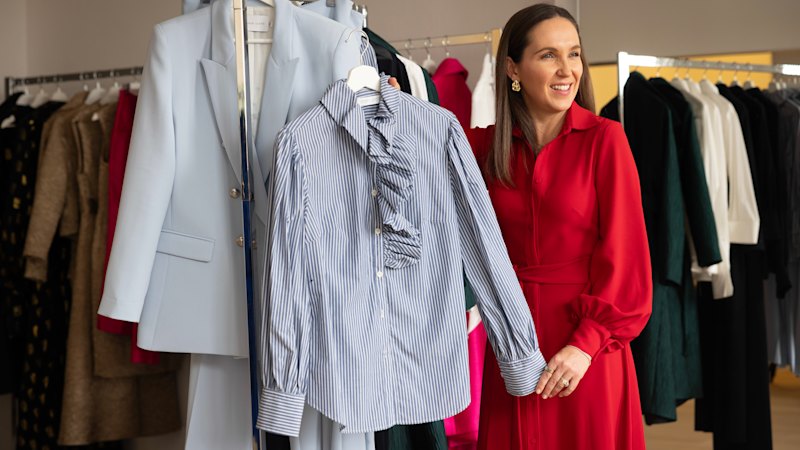
Most of her clientele are professional women looking to fill their wardrobe with versatile, polished pieces that work just as well in a boardroom meeting as they do on the weekend with a pair of slick jeans.
asserted
they → look → jeans
Lately, she’s been hearing many of them say the same thing: “I used to know exactly where to shop, but now I don’t know where to go.”
asserted
I → hear → thing
“There is a significant group of established professional women who feel caught between very youthful fashion, activewear, generic casual clothing and expensive designer labels,” says Stewart.
asserted
Stewart → be → fashion
Shoppers have never had better access to a diverse universe of options across which to spread their attention and their dollars.
asserted
Shoppers → have → attention
At any hour of the day, from bed, on the train, or at work, we are buying things from all around the world.
asserted
we → buy → world
Even as the nation buys $11.6 billion of fashion and apparel online, according to Australia Post’s latest e-commerce report, stiff competition has delivered a changing of the guard in our shopping strips as stalwarts pull up stumps, leaving many shoppers adrift.
uncertain
stalwarts → buy → shoppers
Cue and Veronika Maine’s descent into administration and receivership last month signalled that two titans of corporate womenswear had passed their heyday, joining a burgeoning list of well-known fashion retailers or brands that no longer exist in their original form.
asserted
that → signal → form
Every end of the market has been bruised, from runway designers Alice McCall and Dion Lee to Mosaic Brands, which operated budget retailers Katies, Rivers, Noni B, Millers and others before collapsing, resulting in nearly 3000 jobs lost and over 700 stores shut.
asserted
stores → bruise → jobs
Other brands (Alannah Hill, Gorman) have suffered after founders divorced their businesses.
asserted
founders → suffer → businesses
And private equity hasn’t always been a saviour either; Seafolly, once Australia’s most successful swimwear brand, collapsed soon after COVID struck.
asserted
COVID → collapse → ?
It was then rescued by LVMH-backed private equity firm L Catterton, but subsequently sold in 2023 to a private investment group.
asserted
It → rescue → group
Boho label Tigerlily collapsed twice, first in 2020, and then a second time before it was acquired by rival Seafolly in 2024.
asserted
it → collapse → 2024
Jeanswest, which opened in Perth in 1972 and had nearly 150 stores at one point, was sold to a Hong Kong company in 2020, shut all stores in early 2025, and has been caught posting ‘AI slop’ ads.
asserted
which → open → ads
Strained household budgets have shifted people towards affordable alternatives or splurging on investment pieces.
asserted
budgets → shift → pieces
Even the luxury market, usually fairly resilient to economic downturns, has not been immune; luxury department store Harrolds collapsed in 2024 with debts of more than $16 million.
asserted
Harrolds → collapse → million
“Big logo” brands Chanel, Tiffany & Co and Giorgio Armani’s sales have declined in Australia, as younger, aspirational shoppers find and flaunt street cred by scouring vintage marketplaces and second-hand resellers like Depop and Vinted.
asserted
shoppers → decline → Depop
Pushing customers towards the ultra-budget end of the spectrum are overseas juggernauts Shein and Temu, which have captured a combined 8 million Australian shoppers by generating thousands of new outfits a day through artificial intelligence-powered, trend-identifying algorithms.
asserted
which → push → algorithms
For designer labels, boutique chain Incu has become a destination for younger shoppers hunting the latest drops from the likes of A.P.C., Maison Kitsune and Maison Margiela.
asserted
Incu → become → A.P.C.
It’s a common refrain in the retail industry to hear “the middle market is dead”, but some industry experts don’t think this take is nuanced enough.
asserted
take → ’ → industry
Holding up mid-market fashion are major chains Zara, Cotton On, Kmart and Uniqlo, which has become a wardrobe staple for its high-quality but affordable minimalist everyday essentials.
asserted
which → hold → essentials
“The generic middle is in trouble,” says Stewart.
asserted
Stewart → say → trouble
“It has become a much harder place to be undifferentiated,” says fashion consultant and strategist Elizabeth Formosa.
asserted
Formosa → become → ?
The evolution of Australia’s fashion industry isn’t about old versus new brands, she argues; it’s about brands that have and haven’t kept up.
asserted
that → argue → brands
Formosa points to Zimmermann and Scanlan Theodore as examples of brands that have been around for decades and are still building a global reputation.
asserted
that → point → reputation
Fashion businesses, inherently transient and linked to trends, can be remarkably adept at projecting an image of success while masking a very different reality.
asserted
businesses → link → reality
“Revenue, visibility and desirability don’t necessarily equal a healthy business.
asserted
Revenue → equal → business
You still need the fundamentals underneath it – margin, inventory productivity, cash flow, channel profitability, disciplined buying, effective marketing investment and a clear strategy for profitable growth,” Formosa says.
asserted
Formosa → need → growth
Operating costs (fuel and transport, electricity, wages, manufacturing) have soared.
asserted
costs → operate → ?
Retailers, old and new, tied to expensive store leases – 134-year-old shoe brand Betts and luxury activewear brand Stax among them – can find those overheads to be a noose around their necks.
asserted
overheads → tie → necks
“With leasing costs, you’re committed for a period of time. It’s not easy just to turn off that fixed-cost element of retail, particularly when you’ve opened a lot of stores,” says KPMG restructuring and insolvency leader Gayle Dickerson.
asserted
Dickerson → commit → stores
And having a brilliant designer at the helm doesn’t necessarily translate to a commercially sound business.
asserted
having → have → business
“You’ve got to be really, really tight on discipline and spend controls and have that capability.
asserted
You → get → capability
And I think that’s harder in some of those smaller fashion businesses,” Dickerson says.
asserted
Dickerson → think → businesses
“I do generally think that it is really important that you have someone there to challenge the amazing creative-led founder who wants to do all these at once.”
asserted
who → think → these
Owning the brand
While mounting overheads create the financial pressure, says Stewart, it’s losing sight of your customer that can force a business to buckle.
asserted
that → own → business
There is a line from a university lecturer from Stewart’s time studying styling in Milan that has stuck with her: fashion comes from the streets and from the people.
asserted
fashion → be → people
“The brands that connect with customers pay attention to how people actually want to dress, and listen to their customers while staying true to their own point of view,” she says.
asserted
she → connect → view
“The Australian woman hasn’t lost interest in fashion.
asserted
woman → lose → fashion
She has become less loyal to brands that no longer understand her, and she now has far more places to go when they don’t.”
asserted
they → become → places
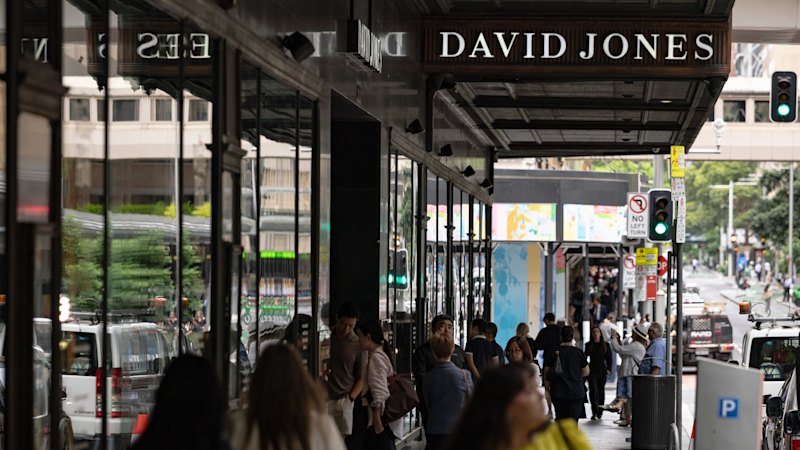
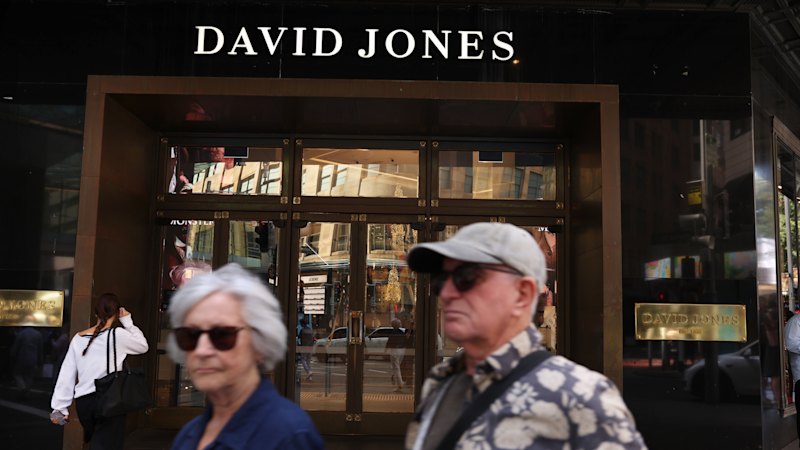
Department stores around the globe are being forced to rethink their business models, while facing greater pressure to reinvest in the store and customer experience.
asserted
stores → force → store
…and 47 more, not listed.
 The Aporia