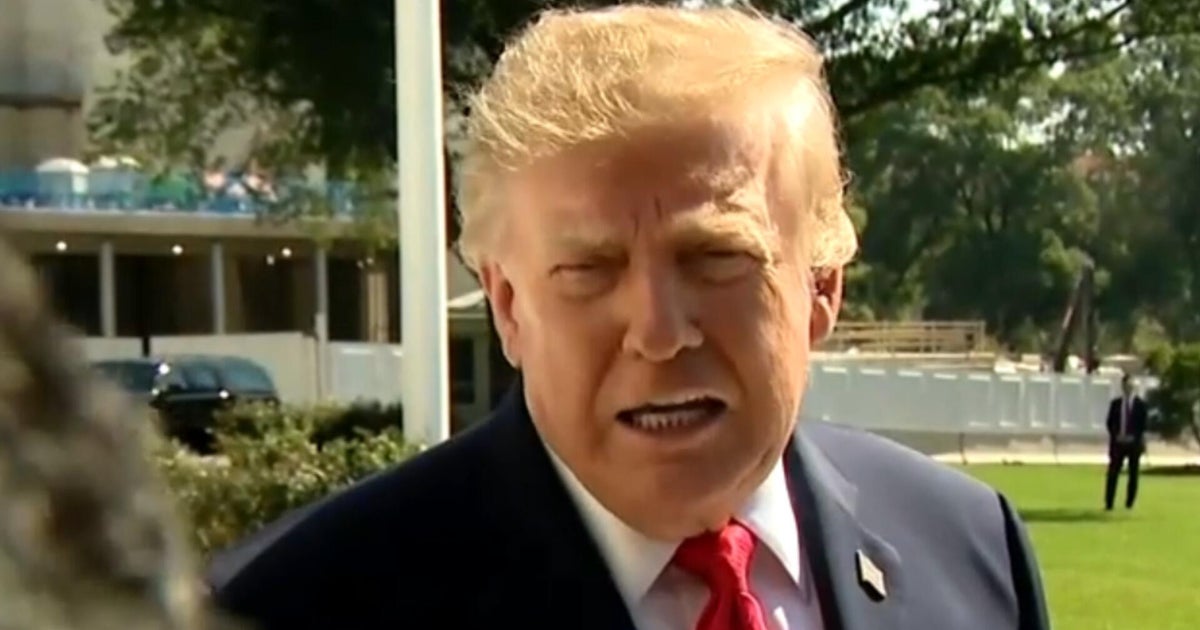
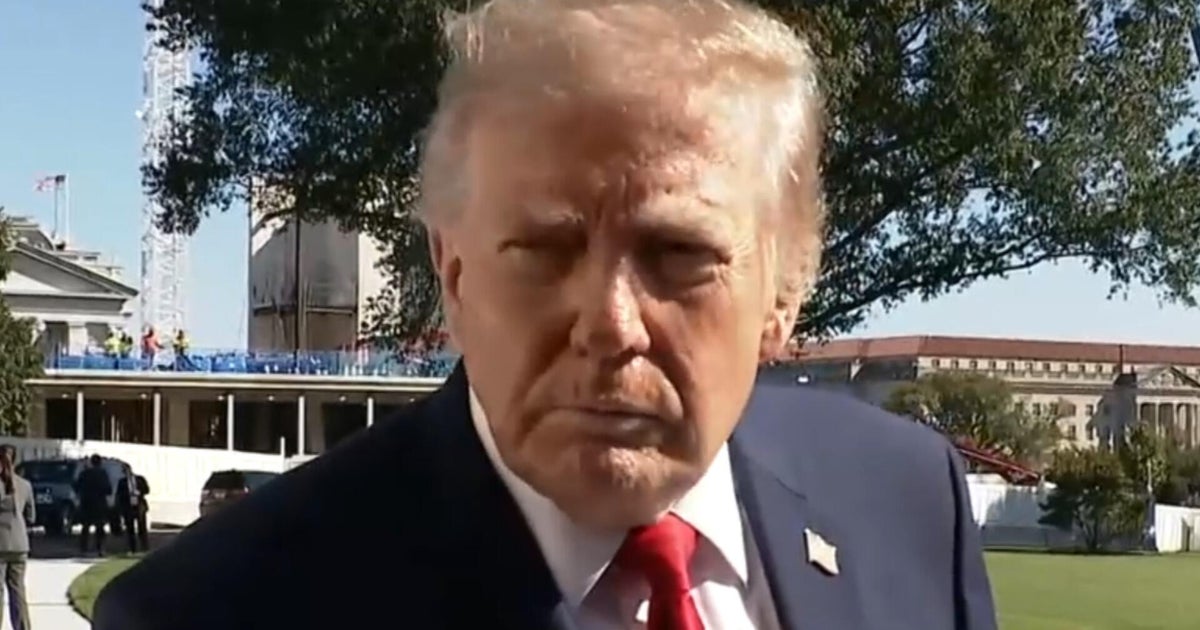
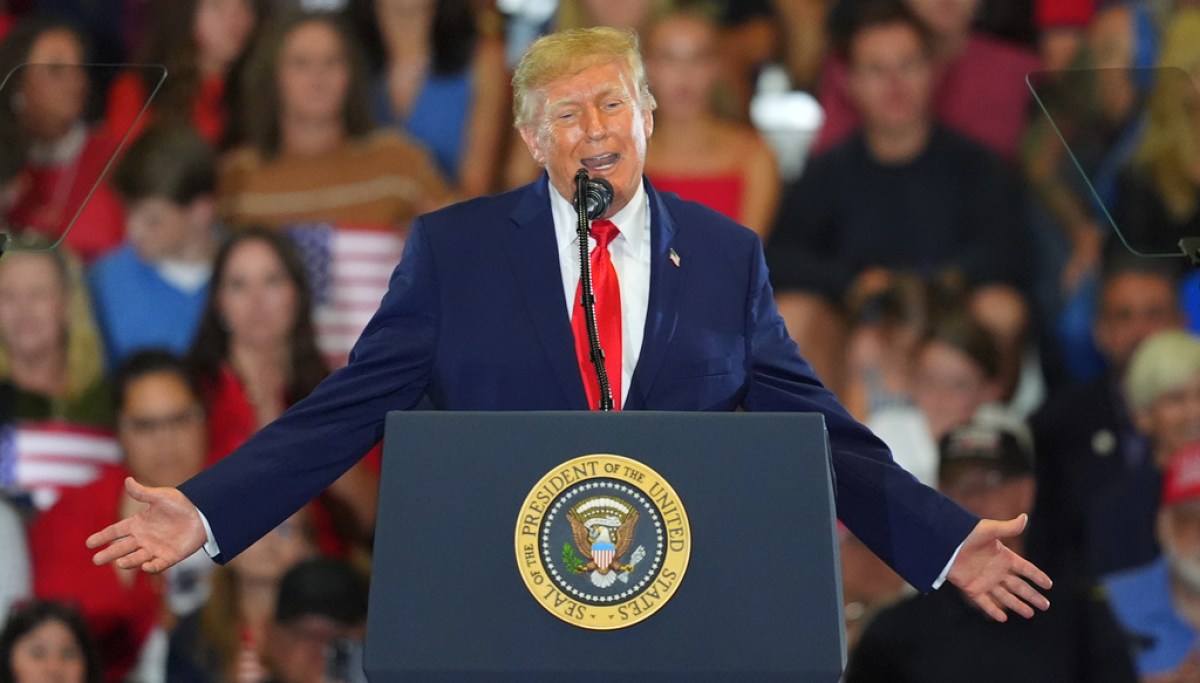
Trump held a campaign rally tonight in Mobile, Alabama, the city where, as Shawn McCreesh of the New York Times recalled, his MAGA rallies really took off in August 2015, when more than 30,000 people showed up at a football stadium to hear the television personality turned presidential candidate.
asserted
people → hold → personality
Just two months before, on June 16, 2015, Trump had announced his campaign for the presidency.
asserted
Trump → announce → presidency
In his speech at Trump Tower, he tapped into the anger of those people who had been left behind economically since the 1970s, when U.S. companies began to ship manufacturing jobs overseas and automate factories, taking manufacturing jobs with them.
asserted
companies → tap → them
The economy had grown in the 1980s, but most of the jobs had been in the service industries.
asserted
most → grow → industries
Those were dominated at the top by men—and increasing numbers of women—with business or law degrees and at the bottom by jobs coded toward women and immigrants.
asserted
Those → dominate → women
At the same time, cuts to education and to the social safety net pushed upward mobility out of reach for families in towns and cities whose disappearing manufacturing base took everything else with it.
asserted
base → push → it
By 1994, Robert Reich, secretary of labor under President Bill Clinton, warned that the U.S. was “on the way to becoming a two-tiered society composed of a few winners and a larger group of Americans left behind, whose anger and whose disillusionment is easily manipulated.”
asserted
disillusionment → warn → Americans
He explained: “Once unbottled, mass resentments can poison the very fabric of society, the moral integrity of a society.
asserted
resentments → explain → society
Today the targets of…that rage are immigrants and welfare mothers and government officials and gays and an ill-defined counter-culture.
asserted
targets → define → rage
But as the middle class continues to erode, who will be the targets tomorrow?”
In 2015, in rhetoric mimicking the classic blueprint of rising dictators, Trump tapped into the anger of people who felt they had been dispossessed from their rightful place of importance in the country and tapped into the country’s racism and sexism as he told them to blame immigrants and Democratic politicians for their plight.
asserted
he → continue → plight
And he promised he was the only person who could restore them to their former significance.
uncertain
who → promise → significance
He devoted most of his speech to how other countries—China, Japan, Mexico, Saudi Arabia—were “killing us economically.”
asserted
countries → devote → us
American workers had no protection from immigrants, he said, and they were being undercut by their inferiors.
asserted
they → have → inferiors
“When Mexico sends its people, they’re not sending their best,” he said.
asserted
he → send → best
“They’re not sending you.
asserted
They → send → you
They’re not sending you.
asserted
They → send → you
They’re sending people that have lots of problems, and they’re bringing those problems with us.
asserted
they → send → us
They’re bringing drugs.
asserted
They → bring → drugs
They’re bringing crime.
asserted
They → bring → crime
They’re rapists.
asserted
They → ’re → ?
And some, I assume, are good people.”
asserted
I → assume → ?
Contrasting American workers with those immigrants, he claimed people “from all over South and Latin America, and…probably from the Middle East,” were taking American jobs.
asserted
people → contrast → jobs
Although the actual unemployment rate was 5.6%, he claimed it was “anywhere from 18 to 20 percent”—although he then upped it to 21%—and “the worst since 1978.”
asserted
he → claim → 1978
“A lot of people…can’t get jobs,” he said.
asserted
he → get → jobs
“They can’t get jobs, because there are no jobs, because China has our jobs and Mexico has our jobs.
asserted
Mexico → get → jobs
They all have jobs.
asserted
They → have → jobs
He sneered at the federal government, claiming “stupid” politicians had no idea how to negotiate and were wasting so much money that the national debt was close to $24 billion, a number he called “the point of no return….
asserted
he → sneer → return
That’s when we become a country that’s unsalvageable.”
asserted
that → ’ → ?
He claimed the ACA, dubbed “Obamacare,” must be “replaced with something much better for everybody.
asserted
ACA → claim → everybody
Let it be for everybody.
asserted
it → let → everybody
And we can do it.”
asserted
we → do → it
He promised to build a wall between the U.S. and Mexico, to “rebuild the country’s infrastructure,” and to get rid of the “horrible and laughable deal” with Iran, finding a better way to “stop Iran from getting nuclear weapons.”
asserted
He → promise → weapons
He promised to bring back jobs, bring back the military, take care of veterans, and be a cheerleader for the country.
asserted
He → promise → country
He boasted he was worth more than $8 billion, promising that he could make the country as successful as he was.
uncertain
he → boast → ?
He promised to “Make America Great Again,” and in August 2015, more than 30,000 Alabamians turned out to see him at the start of what would be a rise to the presidency of the United States.
As journalist McCreesh reported, Trump’s return to Mobile tonight had a wistful feel.
asserted
return → promise → feel
The stadium where he spoke was nowhere near the size of the football stadium of 2015, and even so, it was not full.
asserted
it → speak → 2015
McCreesh noted that some of the upper sections were almost entirely empty.
asserted
some → note → sections
Trump is planning to travel to 17 states before the midterms to rally MAGA voters who might otherwise not turn out.
uncertain
who → plan → voters
“Can everybody just close your eyes and pretend I’m on the ballot?” Trump asked the audience in Mobile.
asserted
Trump → close → Mobile
That is no longer a selling point, even for many of those who embrace the administration’s racism and sexism.
asserted
who → embrace → racism
…and 34 more, not listed.
 The Aporia